🏛 Politics & Government
Political systems, institutions, and governance
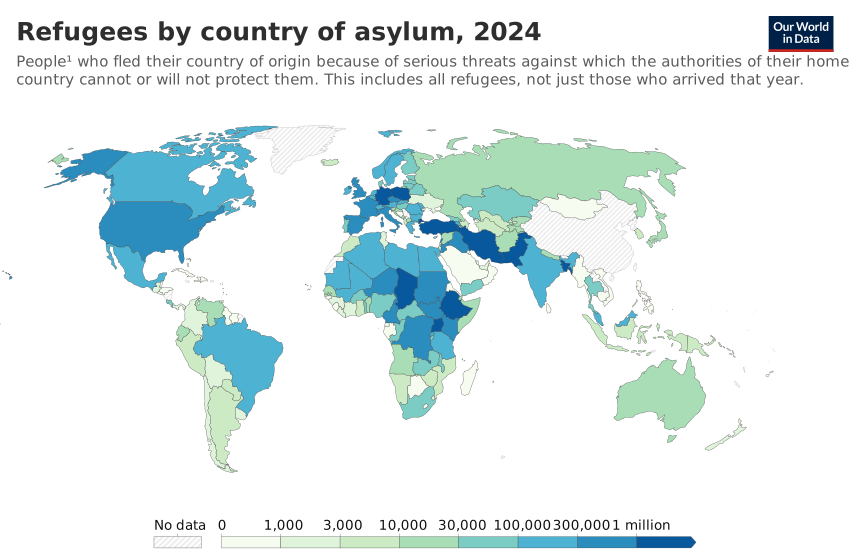
Political Asylum is a significant legal protection granted to individuals fleeing political persecution, developed significantly through international refugee law frameworks.

Political Parties are organized groups of individuals sharing similar political goals, forming a fundamental organizing structure of democratic political systems worldwide.
Political Polarization refers to increasing ideological division within societies, significantly increased in numerous democracies in recent decades.

Populism is a political approach emphasizing appeals to ordinary people, often positioning them against a perceived elite establishment, recurring throughout modern political history.
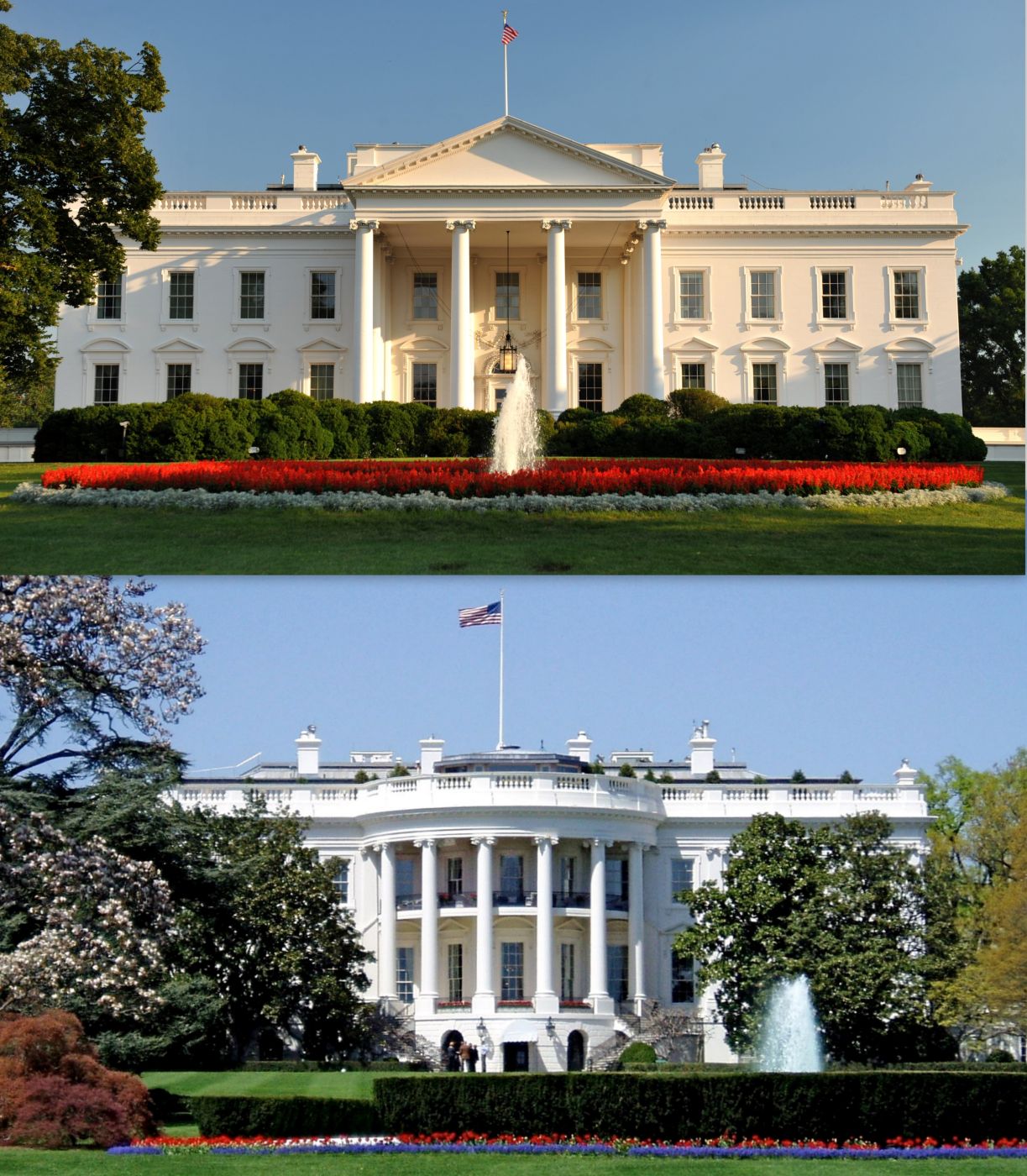
Presidential Systems are governmental structures featuring a separately elected executive with fixed terms independent from the legislature, developed significantly in the United States.

Queen Elizabeth II was the monarch of the United Kingdom and Commonwealth realms for over 70 years, becoming the longest-reigning monarch in British history.

Referendums are direct voting mechanisms allowing citizens to decide on specific political questions, practiced throughout modern democratic history across numerous countries.

The only U.S. president to resign from office, following the Watergate scandal, though also known for significant foreign policy achievements including opening relations with China

Ronald Reagan served as the 40th President of the United States from 1981 to 1989, pursuing conservative economic policies and playing a significant role in the final years of the Cold War.

President of Iraq known for authoritarian rule and significant military conflicts, ultimately removed from power following a 2003 invasion
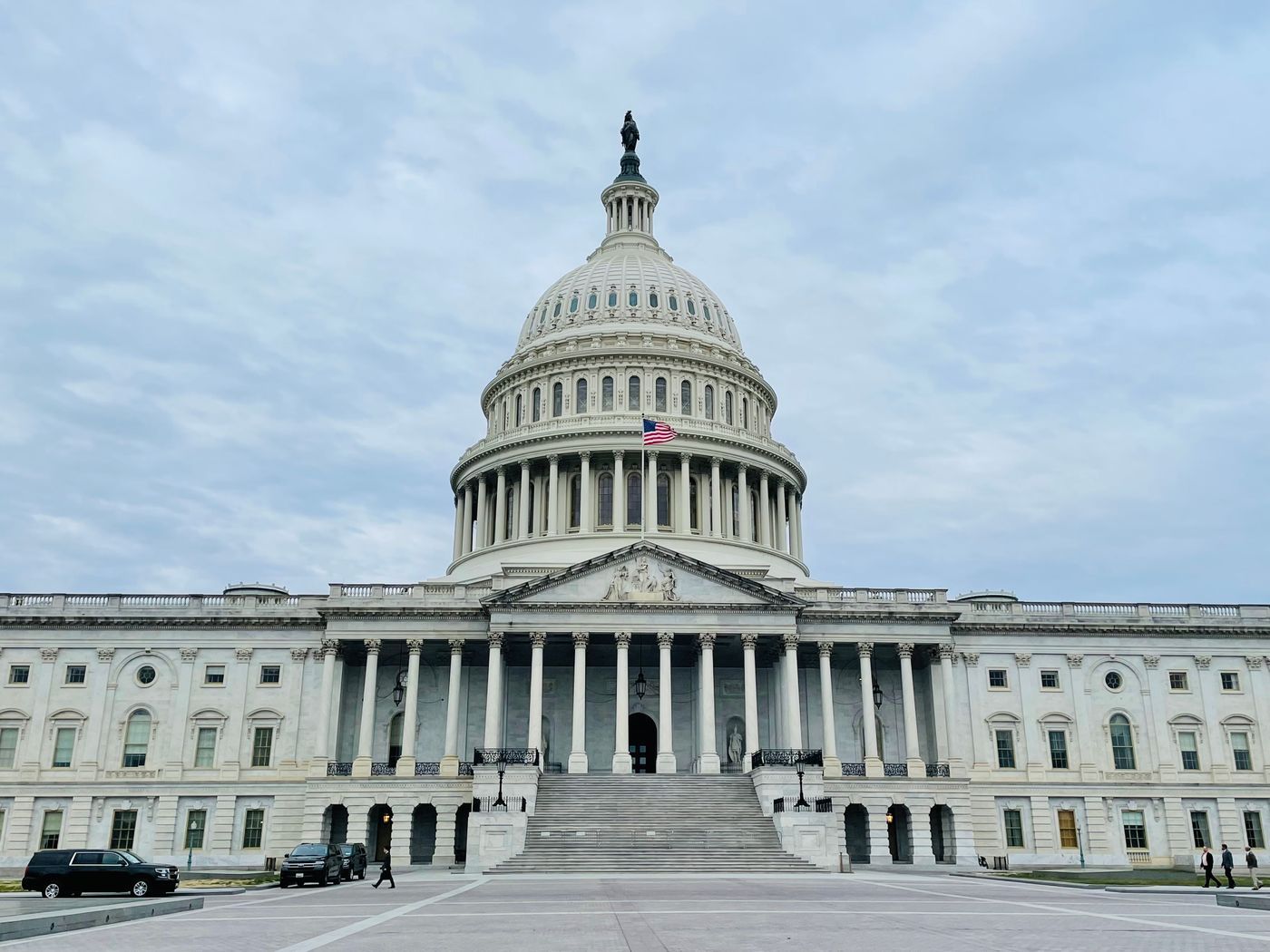
Separation of Powers is a governing principle dividing government authority among distinct branches, typically executive, legislative, and judicial, intended to prevent excessive concentration of power.

Simón Bolívar was a Venezuelan military and political leader who played a central role in liberating much of South America from Spanish colonial rule in the early 19th century.

Sovereignty is a political concept referring to the supreme authority of a state over its own territory and population, developing significantly following the Peace of Westphalia.
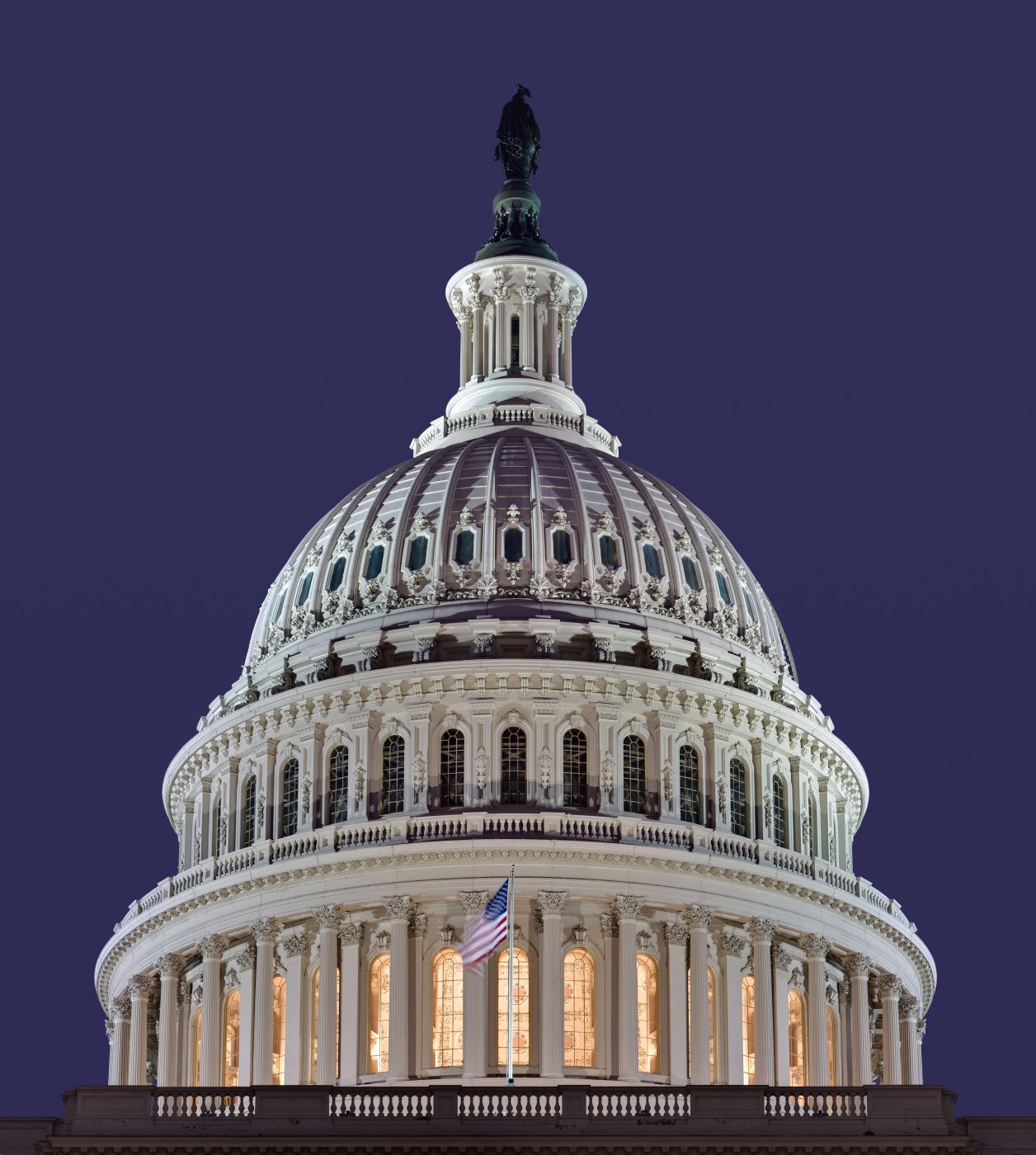
Term Limits are constitutional or legal restrictions limiting the number of terms an elected official may serve, practiced across numerous democratic systems worldwide.
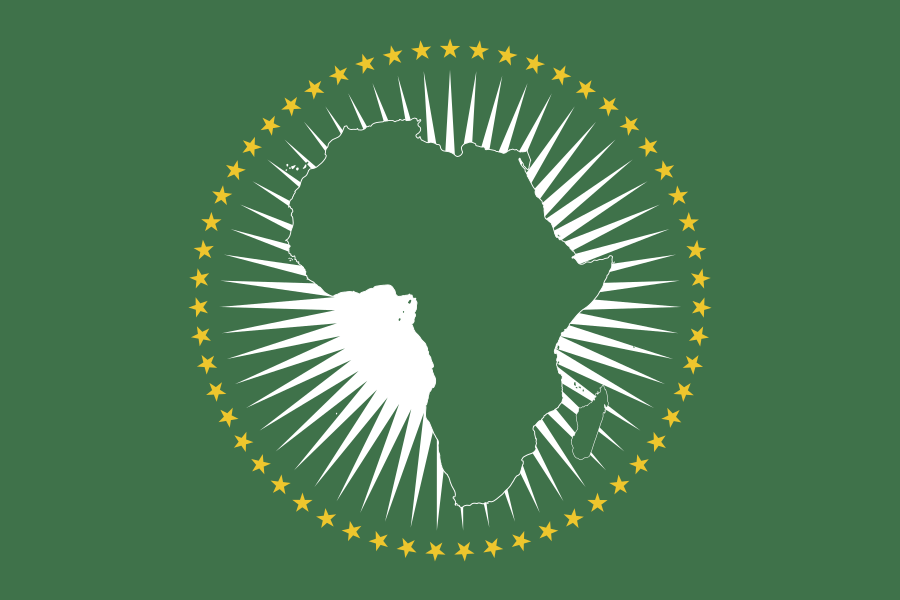
The African Union is a continental organization established in 2002, promoting political and economic cooperation among African nations and addressing continental challenges.
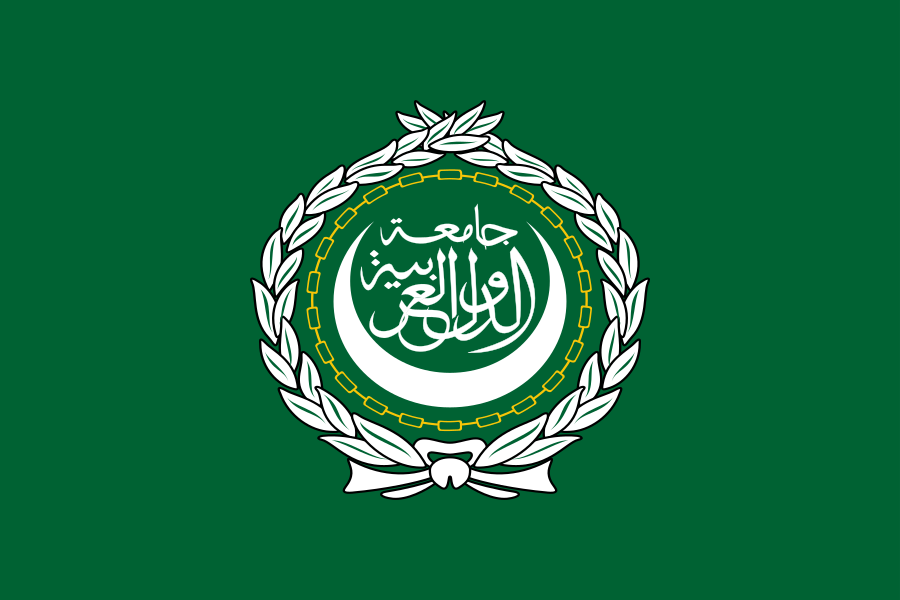
The Arab League is a regional organization established in 1945, promoting cooperation among Arab nations across political, economic, and cultural dimensions.

The Balfour Declaration was a significant British government statement issued in 1917, expressing support for establishing a Jewish homeland in Palestine.
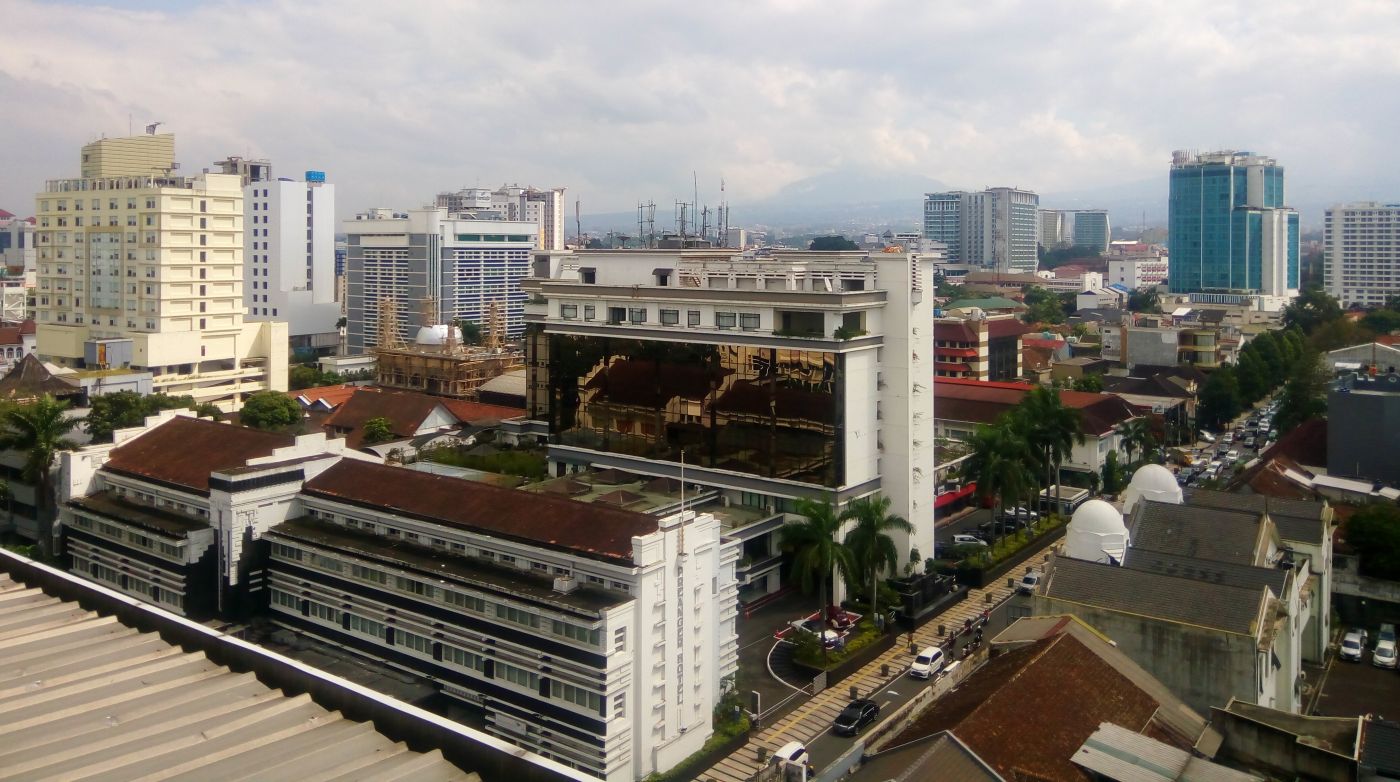
The Bandung Conference was a significant meeting of Asian and African nations held in April 1955, promoting cooperation among newly independent and decolonizing countries.

The Berlin Conference was an 1884-1885 meeting of European powers that formalized the partition of Africa among colonial nations, conducted without any African representation.

The Camp David Accords were a 1978 peace agreement between Israel and Egypt, brokered by U.S. President Jimmy Carter, representing a landmark diplomatic achievement in Middle East relations.

The Commonwealth of Nations is a political association of countries, most former British territories, formally established in 1949, promoting cooperation among member nations.
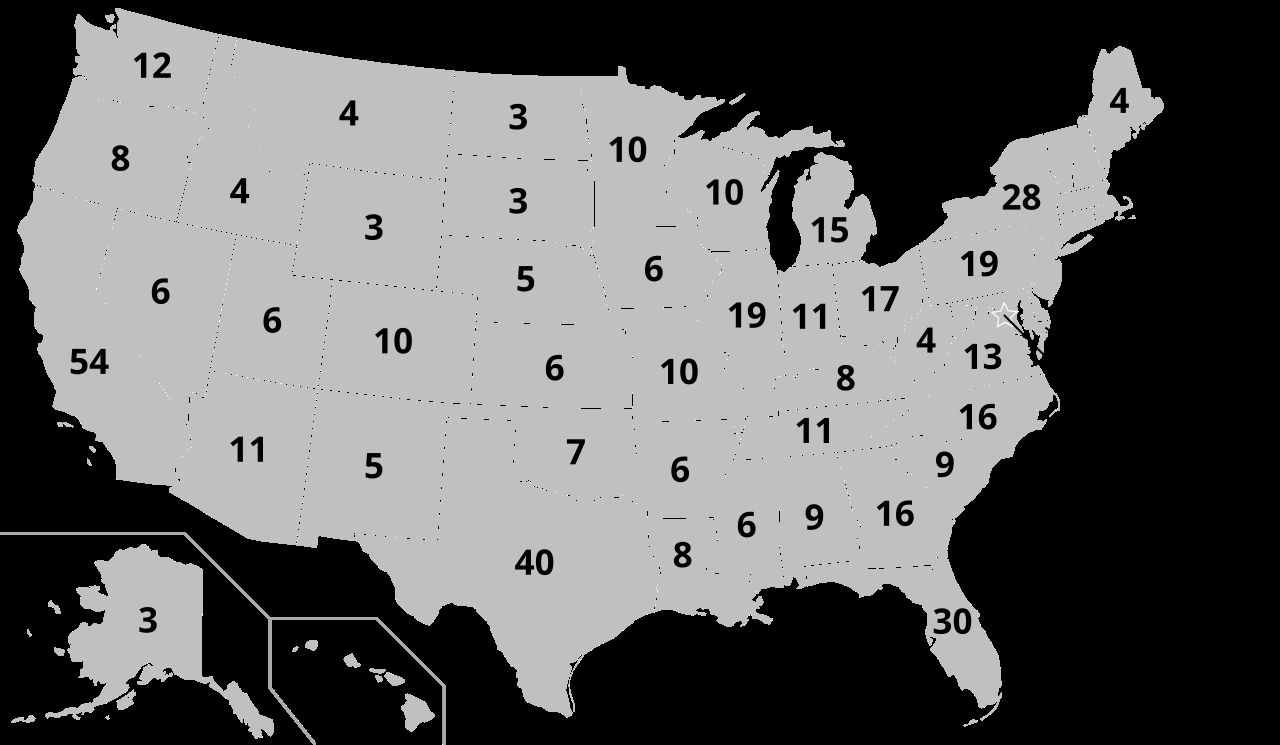
The Electoral College is the constitutional mechanism through which the United States formally elects its president, involving state-based electors rather than a direct national popular vote.
The European Union is a political and economic union of European countries established in 1993, promoting economic integration, free movement of people, and shared governance among member states.
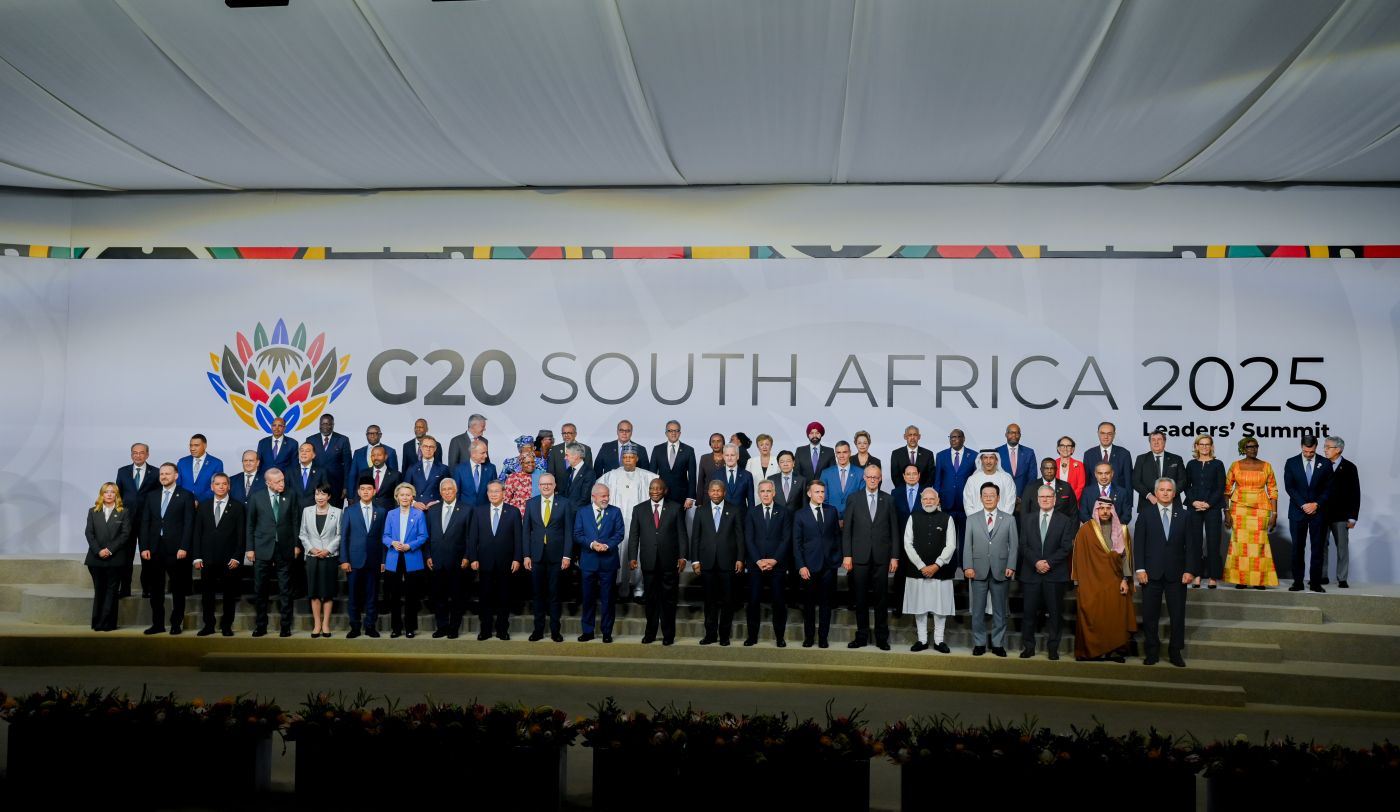
The G20 is an international forum established in 1999, bringing together major economies to coordinate global economic policy and address significant international challenges.