🏛 Politics & Government
Political systems, institutions, and governance

Supreme Allied Commander during World War II who later served two terms as U.S. president, overseeing significant infrastructure development and Cold War policy
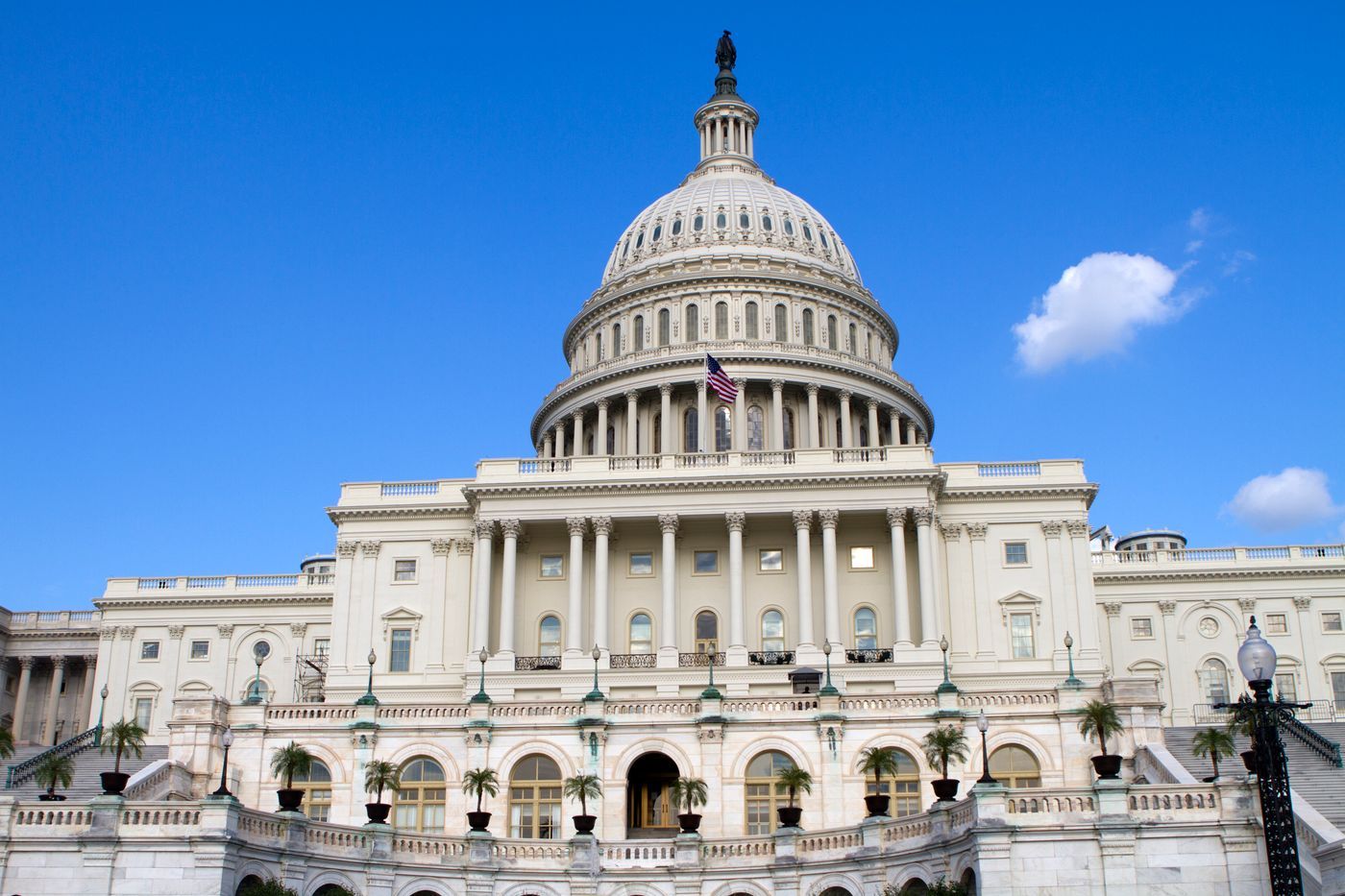
Economic Sanctions are restrictive economic measures imposed by countries or international bodies against a targeted nation, typically intended to influence political or military behavior without direct armed conflict.

Elections are formal processes by which citizens select their political representatives or leaders, forming a fundamental mechanism of democratic governance worldwide.

Fascism is a far-right authoritarian political ideology characterized by dictatorial power, extreme nationalism, and suppression of political opposition, most significantly implemented in Italy and Germany in the early 20th century.
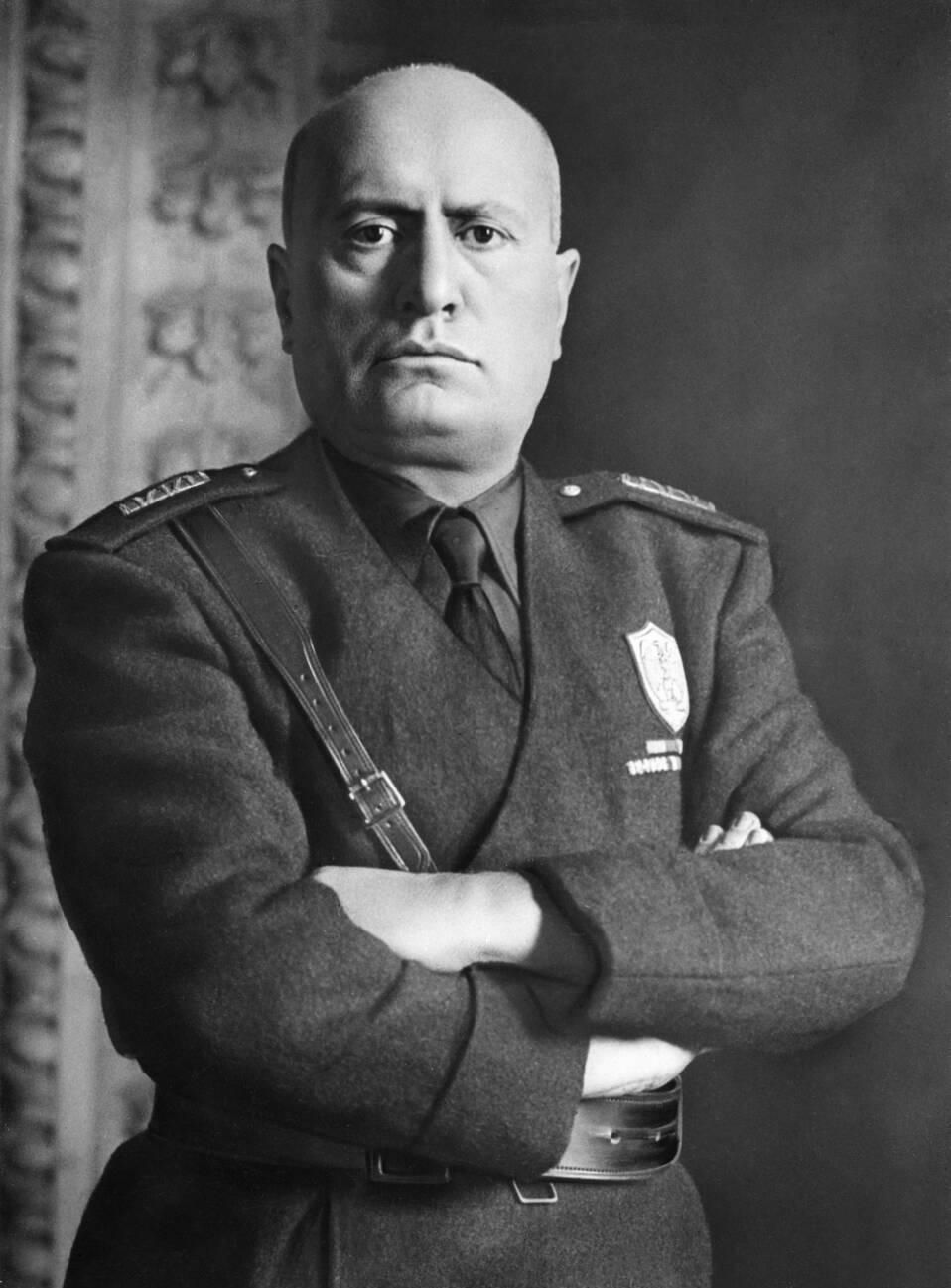
Fascism as a Political Movement refers to the specific historical development and spread of authoritarian nationalist ideology across early 20th-century Europe.
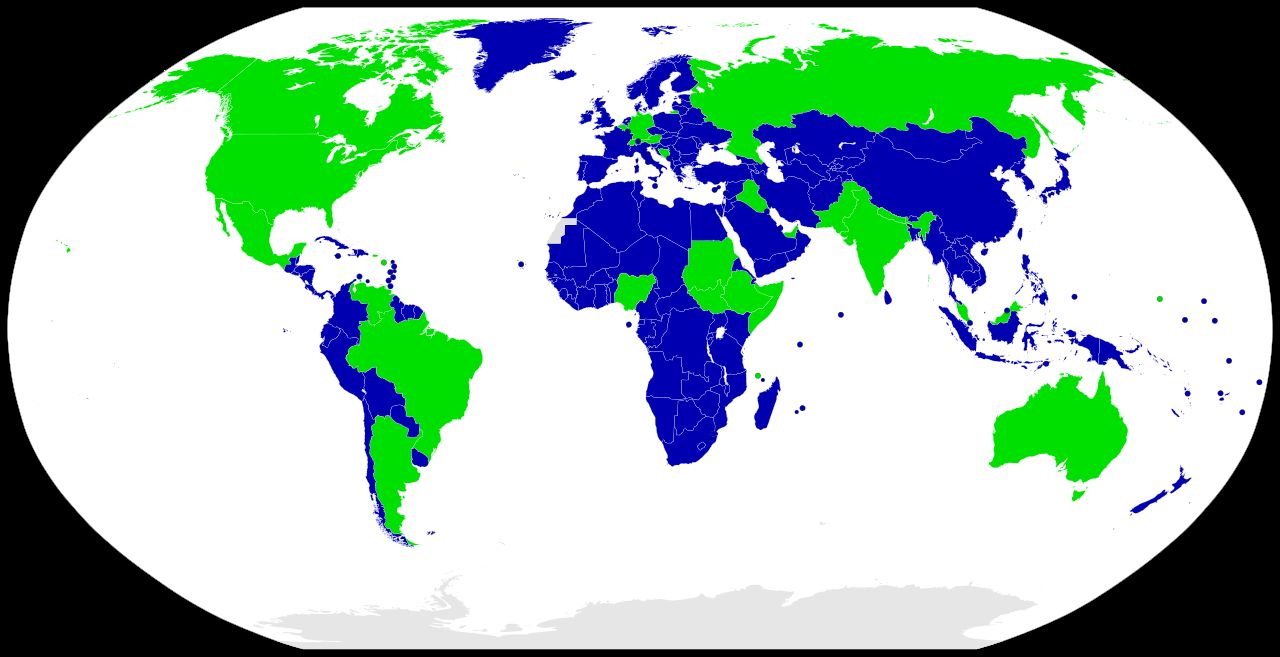
Federalism is a system of government in which power is divided between a central national authority and constituent political units such as states or provinces, balancing unity with regional autonomy.

Led the Cuban Revolution and subsequently ruled Cuba as a communist state for nearly five decades, becoming a central figure in Cold War geopolitics

A Filibuster is a legislative tactic used to delay or block a vote on proposed legislation, most notably associated with the United States Senate, requiring a supermajority to formally end debate.

Franklin D. Roosevelt was the 32nd President of the United States, serving an unprecedented four terms and leading the country through the Great Depression and most of World War II.

Led the United States response to the September 11 attacks, launching the War on Terror including the invasions of Afghanistan and Iraq

George Washington was the first President of the United States and commander of the Continental Army during the American Revolutionary War, often called the 'Father of His Country.'
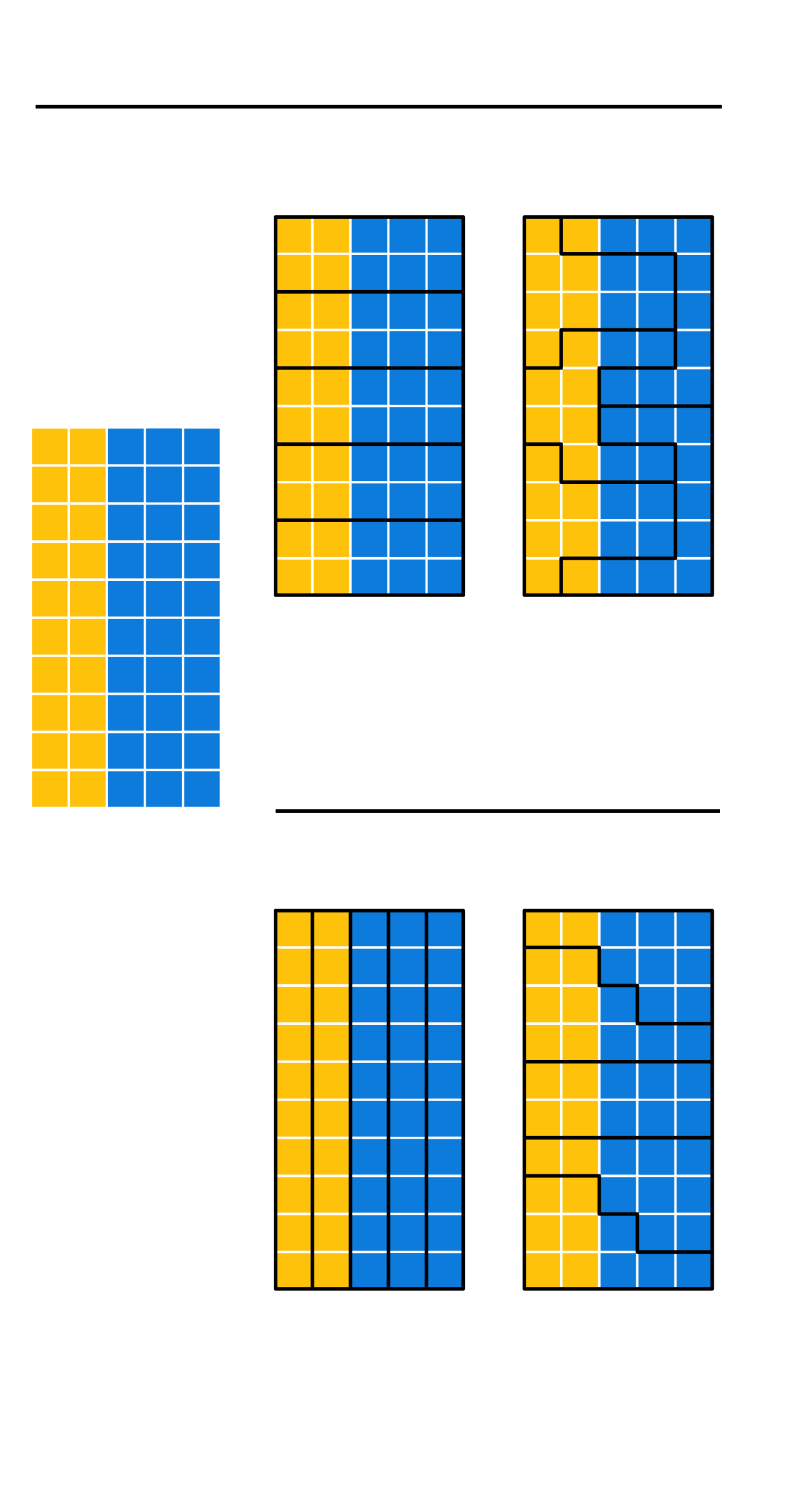
Gerrymandering refers to the manipulation of electoral district boundaries to favor a particular political party, a practice that has significantly influenced representative democracy since the early 19th century.

Israel's first and only female Prime Minister, who led the country during the challenging 1973 Yom Kippur War

Became president upon Franklin Roosevelt's death and made the decision to use atomic weapons against Japan, later overseeing the early Cold War policies of containment

Chancellor of Germany who oversaw German reunification following the fall of the Berlin Wall, playing a significant role in European integration

President of Venezuela known for his socialist policies and significant influence on Latin American politics, remaining a highly polarizing political figure

Impeachment is a formal process for charging a government official with wrongdoing, potentially leading to removal from office, serving as a significant check on executive power in many democratic systems.

Indira Gandhi served as Prime Minister of India for a combined total of over 15 years, becoming the country's first and, to date, only female head of government, and one of the most powerful and controversial leaders in modern Indian history.
Interpol is an international organization established in 1923, facilitating international police cooperation and coordination across member countries worldwide.

The fourth President of the United States, widely regarded as the primary architect of the U.S. Constitution and a significant Founding Father

India's first Prime Minister, who led the country through its early years of independence and helped establish its foundational democratic institutions

A one-term president known for the Camp David Accords peace agreement and later decades of humanitarian work through the Carter Center, earning the Nobel Peace Prize

The forty-sixth President of the United States, bringing decades of prior political experience including significant time as Vice President

The second President of the United States and a significant Founding Father, playing a crucial role in American independence and early constitutional government