🏛 Politics & Government
Political systems, institutions, and governance

John F. Kennedy served as the 35th President of the United States from 1961 until his assassination in 1963, navigating the Cuban Missile Crisis and launching the American effort to land astronauts on the Moon.
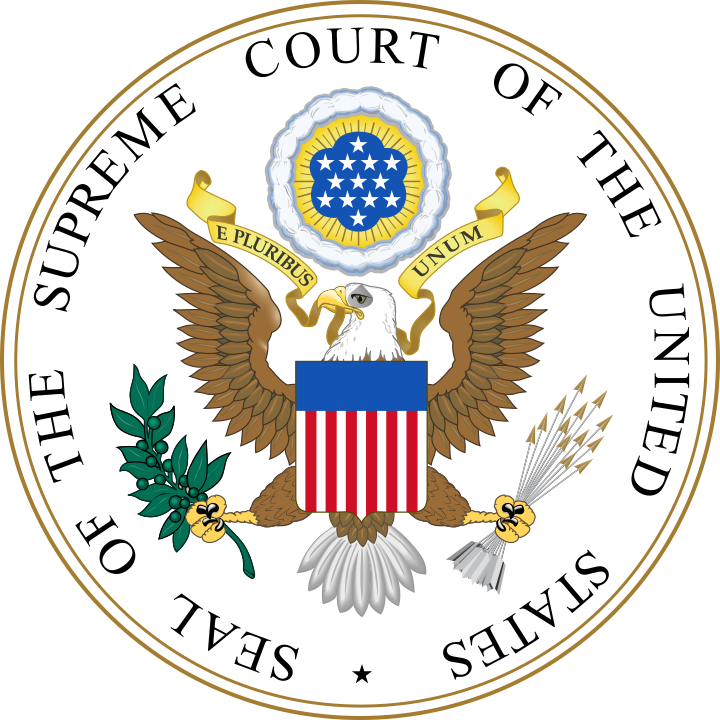
Judicial Independence is a political and legal principle ensuring courts can make decisions free from political interference, developed significantly as a constitutional principle over recent centuries.

Judicial Review is the power of courts to examine and potentially invalidate laws or government actions found to violate a country's constitution, serving as a significant check on legislative and executive power.

Prime Minister of Canada known for significant progressive social policies and a notable political lineage as the son of a former prime minister

Vice President of the United States, becoming the first woman and first person of South Asian and Black descent to hold the office

Supreme Leader of North Korea, continuing a family political dynasty and maintaining significant authoritarian control over the isolated nation

The first Prime Minister and President of Ghana, a significant leader in African independence movements and pan-African political unity
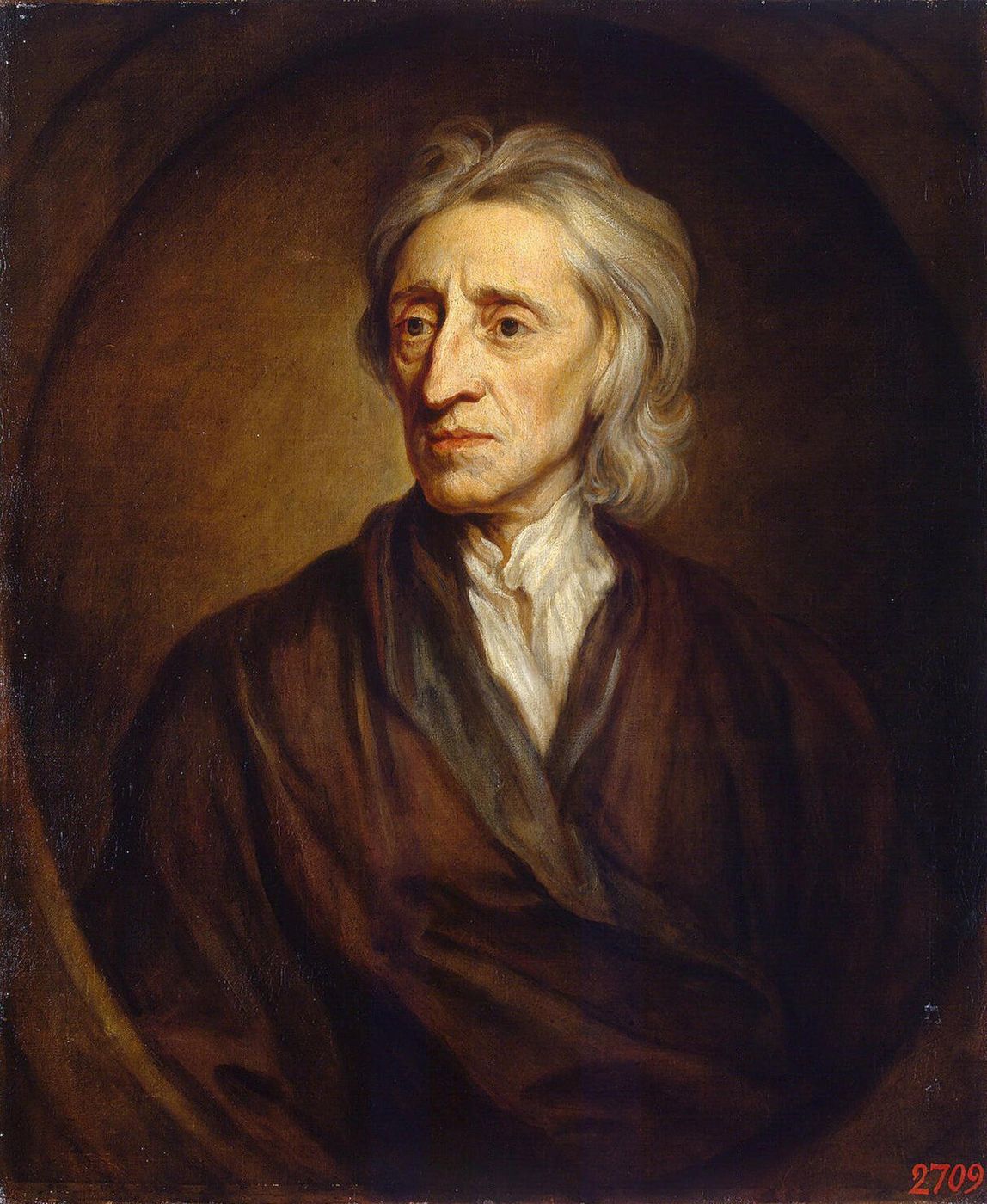
Liberalism is a political ideology emphasizing individual rights, liberty, and limited government, developing significantly during the Enlightenment era.

Lobbying refers to the practice of attempting to influence government officials or legislation on behalf of a particular interest, forming a significant and often controversial feature of modern democratic governance.

The thirty-sixth President of the United States, significantly advancing civil rights legislation while overseeing substantial escalation of the Vietnam War

Mao Zedong was a Chinese revolutionary and statesman who led the Communist Party to victory in the Chinese Civil War and founded the People's Republic of China in 1949, ruling until his death in 1976.

Margaret Thatcher was a British politician who served as Prime Minister from 1979 to 1990, becoming the first woman to hold the office and one of the most influential and polarizing leaders in modern British history.

Martin Luther King Jr. was an American Baptist minister and civil rights leader who became the most prominent figure in the American civil rights movement of the 1950s and 1960s, advocating nonviolent resistance to racial injustice.

Mikhail Gorbachev was the last leader of the Soviet Union, whose reform policies of glasnost (openness) and perestroika (restructuring) helped end the Cold War and ultimately led to the dissolution of the USSR.
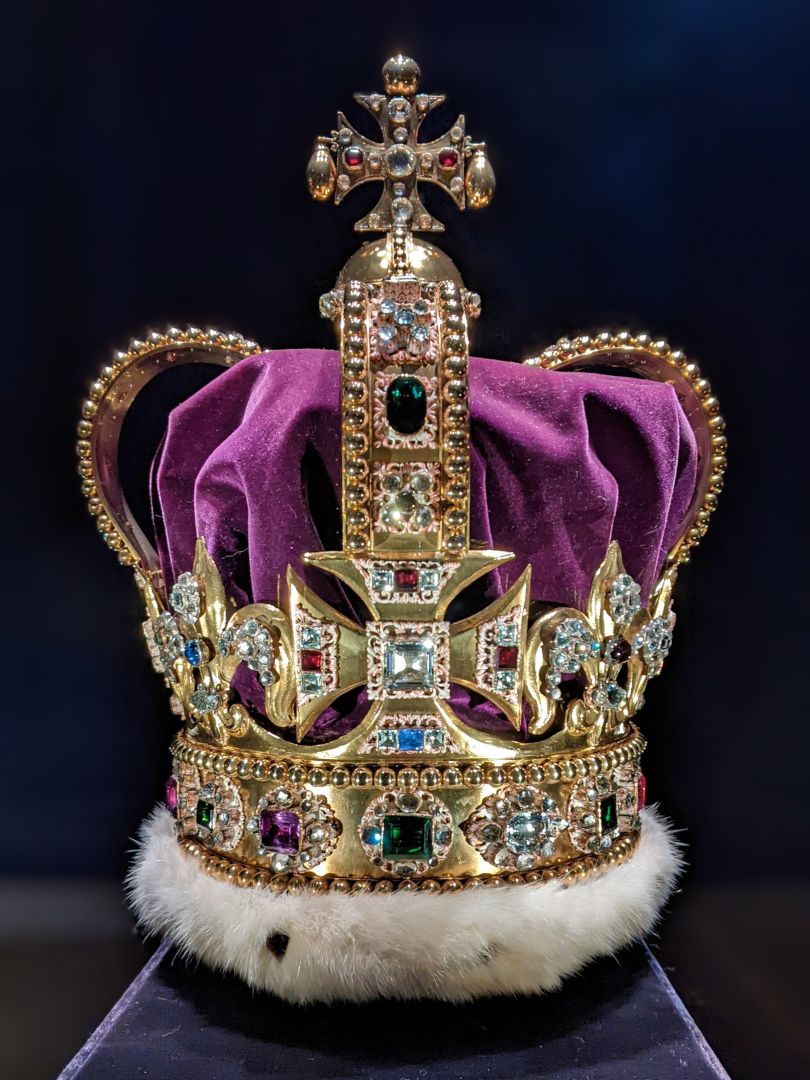
Monarchy is a form of government in which a single individual, typically inheriting the position, serves as head of state, representing one of the oldest and historically most common forms of governance.

Leader of Libya for over four decades, known for authoritarian rule and significant, often unpredictable involvement in international affairs
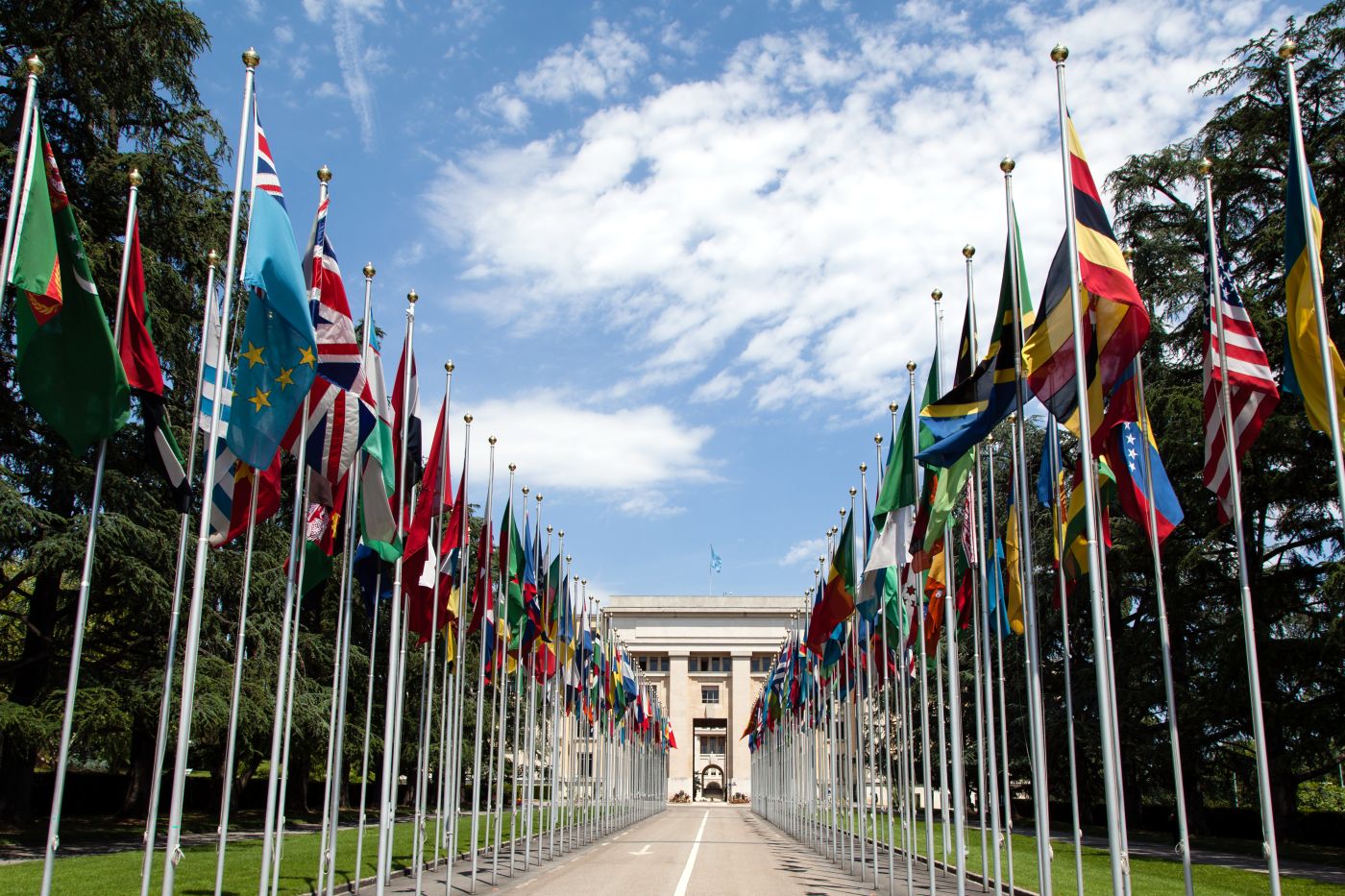
Nationalism is a political ideology emphasizing loyalty and devotion to one's nation, significantly shaping global politics since its development as a major political force in the 18th and 19th centuries.
NATO, the North Atlantic Treaty Organization, is a military alliance founded in 1949 among North American and European countries, serving as a central institution of Western collective security.

Nelson Mandela was a South African anti-apartheid revolutionary who spent 27 years in prison before becoming the country's first Black president, leading South Africa's transition from apartheid to democracy.
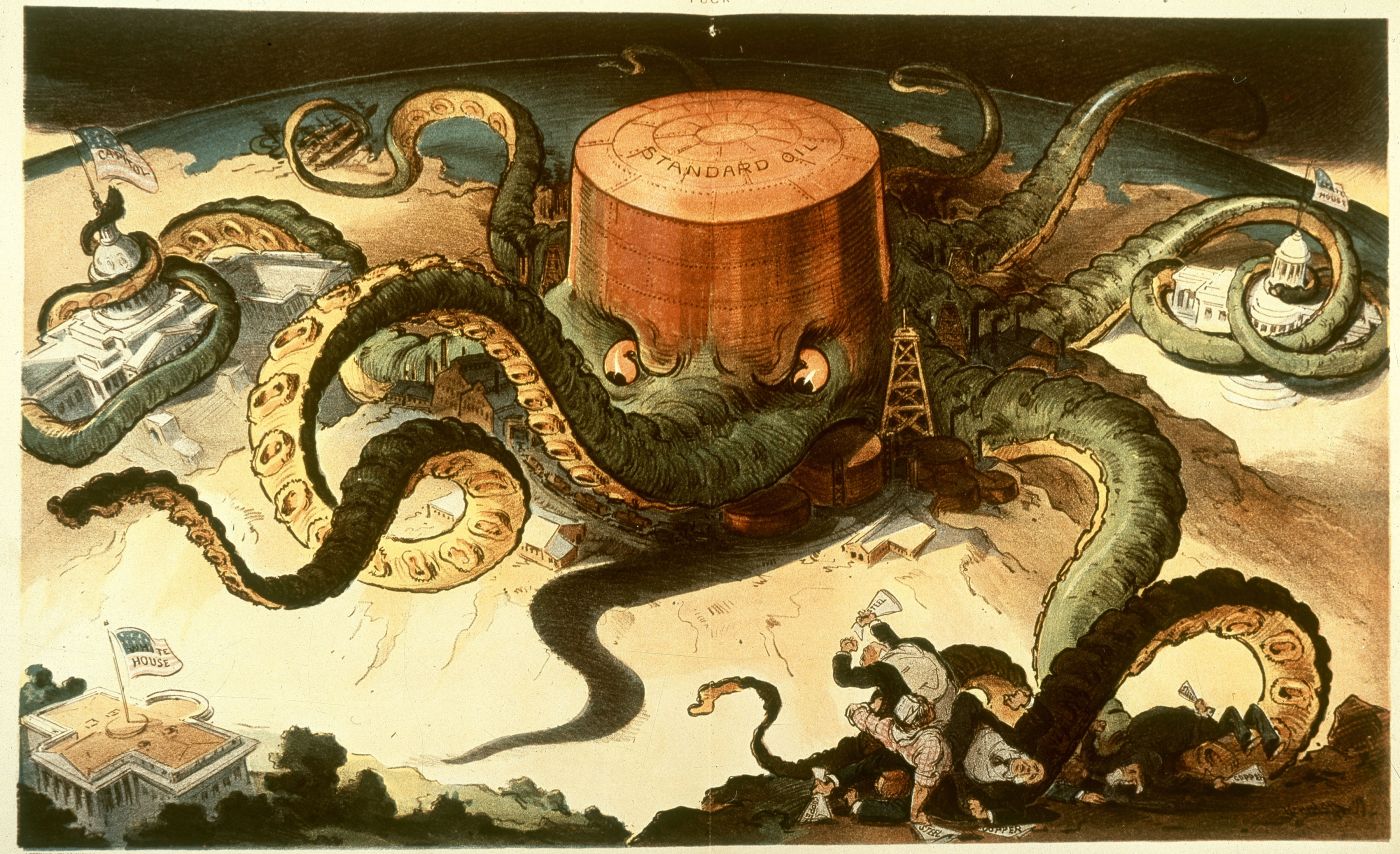
Oligarchy is a system of governance in which political power is concentrated among a small group of individuals, practiced throughout history across numerous societies.
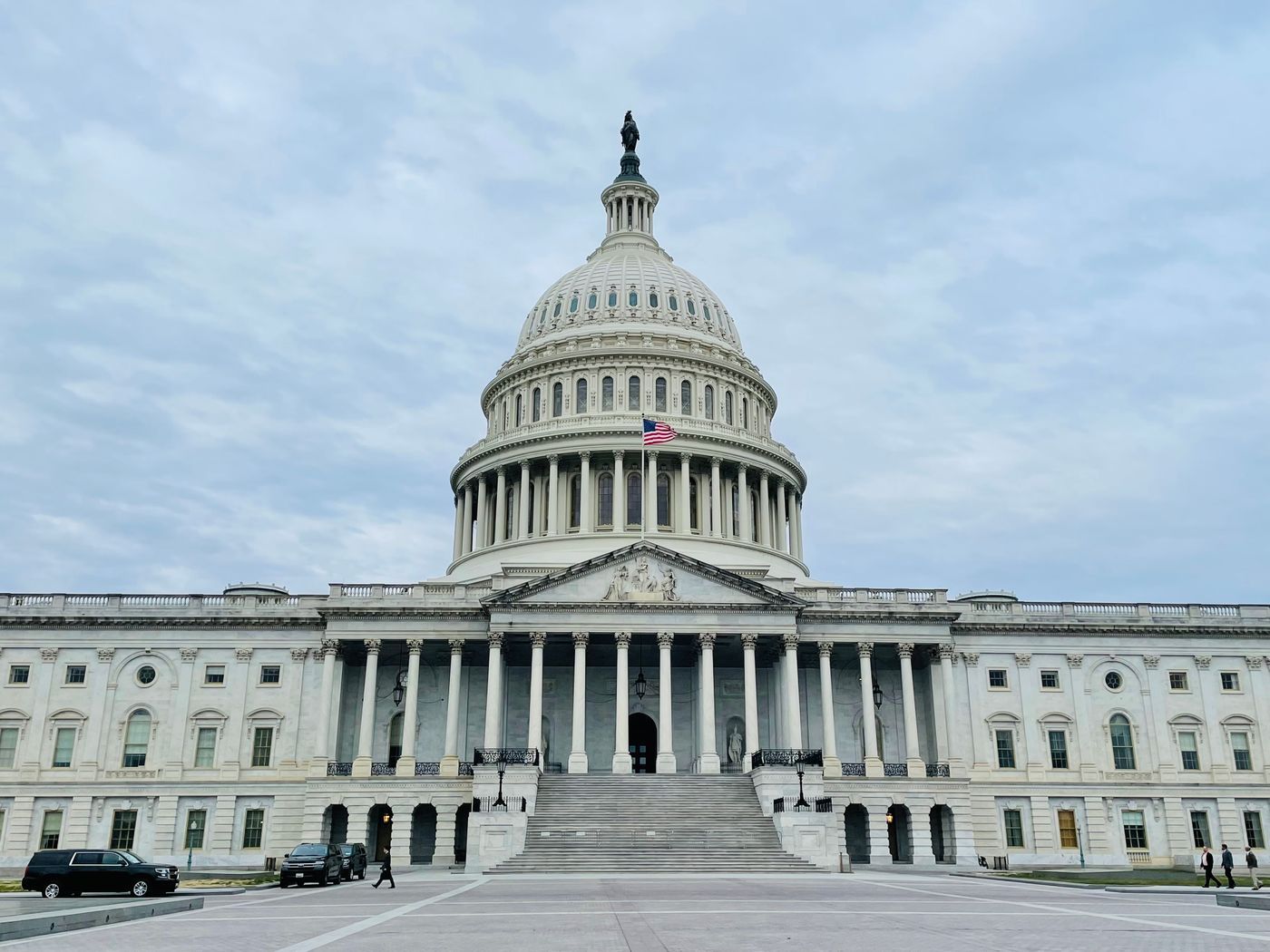
The One Big Beautiful Bill Act is a major piece of U.S. federal legislation signed into law in July 2025, encompassing significant tax and spending policy changes.

Otto von Bismarck was a Prussian and German statesman who engineered the unification of Germany in 1871 and served as its first Chancellor, shaping European politics for decades through his strategic diplomacy.
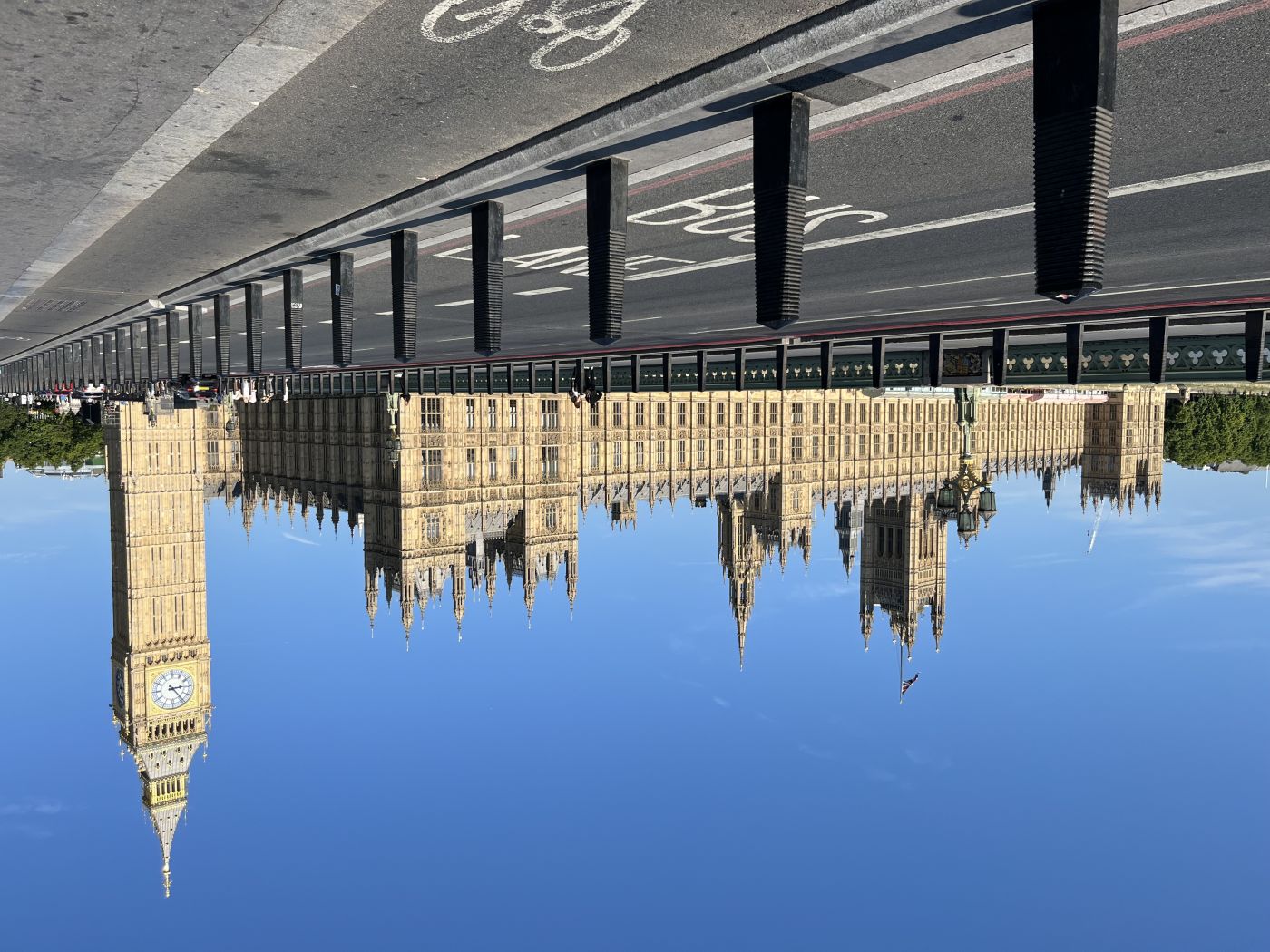
Parliamentary Systems are governmental structures in which executive authority derives from and is accountable to a legislative body, developed significantly in Britain and subsequently adopted worldwide.

Leader of the Khmer Rouge regime in Cambodia, responsible for a devastating genocide resulting in the deaths of a significant portion of the Cambodian population