🏛 Politics & Government
Political systems, institutions, and governance
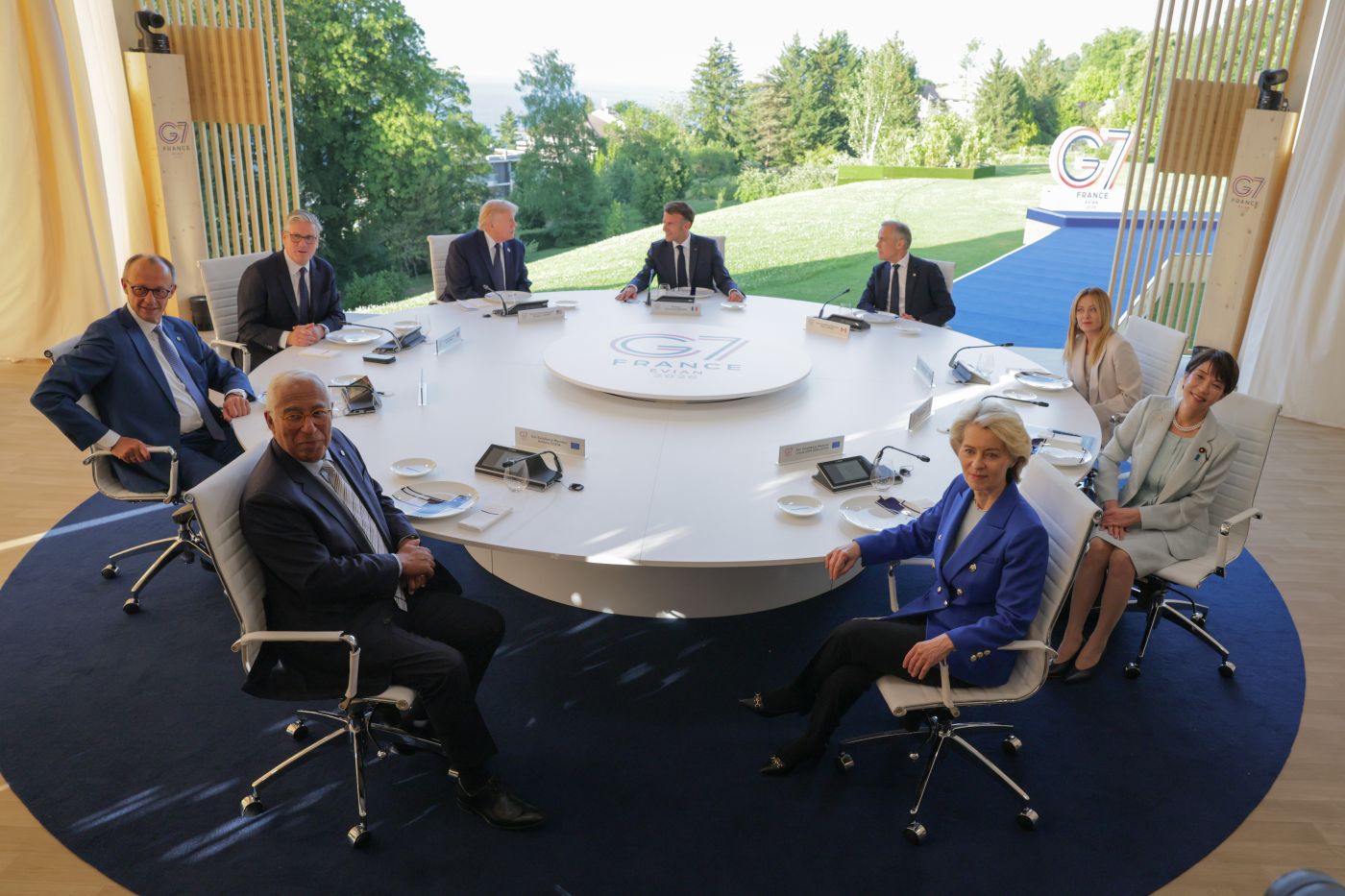
The G7 is an informal group of significant advanced economies established in the 1970s, coordinating economic and political policy among member nations.

The Geneva Conventions are a series of international treaties establishing standards for humanitarian treatment during war, forming a foundational framework of international humanitarian law.
The Good Friday Agreement was a 1998 peace agreement largely ending decades of sectarian conflict in Northern Ireland, establishing a framework for power-sharing governance.
The Helsinki Accords were a significant diplomatic agreement signed in 1975, addressing security, economic cooperation, and human rights issues between Cold War rivals.

The International Criminal Court is a significant international judicial institution established in 2002, prosecuting individuals for serious international crimes including genocide and war crimes.
The International Monetary Fund is an international financial institution established in 1944 to promote global monetary cooperation and provide financial assistance to countries experiencing economic crises.

The Iran-Contra Affair was a significant political scandal occurring primarily during the mid-1980s, involving secret American arms sales and controversial foreign policy operations.

The Monroe Doctrine was an early 19th-century American foreign policy position opposing European colonial intervention in the Americas, significantly shaping subsequent U.S. foreign policy for nearly two centuries.
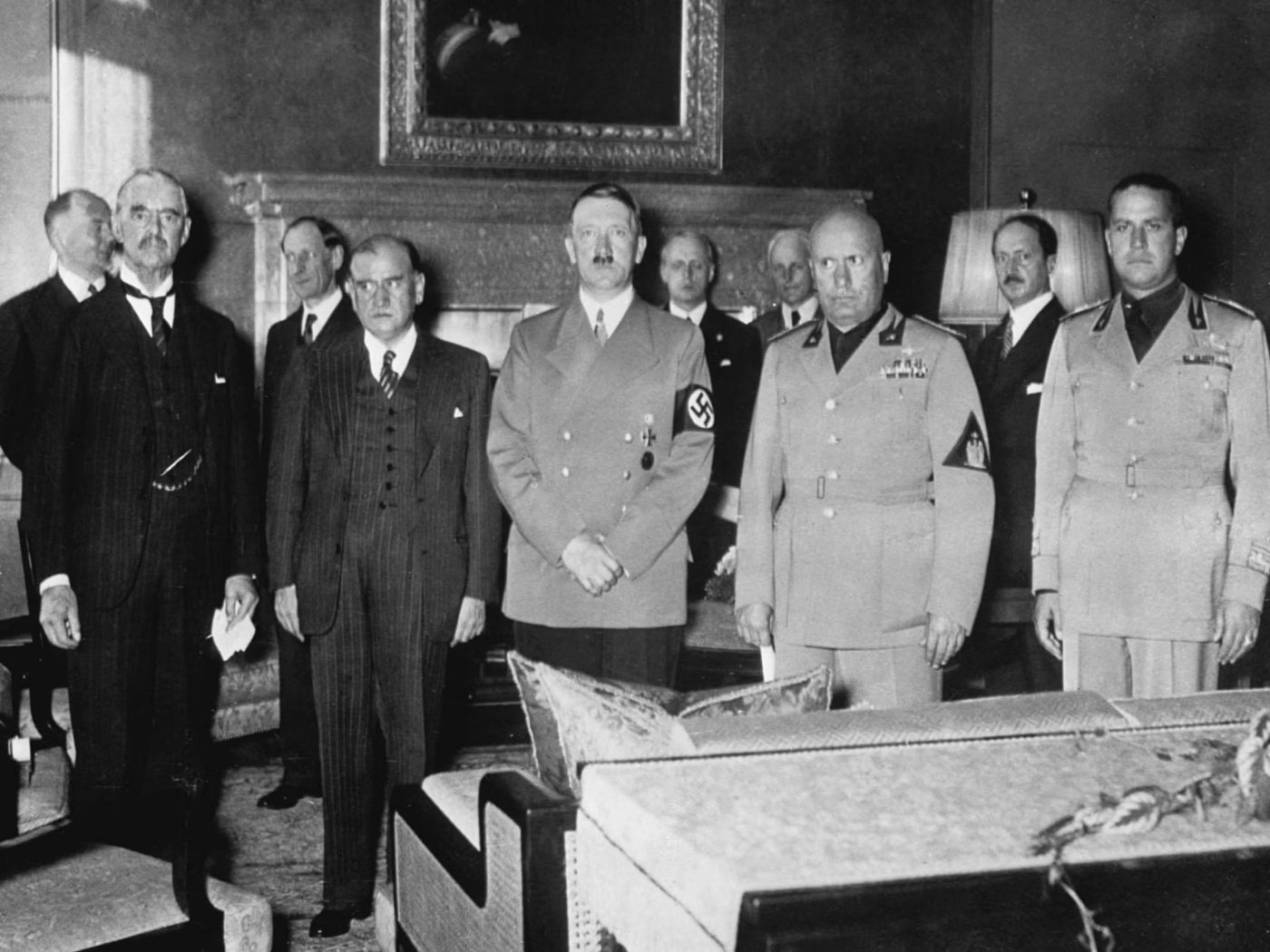
The Munich Agreement was a 1938 diplomatic agreement allowing Nazi Germany to annex part of Czechoslovakia, widely regarded as a failed attempt at appeasement that preceded World War II.
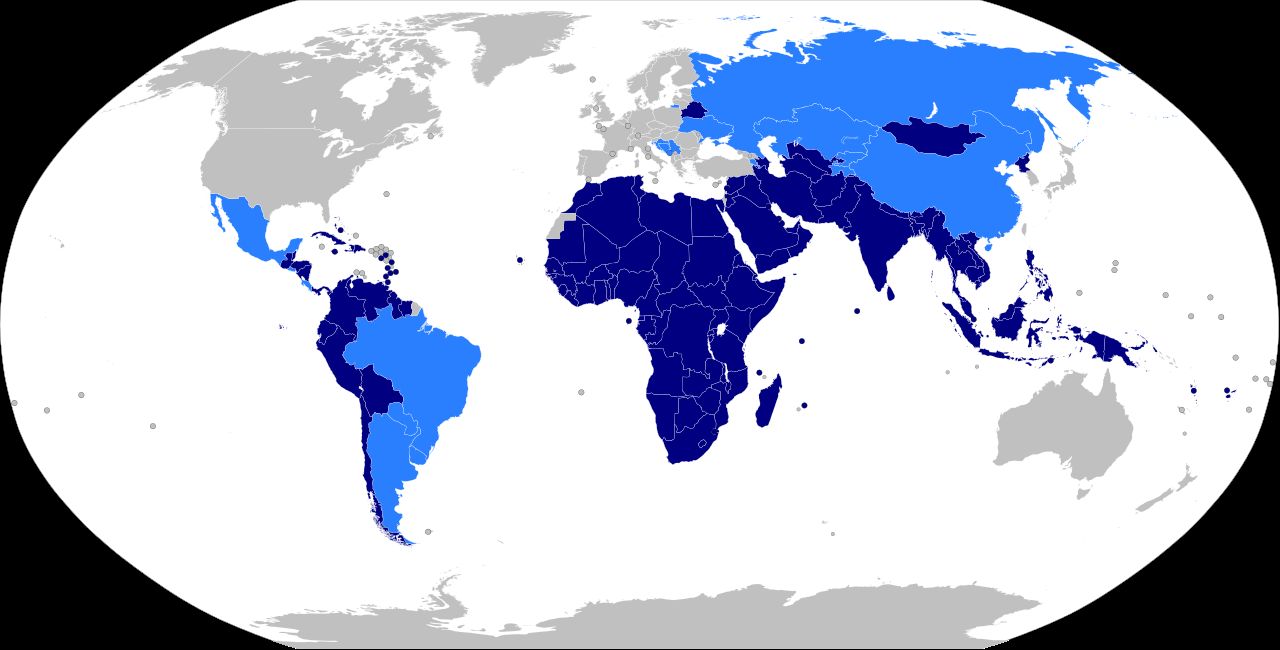
The Non-Aligned Movement is an international organization of states formally established in 1961 that declined to formally align with either the United States or Soviet Union during the Cold War.
The Nuremberg Trials were a series of military tribunals held after World War II prosecuting prominent Nazi officials for war crimes, establishing significant precedents in international law.
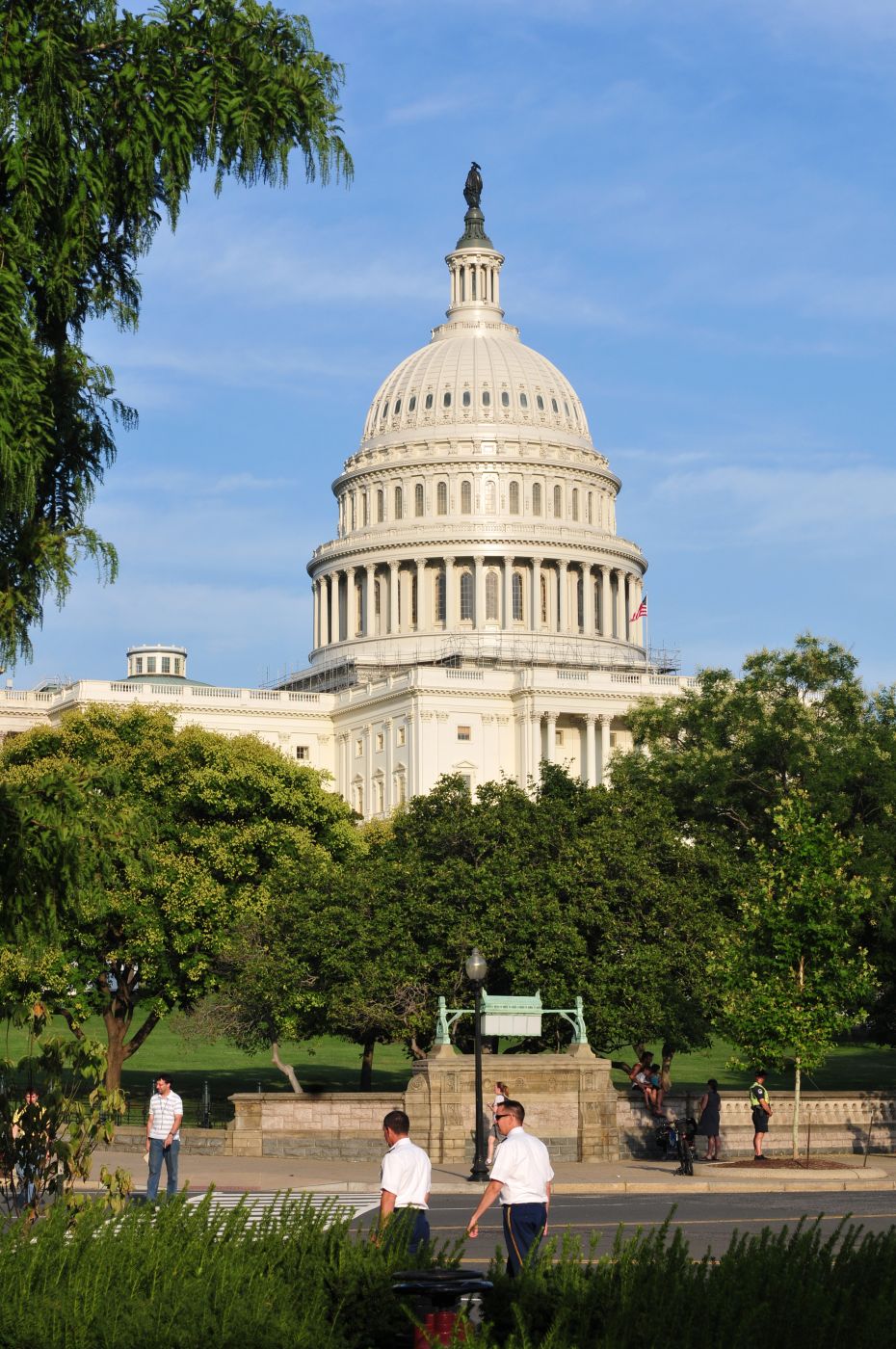
The Organization of American States is a regional organization established in 1948, promoting cooperation among countries throughout the Americas.

The Peace of Westphalia was a series of 1648 treaties ending decades of European religious warfare, establishing foundational principles of modern national sovereignty still influential today.

The Potsdam Conference was a significant meeting of Allied leaders held in July and August 1945, addressing post-World War II European reorganization and occupation policies.
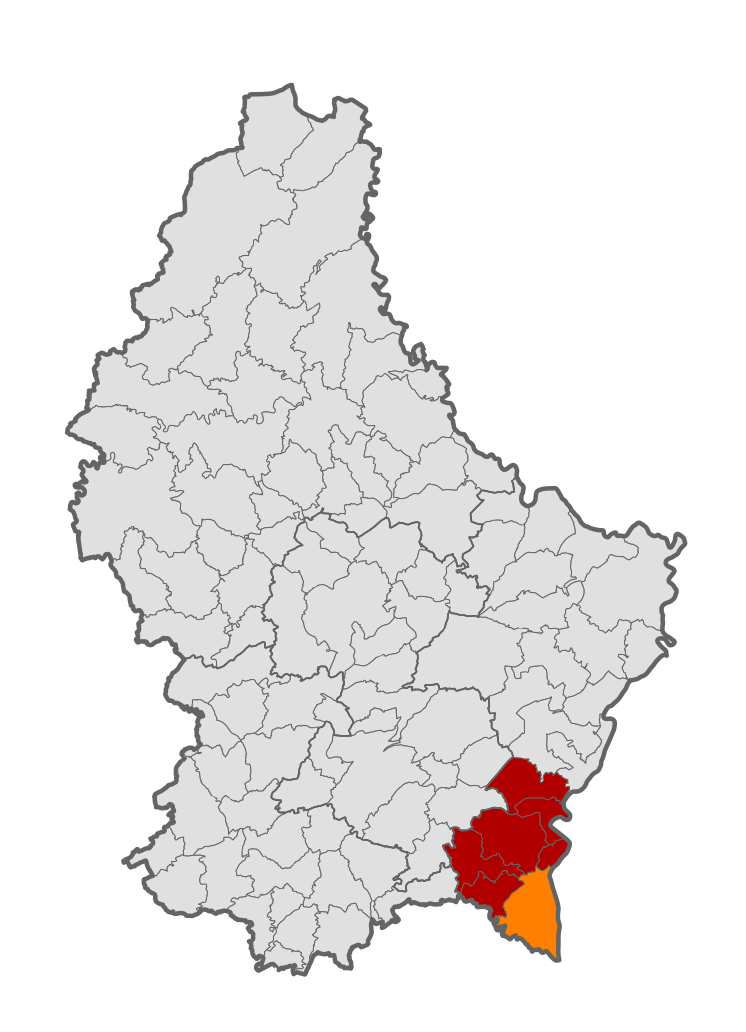
The Schengen Area is a zone comprising numerous European countries established in 1985, allowing free movement across internal borders without routine passport checks.

The Sykes-Picot Agreement was a secret diplomatic agreement negotiated in 1916 between Britain and France, outlining proposed post-war division of Ottoman territories in the Middle East.
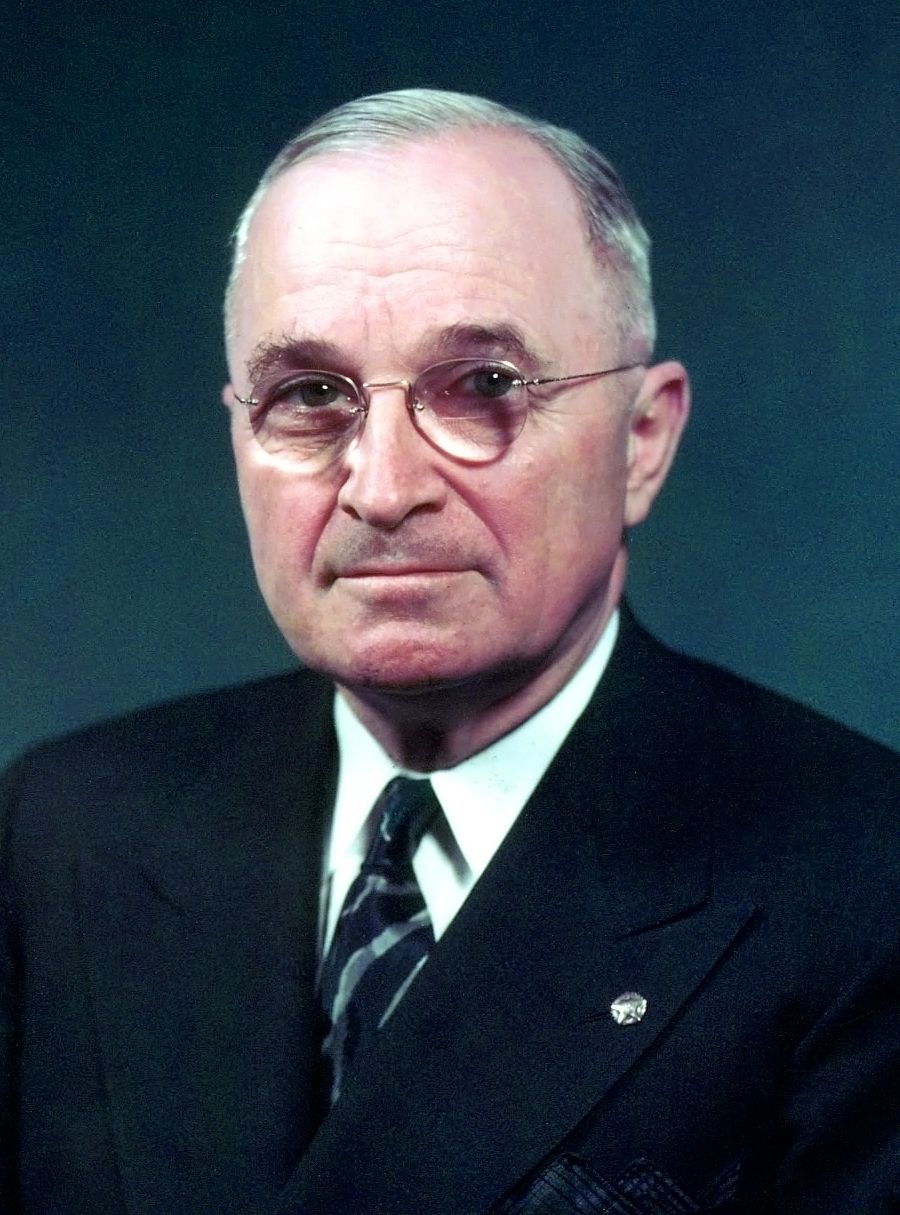
The Truman Doctrine was a 1947 U.S. foreign policy declaration committing American support to countries resisting communist expansion, establishing a foundational strategy of Cold War containment.
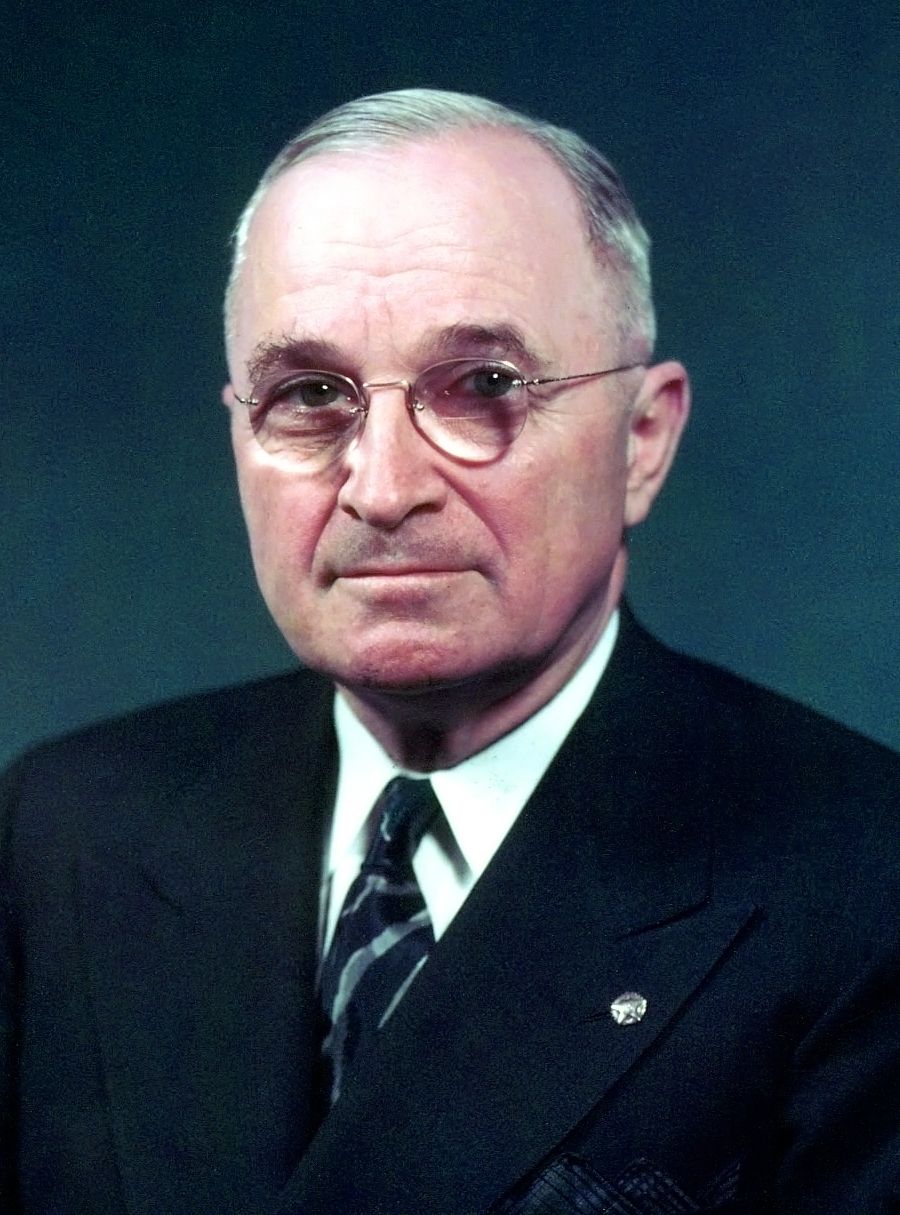
The Truman Doctrine's Origins refers to the specific historical circumstances and reasoning behind the significant 1947 American foreign policy announcement.
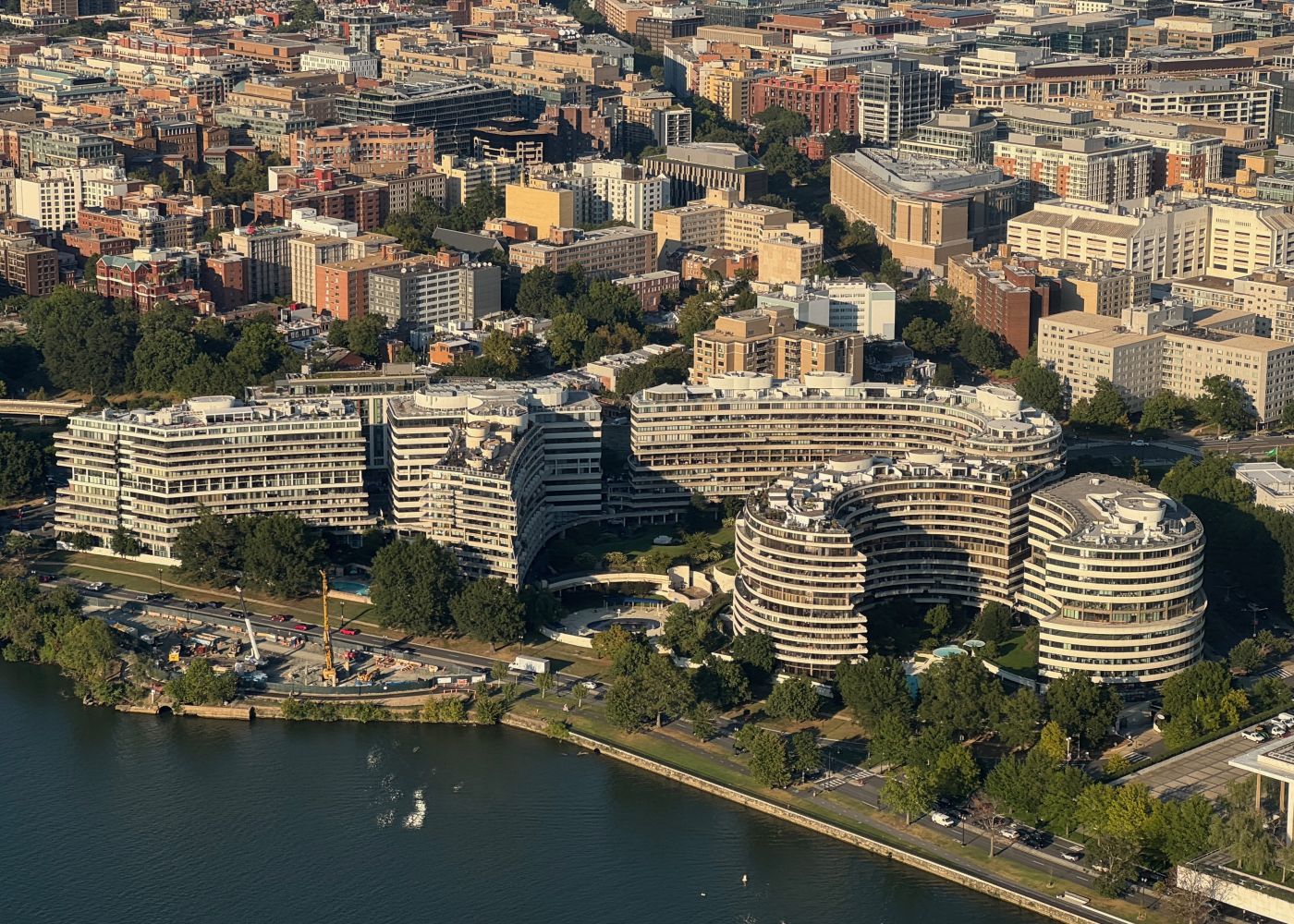
The Watergate Scandal was a significant American political scandal occurring primarily from 1972 to 1974, ultimately leading to President Richard Nixon's resignation.

The World Bank is an international financial institution established in 1944 providing loans and grants to developing countries for development and poverty reduction projects.
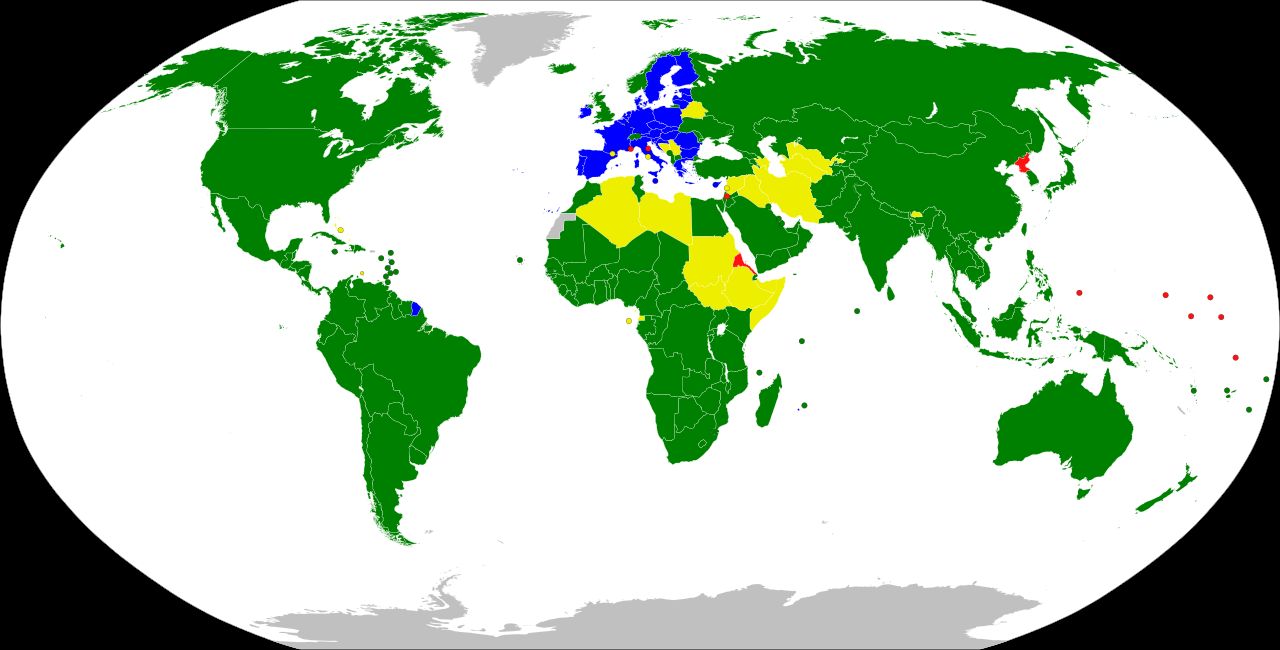
The World Trade Organization is an international body established in 1995 to regulate and facilitate international trade, resolving trade disputes between member nations.

The Yalta Conference was a 1945 meeting among Allied leaders Franklin Roosevelt, Winston Churchill, and Joseph Stalin, shaping the postwar political order and setting the stage for the Cold War.
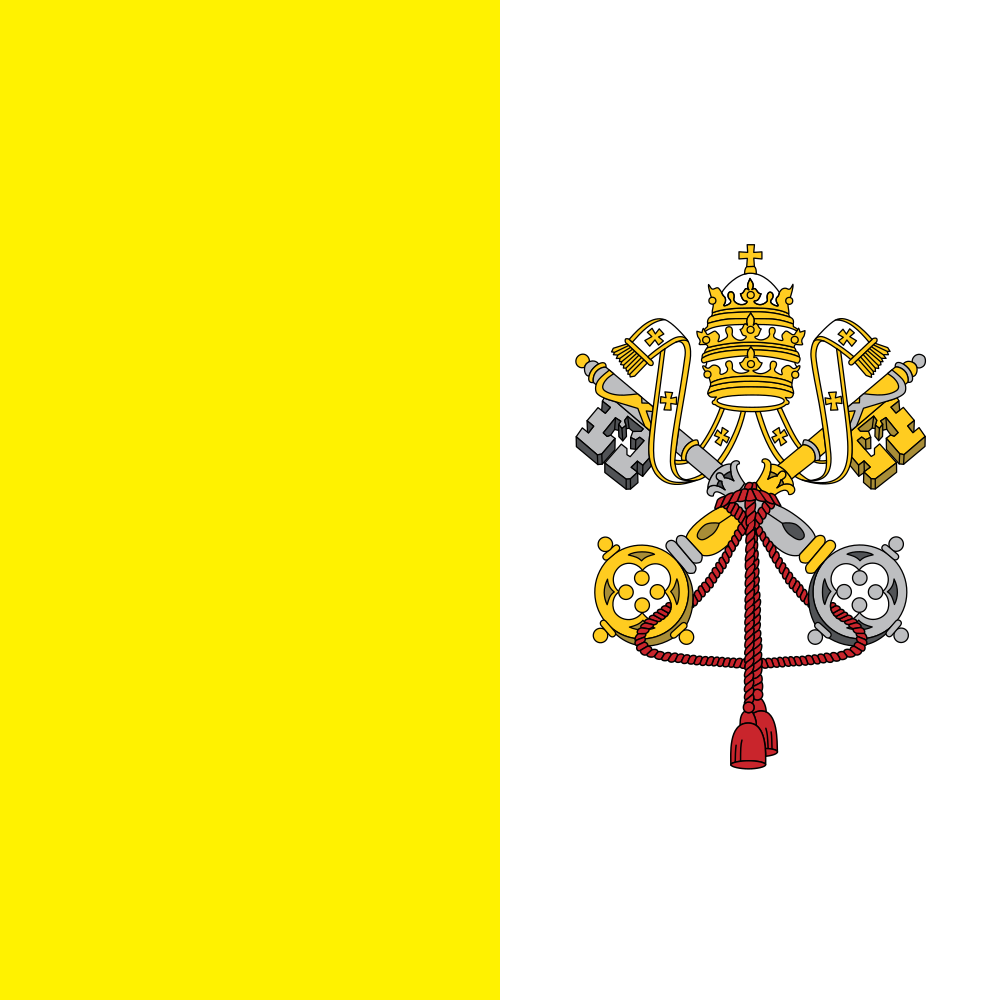
Theocracy is a system of government in which religious leaders or religious law forms the basis of political authority, practiced across numerous historical and contemporary societies.

Known for progressive domestic reforms, conservation efforts establishing the national park system, and an assertive foreign policy summarized as "speak softly and carry a big stick"