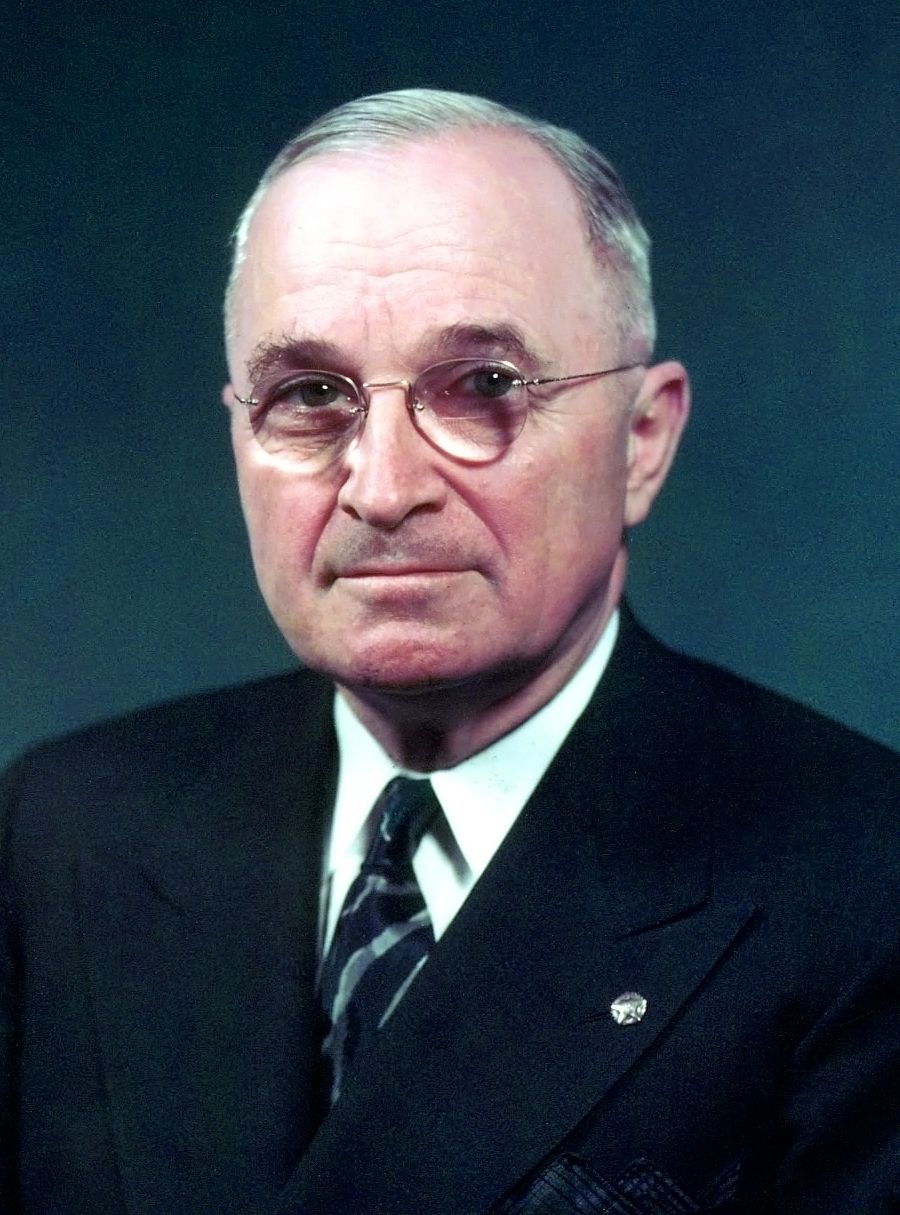
The Truman Doctrine
The Truman Doctrine was a 1947 U.S. foreign policy declaration committing American support to countries resisting communist expansion, establishing a foundational strategy of Cold War containment.
Announced in response to specific crises in Greece and Turkey, this doctrine committed the United States to a global strategy of resisting communist expansion that would shape American foreign policy for decades to come.
A Response to Specific Crises
The doctrine was announced by President Harry Truman in 1947, initially in response to specific concerns about communist pressure on Greece and Turkey.
Establishing Containment Strategy
The doctrine established the foundational strategy of containment, committing the United States to supporting countries resisting communist expansion anywhere in the world.
A Broader Cold War Framework
The Truman Doctrine became a foundational framework for broader American Cold War policy, justifying extensive U.S. involvement in conflicts and alliances worldwide over subsequent decades.
A Lasting Foreign Policy Influence
The doctrine's core containment principle significantly influenced American foreign policy decision-making throughout the Cold War era, shaping U.S. involvement in numerous international conflicts.