Gerrymandering
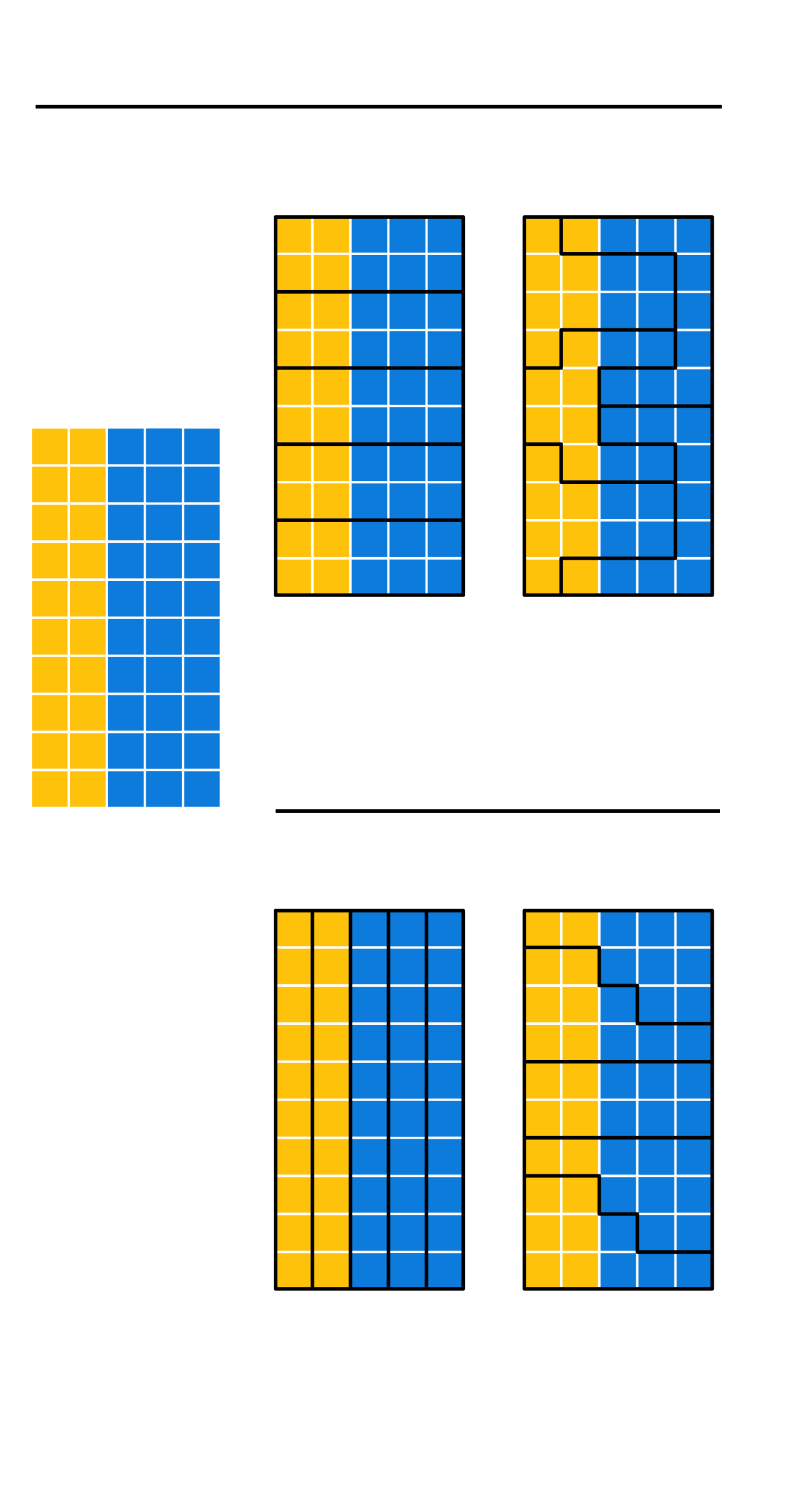
Gerrymandering refers to the manipulation of electoral district boundaries to favor a particular political party, a practice that has significantly influenced representative democracy since the early 19th century.
Named after a Massachusetts governor whose oddly shaped district resembled a salamander, this practice of drawing electoral boundaries for political advantage remains a significant and controversial feature of many democratic systems.
A Salamander-Shaped Origin
The term originated in 1812, combining Massachusetts Governor Elbridge Gerry's name with "salamander," describing an oddly shaped electoral district drawn during his administration.
Manipulating District Boundaries
Gerrymandering involves deliberately drawing electoral district boundaries to favor a particular political party or group, often creating oddly shaped districts to concentrate or dilute specific voting populations.
Partisan and Racial Gerrymandering
Gerrymandering can take multiple forms, including partisan gerrymandering favoring political parties, and racial gerrymandering historically used to dilute the voting power of minority communities.
Ongoing Legal and Political Challenges
Gerrymandering remains subject to ongoing legal challenges and political reform efforts, with courts and legislatures in various countries continuing to grapple with appropriate limits on the practice.