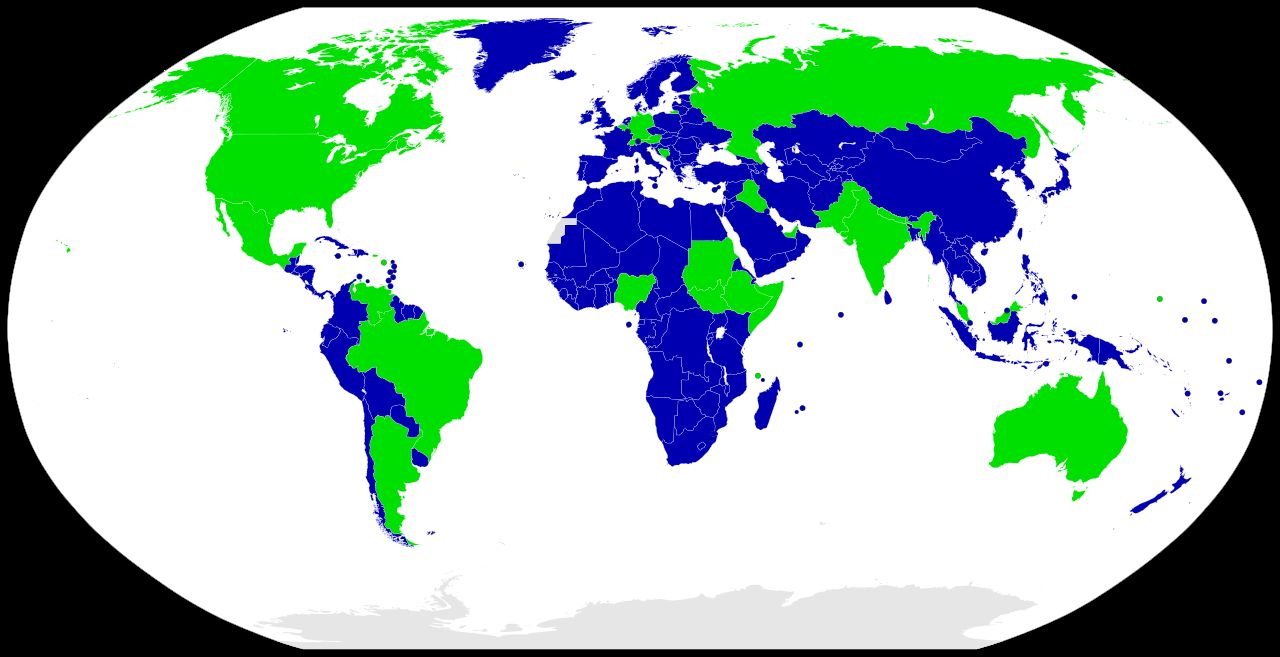
Federalism
Federalism is a system of government in which power is divided between a central national authority and constituent political units such as states or provinces, balancing unity with regional autonomy.
Dividing political authority between a central government and constituent regions rather than concentrating all power in one place, this system attempts to balance national unity with meaningful local self-governance.
Dividing Power Between Levels of Government
Federalism divides governing authority between a central national government and constituent political units, such as states or provinces, each retaining significant independent authority.
The U.S. Constitutional Model
The United States Constitution established an influential early model of modern federalism, dividing specific powers between federal and state governments.
Balancing Unity and Local Autonomy
Federal systems aim to balance the benefits of national unity and coordination with meaningful regional autonomy, allowing local governments to address region-specific concerns.
Diverse Global Implementations
Numerous countries worldwide have adopted federal systems of government, each implementing the basic federalist principle differently based on their own historical and political circumstances.