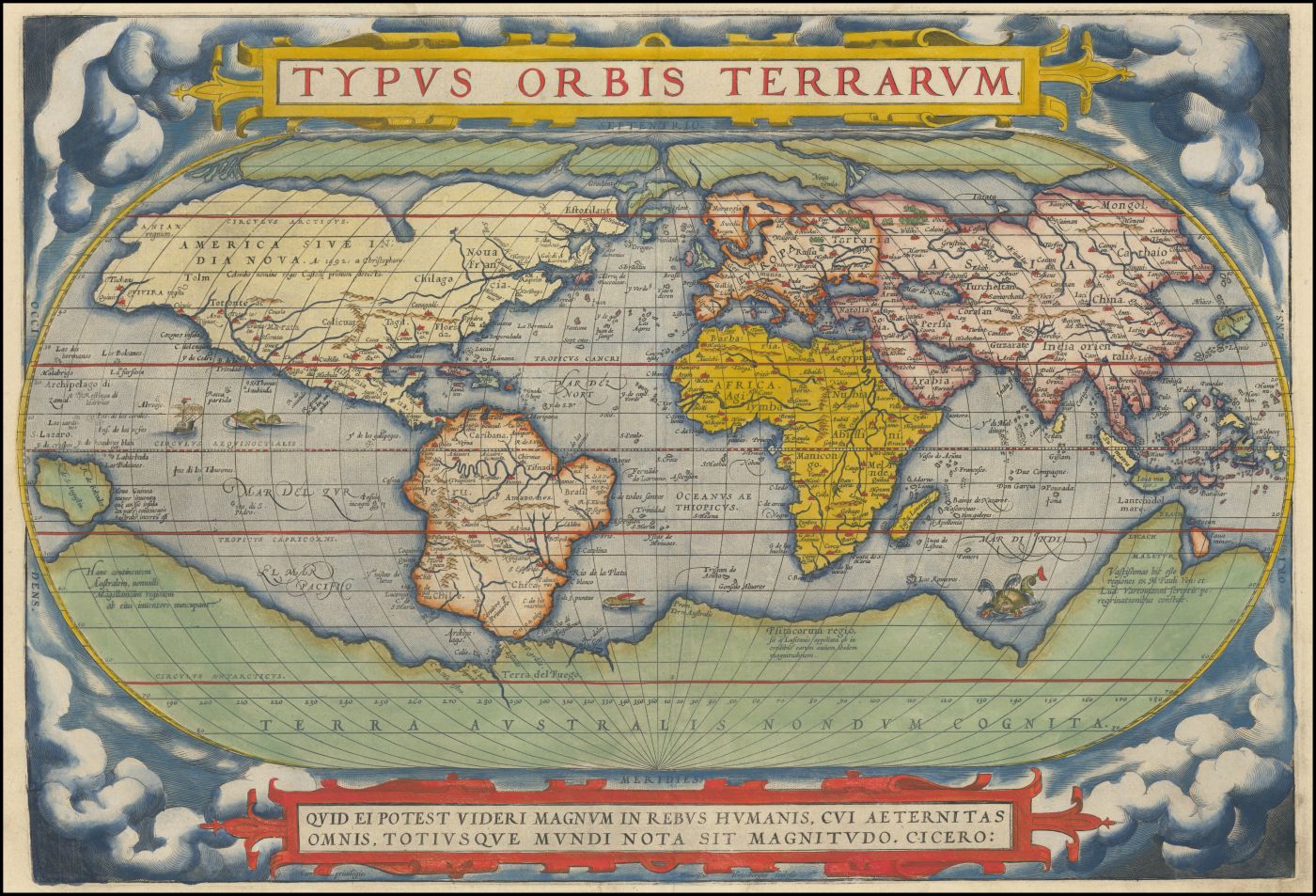
The Age of Exploration
The Age of Exploration was a period beginning in the 15th century during which European powers undertook extensive overseas voyages, dramatically reshaping global trade, colonization, and cultural exchange.
Driven by a hunger for new trade routes to Asia and fueled by advances in shipbuilding and navigation, this era of exploration would permanently and often violently connect civilizations that had previously known almost nothing of one another.
Seeking New Trade Routes
European powers, led initially by Portugal and Spain, sought new sea routes to Asia to bypass overland trade routes controlled by Middle Eastern intermediaries and access valuable spices directly.
Navigational Advances
The era was enabled by significant advances in shipbuilding and navigation, including the development of the caravel ship and improved understanding of ocean currents and wind patterns.
Encountering the Americas
Christopher Columbus's 1492 voyage, intended to reach Asia, instead led to European contact with the Americas, opening an era of exploration, conquest, and colonization across the Western Hemisphere.
The Columbian Exchange
The period initiated the Columbian Exchange, a massive transfer of plants, animals, diseases, and people between the Old and New Worlds that permanently reshaped global agriculture and demographics.
A Legacy of Conquest and Exchange
While enabling significant cultural and economic exchange, the Age of Exploration also initiated centuries of colonization, exploitation, and devastating disease transmission that decimated Indigenous populations across the Americas.