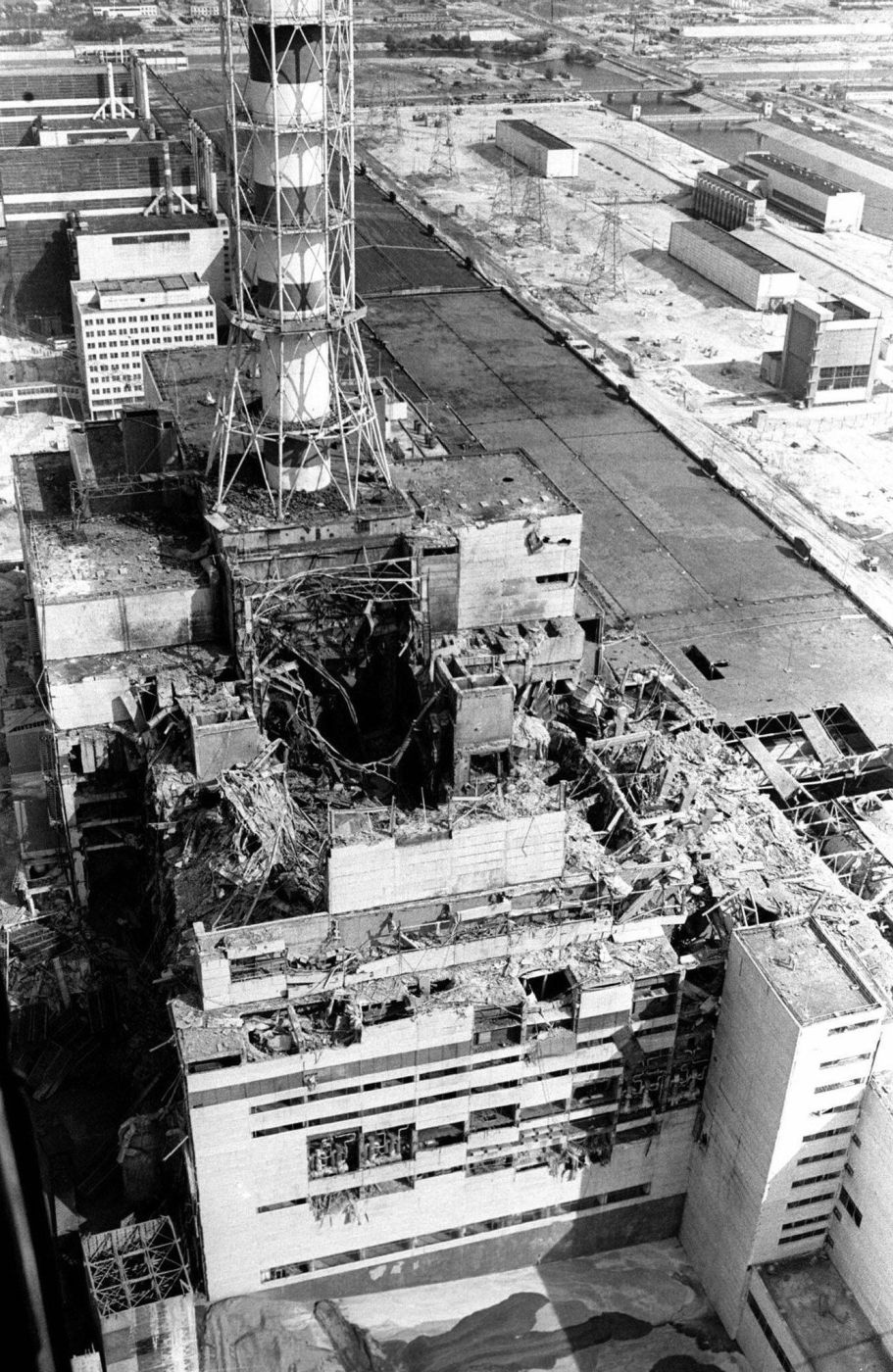
The Chernobyl Disaster
The Chernobyl Disaster was a catastrophic 1986 nuclear power plant accident in Soviet Ukraine, considered the worst nuclear accident in history and a significant factor in the eventual collapse of the Soviet Union.
A flawed safety test at a nuclear plant went catastrophically wrong in the middle of the night, releasing radioactive contamination across a wide swath of Europe and exposing the Soviet system's own deep institutional failures.
A Failed Safety Test
The disaster occurred during a safety test at the Chernobyl Nuclear Power Plant, when a combination of reactor design flaws and operator errors led to a catastrophic explosion and fire.
Massive Radioactive Contamination
The accident released substantial radioactive material across large areas of the Soviet Union and Europe, forcing the permanent evacuation of the nearby city of Pripyat and surrounding areas.
A Delayed and Secretive Response
Soviet authorities initially attempted to conceal the scale of the disaster, a delayed and secretive response that drew significant international criticism once the true severity became known.
Lasting Health and Environmental Impact
The disaster caused significant immediate and long-term health consequences for those exposed, and the surrounding exclusion zone remains largely uninhabited by humans decades later.
A Symbol of Soviet Decline
The disaster and its mishandling are often cited by historians as a significant factor undermining public confidence in the Soviet government, contributing to the broader political changes that led to the Soviet Union's collapse.