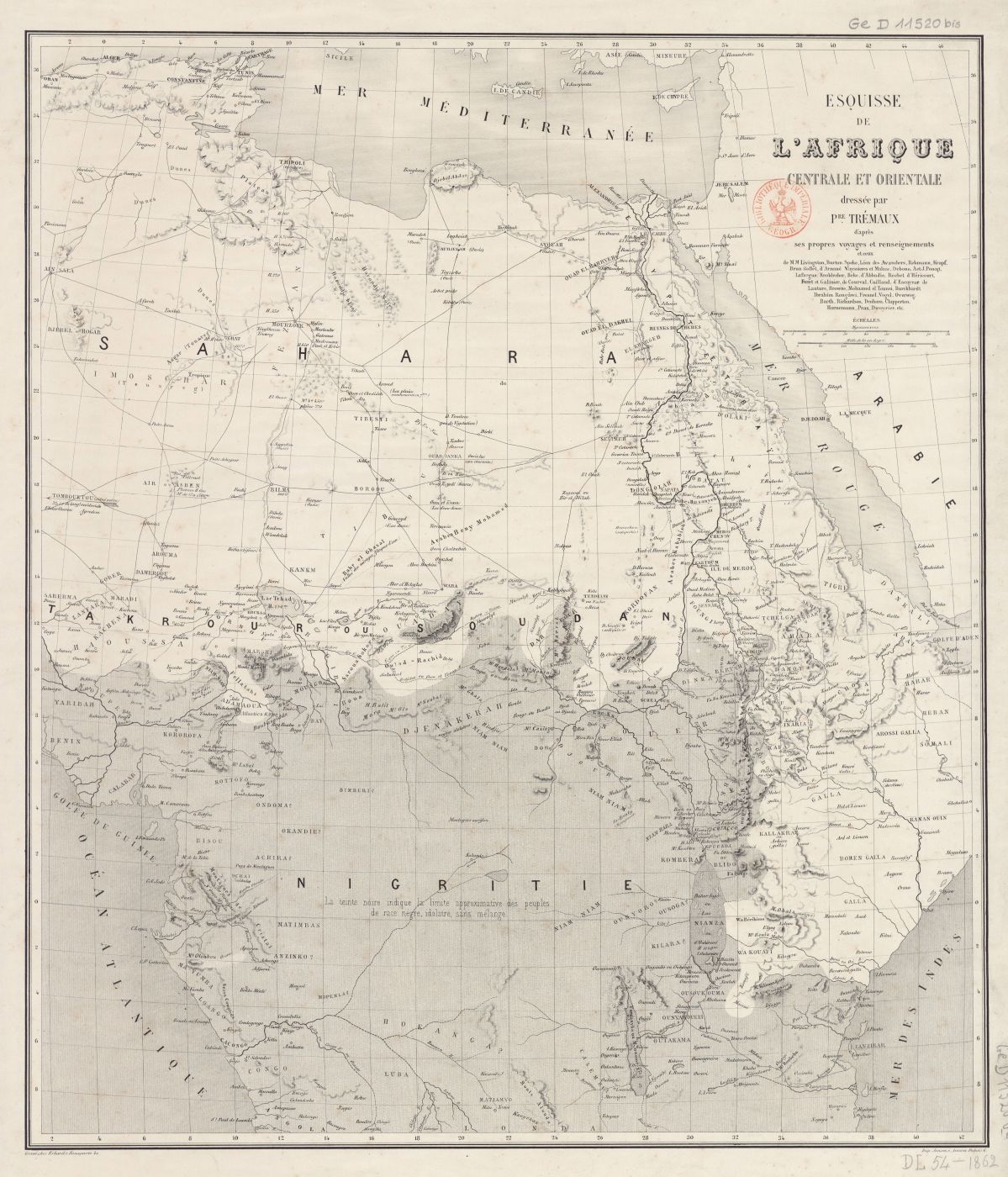
The Sahara Trade Routes
The Sahara Trade Routes were an extensive network of trans-Saharan caravan paths that connected sub-Saharan Africa with the Mediterranean world for centuries, facilitating trade in gold, salt, and enslaved people.
Crossing one of the most inhospitable environments on Earth, camel caravans carrying gold, salt, and other goods connected two vastly different worlds across this vast desert for nearly a thousand years.
Connecting Two Worlds
The trans-Saharan trade routes connected sub-Saharan West Africa with North Africa and the Mediterranean world, facilitating exchange across one of the world's most challenging desert environments.
Gold and Salt
The routes were particularly significant for the trade of gold from West Africa and salt from Saharan mining sites, commodities of immense value in their respective regions of origin and demand.
Camel Caravans
Trade was conducted via large camel caravans, sometimes numbering thousands of animals, that could survive the desert's extreme conditions in ways earlier pack animals could not.
Spreading Islam and Culture
Beyond material goods, the trade routes facilitated the spread of Islam and cultural exchange across West Africa, significantly shaping the religious and cultural development of the region.