Times have certainly changed from my school days in 1980s England.
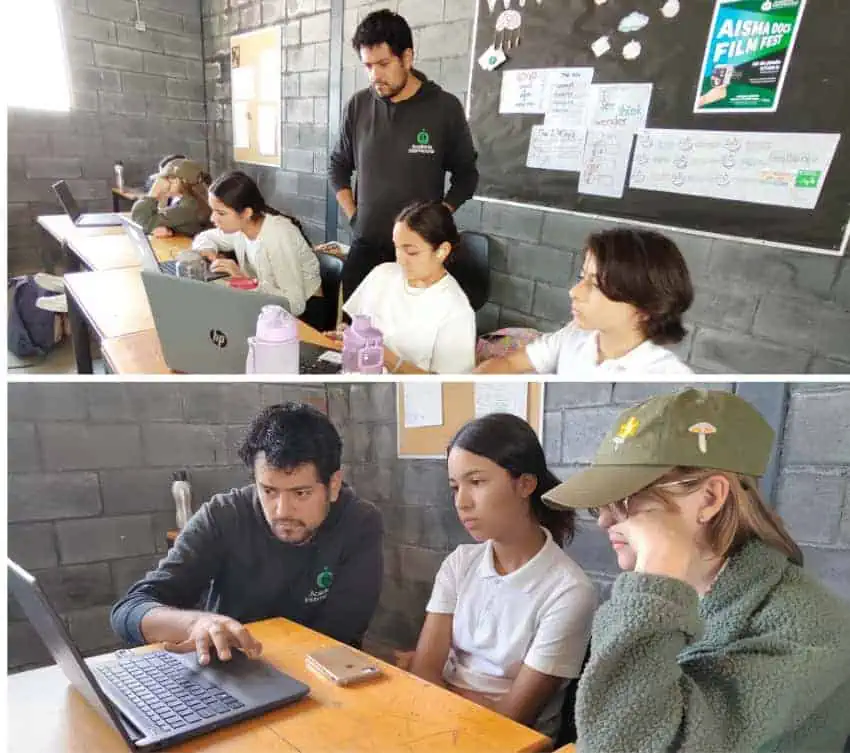
When I went to learn more about a student documentary film project at the bilingual Academia Internacional in San Miguel de Allende, I was stunned by the whole setup. The campus has mountain vistas, a food truck, a geodesic dome greenhouse, yurts, a “makers” design studio, and, wait, a… pirate ship?
Founded in 2011 as a non-profit (SEP-affiliated) school, the creative vision, care and well-being of the students was immediately apparent. Dr. Laura Montes is head of the school board and “it’s essentially her genius, with a very good team around her, that has built this school”, the principal tells me. With 186 pupils from 14 different countries, it offers a diverse learning environment for students.
As a film enthusiast, I was keen to meet the teachers who developed the educational ethos of the school, and spearheaded a documentary project that had gained local attention. . Leo Utskot, a self-effacing but energetic and enthusiastic Norwegian teacher, addressed my questions immediately.

“We break all the rules!” he said. “We practice project-based learning. The pillars of this school are what we call SEL, or social emotional learning. Our students learn by hands-on experience, through collaborative effort. We encourage curiosity, the value of asking questions and discovery … Our longtime history and geography teacher, Leonardo Estrada Calva, wanted to spearhead a filmmaking project around social issues with students spanning 6th to 9th grades. He saw this as an exciting and ideal way to research and gain knowledge of local social systems and be engaged with the community, in teams of different age groups.”
Laura Montes echoed Estrada’s sentiment and added, “By focusing the students on community initiatives for the film topics, they had the chance to participate in local realities and form ideas about how to implement effective change. By being emotionally connected with their environment, I think the films convey more meaning and intimacy.”
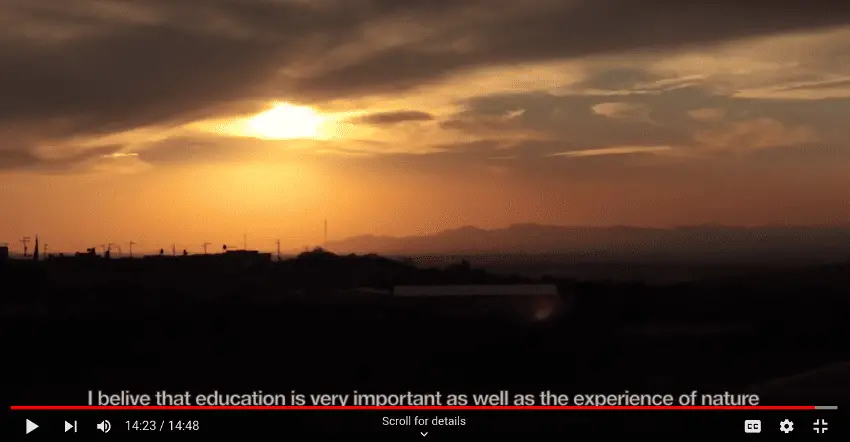
At the Academia, students’ are able to explore their own agency, ideas and initiatives. Tackling wider, global topics is important, Laura continued, but more for historical and background context.
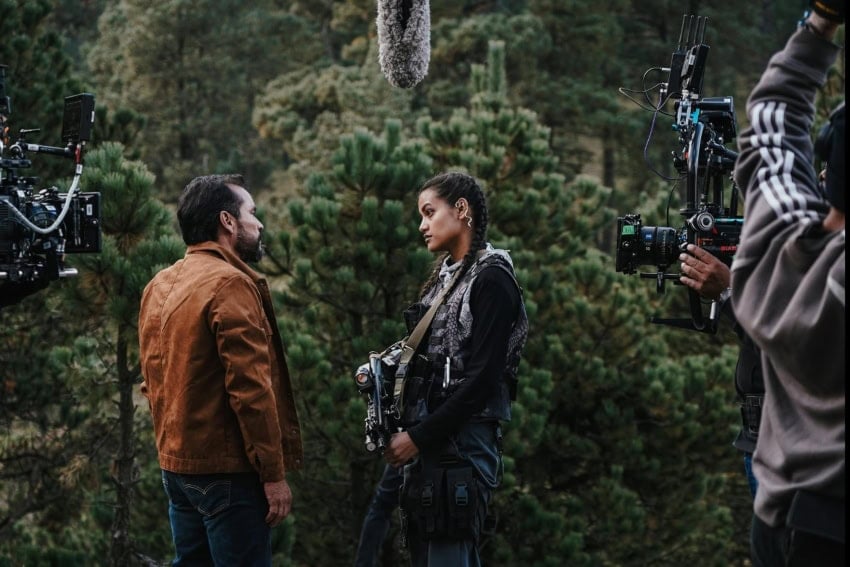
The kids chose from 16 issues facing their communities – finally settling on waste management, water, gentrification, addiction and women’s rights. Estrada, a film enthusiast himself, took the role of executive producer, helping the students procure the necessary finance, permits, equipment and guidance they needed.
“The project, from development, pre-production, shooting, post-production to screening and the exhibition, took 6 months,” he says. “They learned a very detailed process step by step. Then we screened the shorts at the local Cineplex, inviting all the parents and friends and hosting a Q & A. It was like a mini film festival with speeches and awards!”
The team invested in cameras, microphones, tripods and 10 laptops for editing the documentaries. “Touring the Televisa studios in Querétaro gave students the opportunity to experience a working production studio, take inspiration and practical field notes,” said Estrada.
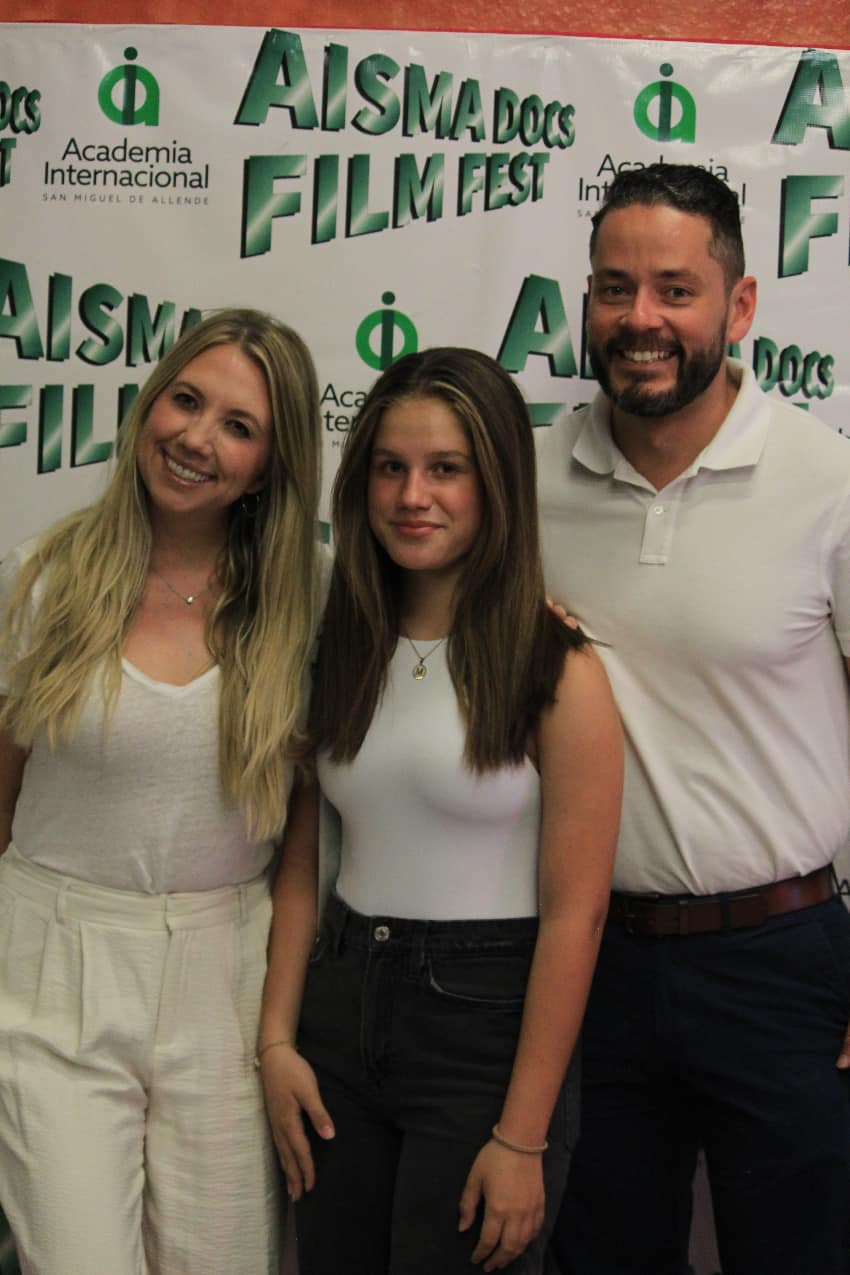
Regina, a 9th-grade student, took part in the documentary about waste, called “Garbage”.
“There was so much I didn’t know. Laura Flores, the engineer at the San Miguel landfill taught us so much. How often do we think about local garbage? With the expanding population there is more garbage than ever. Did you know they see between 100-150 tonnes of garbage every day? We wanted to broadcast information that most people don’t think about on a daily basis.”
The garbage and water documentaries, informative and straightforward, were a lot more captivating when seen through the eyes of schoolchildren.
“This is important for their future, and their future family,” explains the school director. “We’re aware we live in turbulent times. It helps to not only be informed, but to engage, collaborate, and embrace questions, perspectives and to be able to learn from mistakes. So whether the kids are learning to grow vegetables in the greenhouse dome or to construct a table, they’re learning about life ‘in action’.
I witnessed that “life in action” philosophy in the film titled “Gentrification”.
Maddie, also a 9th-grader, said it took six months of research before completing their narrative structure. “We conducted so many interviews that we couldn’t show them all in the film. But our intention was to present perspectives from both the locals and the foreigners. The locals were much more positive about the influx of foreigners, seeing them as a boost for business. The Americans seemed to feel more guilty! But giving back to the community was a strong theme, so we wanted to show that. Gentrification has many different sides to it.”
The student documentary about addiction in San Miguel de Allende (“Adictopia”)
The students had also visited the Presa Allende (the reservoir just outside San Miguel) and learned about local water shortages from the farmers and residents. “Ultimately, we became aware that this is a main concern for the future of San Miguel. The water lilies [infestation] causes problems for the fish, de-oxygenating the water, threatening to dry up the dam,” explained a student named Lia.
In the students’ short film about addiction, I was surprised to learn that crystal meth and alcohol are the main substances abused in San Miguel. This film was impactful and heartfelt, with some talented use of animation and graphics.
The stamp of good filmmaking is to make it look easy, when in reality it’s a time-consuming, laborious and highly collaborative art. The students’ efforts with shooting, audio, music and editing were commendable. The less than perfect moments retained a sense of fresh delight for me, knowing that adults hadn’t interfered.
“As we say here, mistakes are important! Learning and developing step-by-step together is what education is all about”, Leo reiterates. “We teach a way of life here and not just a syllabus.”
Visual media is undoubtedly one of the leading communication tools we have today, and with the advancement of AI, our kids today will have more opportunity to present issues and form local and global initiatives using these powerful tools.
As 9th-grade student Regina told us, “It was amazing to be able to tell these stories on film about our own community, that most people don’t think about on a daily basis.”
Henrietta Weekes is a writer, editor, actor and narrator. She divides her time between San Miguel de Allende, New York and Oxford, UK.
Source: Mexico News Daily