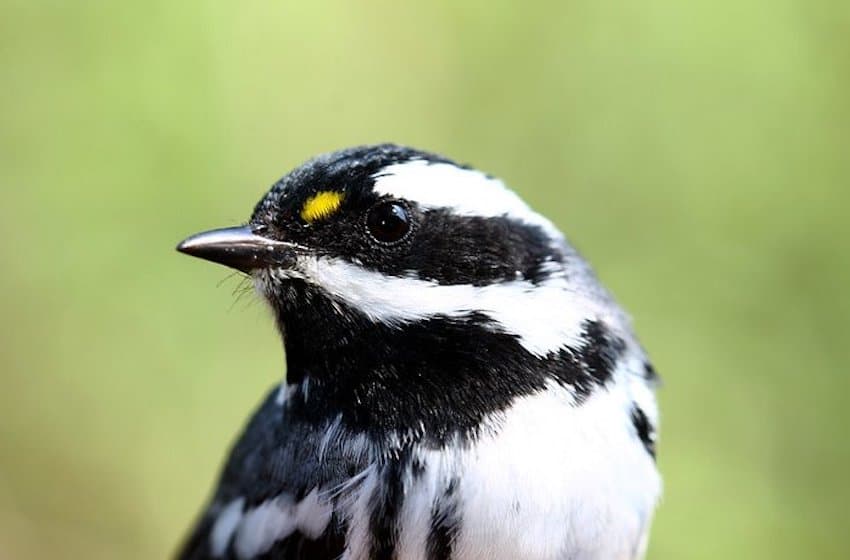
Academics from the University of Guadalajara are warning that climate change’s impact on migratory birds from the U.S. and Canada is causing “a silent and growing imbalance in the local ecosystem.”
The continued migration of many bird species that arrive in Jalisco each year faces serious threats due to rising temperatures, pollution and the expansion of urban areas with excessive lighting.
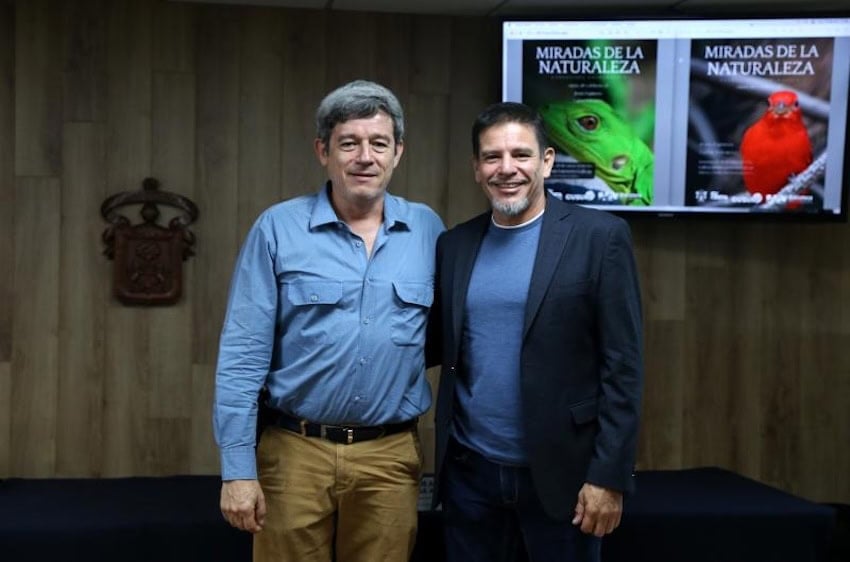
Biologist Jesús Alberto Espinosa said migration has declined among species that depend on increasingly dry regional wetlands. The climate crisis is particularly evident in the reduction of critical ecosystems that are losing their capacity to provide refuge.
“There are species that are not returning,” he said. “We used to see the American grebe in the 1980s and 90s; now it’s extremely rare. Roseate spoonbills, which used to arrive in good numbers in Zapotlán el Grande, are hardly ever seen today. Storks and ducks, which were common, have also seen their populations decline.”



With less water and more severe droughts, the natural cycle is disrupted, affecting both birds and humans.
The survival of these birds depends directly on the health of the wetlands, such as the Zapotlán Lagoon, which not only regulates the local climate but also supports 360 families of fishermen and artisans.
The Sayula Lagoon, which should be full of thousands of birds and is an important site for their conservation, is dry because not enough rain fell this past year.
“Prolonged droughts and the evaporation of bodies of water force birds to move to other locations or even stop migrating altogether,” said Carlos Palomera, a biology professor.
“The lack of water … prevents the reproduction of aquatic organisms that serve as food for the birds, [while] rising temperatures disrupt natural cycles: Insects hatch prematurely, and birds arrive late to areas where they previously found abundant food. This reduces their chances of survival and affects the entire food chain.”
The decline in migratory birds has serious consequences: As natural pest controllers, their absence favors an increase in insects that damage crops or transmit diseases. Additionally, many species perform vital functions such as pollination and seed dispersal, essential for forest regeneration.
Espinosa and Palomera spoke Monday at the inauguration of their photo exhibit — “Glimpses of Nature” (“Miradas a la Naturaleza”) — which they hope will raise public awareness by explaining the importance of ecological preservation in mitigating the effects of climate change on birds and other animal groups.
The exhibit lasts through Feb. 25 at the Juan José Arreola State Public Library of Jalisco, in Zapopan.
With reports from La Crónica, UDG-TV and Aristegui Noticias
Source: Mexico News Daily