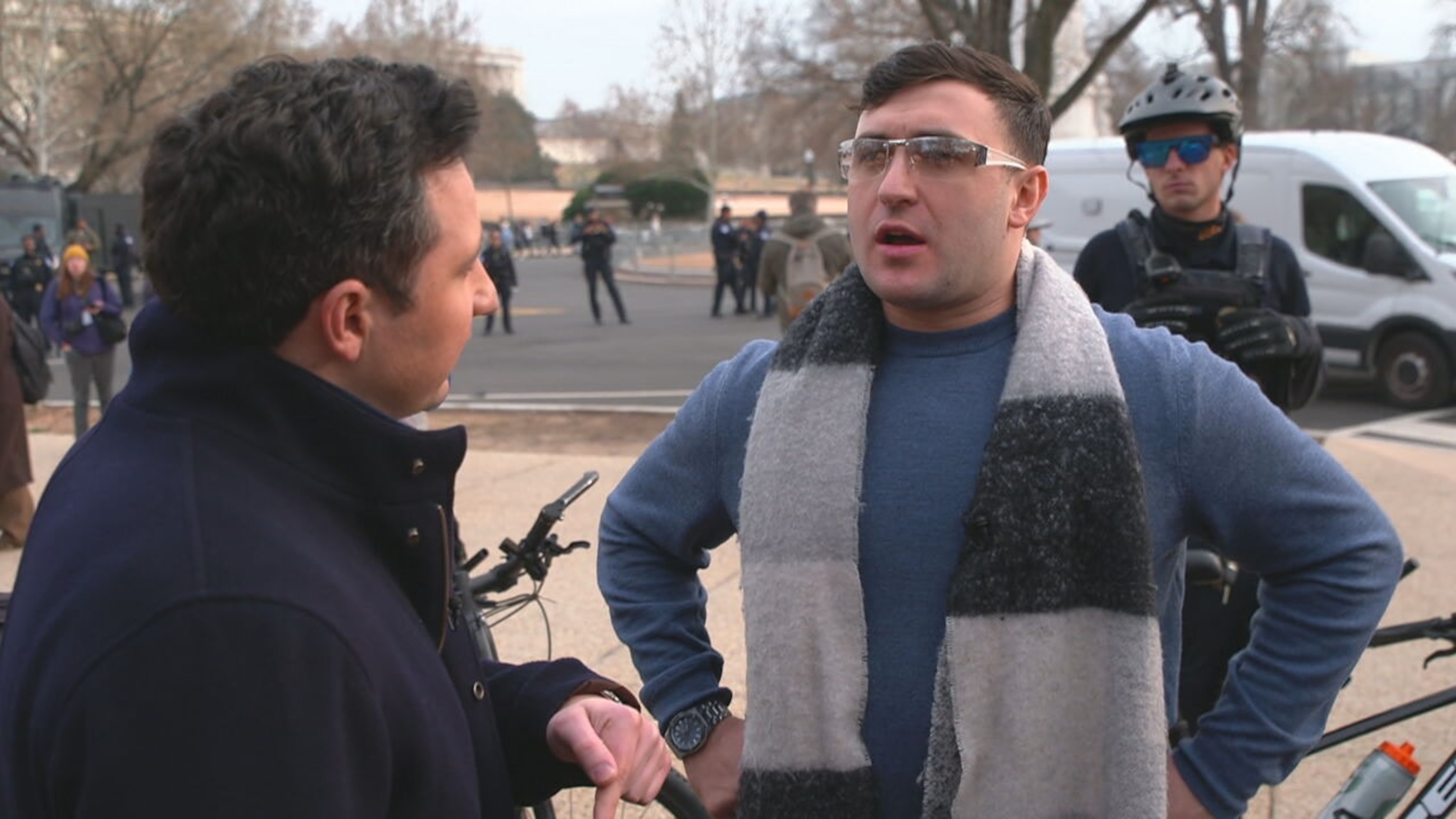
Jan 21 : Nick LaFleur is one of many Americans who think a Netflix-Warner Bros tie-up might provide some relief from “subscription fatigue.”
The New York City resident has held on to a full poker hand of streaming services – Netflix, Disney+, Apple TV, HBO Max and Paramount+ – even as prices have risen steadily.
Netflix on Tuesday switched its nearly $83 billion offer for most of Warner Bros to all-cash to keep Paramount at bay as the two compete for the company’s coveted studio and content library. If successful, a Netflix-Warner Bros tie-up could bring the HBO Max streaming service under the same umbrella as Netflix.
LaFleur and others hope that might translate to smaller bills.



“The trajectory of streaming prices, whether there is a merger or not, seems to be going up and up,” said LaFleur, who works in tech communications. “I would imagine they would not just add the price of HBO Max to Netflix… my expectation is that I could get a discount.”
Americans now pay for an average of 2.9 streaming subscriptions despite the rising costs, which now come to $552 a year, according to a Forbes Home survey of 1,000 people published in November.
As of June, most HBO Max subscribers had a Netflix subscription – 94 per cent, in fact, according to Bernstein analysts, while 38 per cent of Netflix users had HBO Max. A tie-up could revive streaming’s early promise of “everything under one roof” before studios yanked their content to launch rival services.
The downside? The deal could stifle competition and erode HBO’s reputation for prestige programming that currently exceeds Netflix’s, experts say.
“IT’S A PAIN TO MANAGE SUBSCRIPTIONS”
The proliferation of streamers has swamped consumers with content, similar to hundreds of unwatched channels offered by cable TV when the industry was at its peak. About 72 per cent of U.S. consumers said streaming bundles offer better value, while 63 per cent say they feel overwhelmed by the options, according to a Mintel survey of nearly 2,000 people last August.
“It’s a pain to manage subscriptions,” said Orlando-based Frank Weaver, who resorted to buying an app to track them and has canceled some services because of the cost.
A report last year from industry tracker Antenna showed the recently introduced discounted bundle of Disney+, Hulu and HBO Max retained 80 per cent of its subscribers after three months, stickier than any of the standalone services.
NETFLIX FORMS THE BASIS OF VIEWING PACKAGES
For many viewers, Netflix, the global streaming leader with 325 million subscribers, forms the basis of any viewing package.
About 78 per cent of customers chose the service when building a hypothetical custom bundle, placing it ahead of Disney+, Paramount+ and HBO Max, according to a Forrester Research survey of more than 400 adults in the U.S., the UK and Canada published last year.
Part of Netflix’s argument in its bid for Warner Bros was that the combination may lower costs for consumers and ease regulatory fears, Reuters reported last year.
Netflix’s standard plan is priced at $17.99 a month, while HBO Max’s equivalent tier costs $18.49 and Paramount+’s ad-free Premium plan costs $13.99, according to the companies’ websites.
DOING THE OPPOSITE?
Netflix scrapped its cheapest ad-free plan, called basic, in 2023, leaving consumers with its more expensive premium and standard plans, as well as the standard plan with ads.
The premium plan now costs $24.99 a month, up from $19.99 in 2022, while the standard ad-free plan’s price has gone up by more than $2 to $17.99 in the period.
Lawmakers have warned that the Netflix-Warner Bros combo could give the combined firm outsized bargaining power. Experts say this could lead to fewer choices, giving Netflix more power to raise its rates, spend less on the kind of quality shows offered by HBO, or both.
“Whether the winning bidder is Netflix or Paramount, the worry is whether they will be positioned to pay less for content,” said Bill Baer, a visiting fellow at the Brookings Institution and former U.S. assistant attorney general for antitrust under President Barack Obama.
“That likely would diminish both the number and the quality of programming and the number of people willing to invest in the creative process.”
Source: CNA