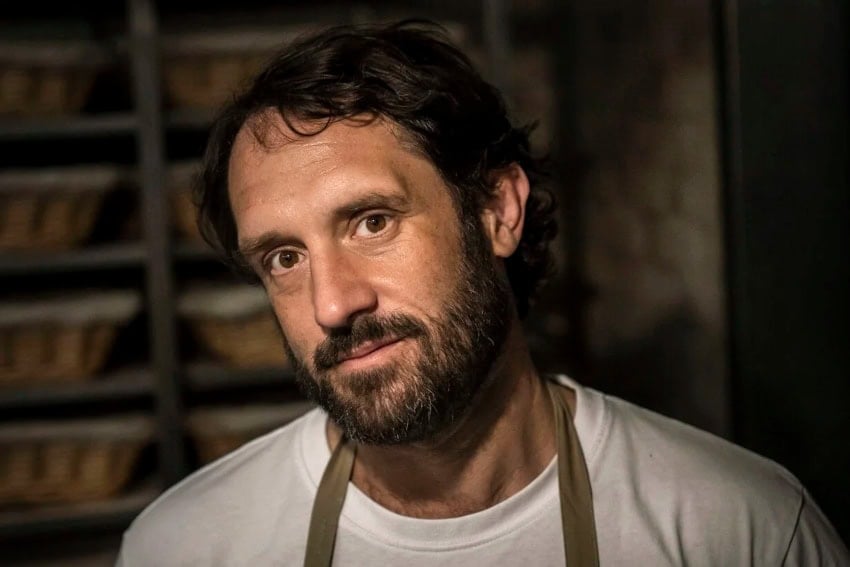
You probably saw it in your feed, in the news or on Mexico News Daily. British baker
Richard Hart dared to declare that el bolillo — Mexico’s beloved white roll — was “a low-
quality bread,” and Mexicans, collectively, felt as though he had mentado la
madre (sworn at our mothers).
El bolillo is a cornerstone of Mexican cuisine. It holds together our tortas, becomes
dessert when buttered and sprinkled with sugar, and serves as comfort food after a
fright — a meme-worthy “toma un bolillo pa’l susto” moment (“have a roll for the scare”).
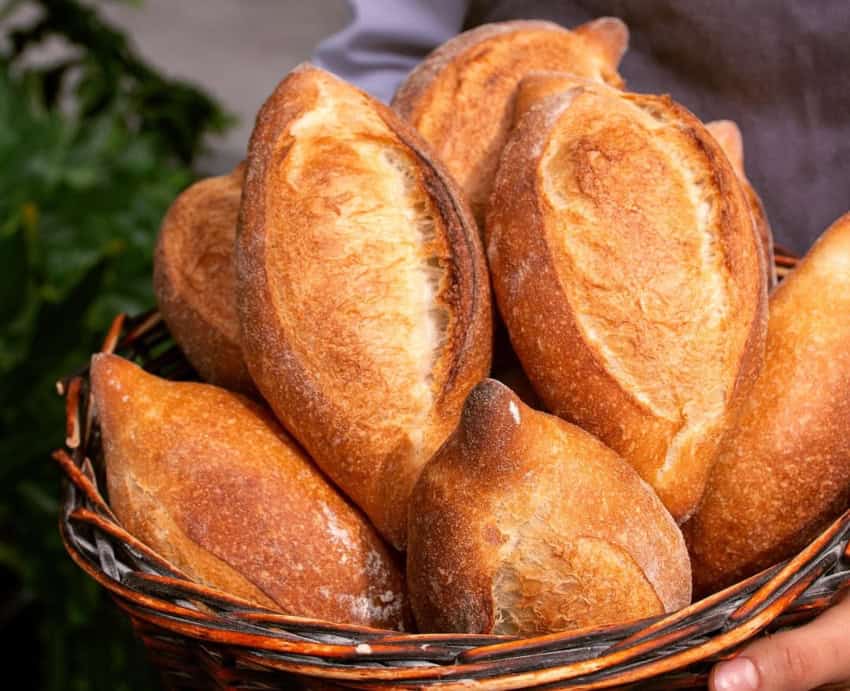
To us, this humble bread is delicious, trustworthy and endlessly comforting. As I explained in my earlier tortas article, el bolillo is a piece of national identity. So
when a foreigner — especially one who has invested in a Mexico City bakery, Green
Rhino — criticizes our bread; it feels personal, almost like a slight against us as a people.
In the article’s comment section on MND and across social media, many agreed with
Hart, especially foreign readers: “Mexican bread just isn’t good.” As we say here, en
gustos se rompen géneros — to each his own. Even though UNESCO recognizes
Mexican cuisine as part of humanity’s intangible cultural heritage, doesn’t mean everyone must like it. But if you choose to live, invest or belong to a culture not your own, there’s a basic responsibility to learn from it, not just consume it.

Food, when viewed not merely as sustenance but as an expression of the land that
shapes it, becomes an X-ray of belief, economy and identity. Food is one of the best
ways to know a nation. Had Mr. Hart subscribed to Mexico News Daily and read our
articles about tortas and pan dulce, but also those on our economy and culture, he
might have understood that better.
If you, like Mr. Hart, dislike pan dulce or bolillos, I won’t try to change your taste buds.
But I do want to offer you some context on our bread culture, since it is a staple.
Historical dimension
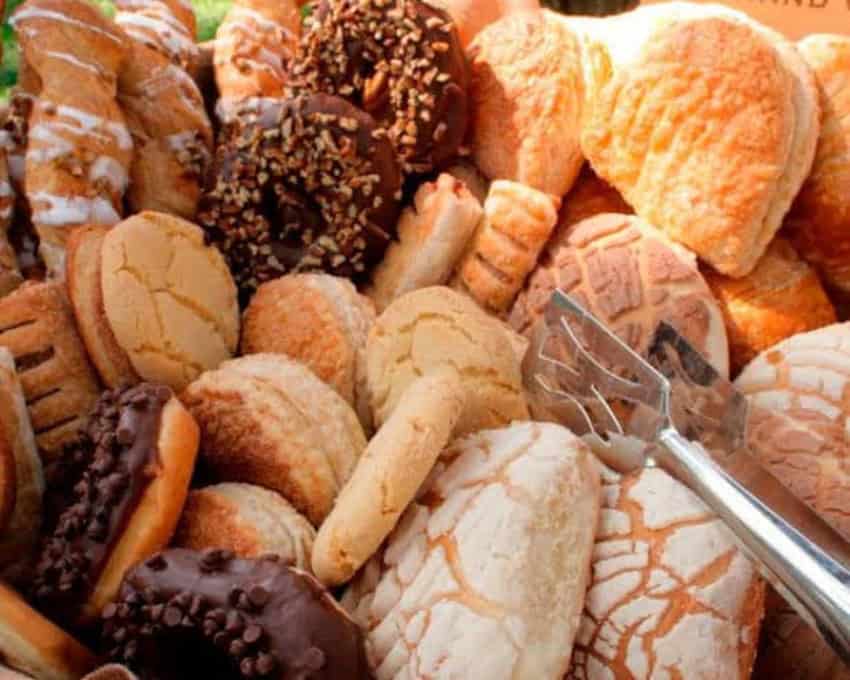
Mexican bread stems from two distinct traditions. Pan dulce consists of reimagined
French, Spanish and Portuguese recipes that were adapted during the 19th and
20th century — with the arrival of modern and industrial ovens — into the dazzling
variety available in every local bakery today. As I’ve written before, the assortment of
sweet breads in a given town reflect the availability of regional ingredients.
Savory bread, meanwhile, is a Spanish inheritance. If you’ve traveled through Spain,
you’ll recognize our bolillos, teleras and molletes under different names — especially in
Andalusia.
During the Spanish Civil War, a significant wave of Spaniards migrated to Mexico. They
founded great universities, but also gifted us their bakeries, furniture shops and more. The best bakeries in the neighborhoods where my parents and I grew up were those
proudly run by “los gachupines.”
Economic dimension
The kind of bread Hart celebrates comes with a steep price tag. In Mexico City, a
supermarket sourdough loaf costs about 80 pesos; at Green Rhino, prices climb from
60 to 165. Mexico’s Ministry of Economy reports that the average monthly salary in
2025 was 6,430 pesos. Clearly, his bakery doesn’t cater to the average local.
His remark — “They don’t really have a bread culture. They make tortas with these ugly
white buns that are cheap and industrially made” — reveals something deeper. “Cheap”
and “industrial” aren’t aesthetic flaws; they’re symptoms of economic structures. When
quality food becomes a luxury good, the problem isn’t taste — it’s inequality. Un
bolillo costs about 5 pesos. His artisan loaf, 165. Taste is relative; economics are not. At
the same time, 5 pesos for a bolillo sounds like a great deal.
Raw material
“The wheat in Mexico isn’t good,” Hart claimed. “They don’t have much of a wheat-
growing culture, and what they use is overprocessed.” That’s not accurate. Wheat is
Mexico’s second most cultivated grain after corn. Though nonnative, it’s deeply rooted
in our agricultural landscape.
Here, wheat faced a deadly fungus, chahuistle, that destroyed crops. That word lives on
in our slang. When life falls apart, we say, “ya te cayó el chahuistle” (“the blight’s hit
you”). Breeding resistant strains was imperative. Since the Porfirian era, the Mexican
government has sought to enhance grain efficiency, particularly wheat, to supply the à la
française bakeries sprouting across the country.
After World War II, the Rockefeller Foundation, with the Mexican government, funded
research led by Norman Borlaug to improve cereal yields — a project that earned him the
1970 Nobel Peace Prize. The goal wasn’t to exploit or poison the world; it responded to
a genuine global desire to fight famine in the postwar world.
Technicalities
Discussing this debate with friends, Gabriela Espinosa, a professional chef and owner
of Delia in Bangkok, offered a technical perspective that humbled all of us who’ve
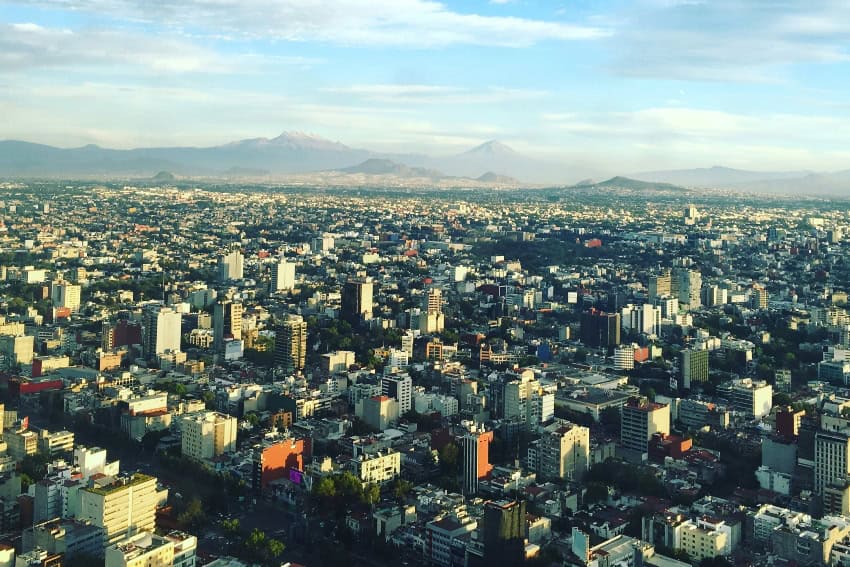
learned “baking” by streaming shows. In high-altitude Mexico City — 2,000 meters above
sea level — geography itself is the baker’s first enemy.
As she explained, “You have to adjust recipes for altitude.” Yeast behaves
unpredictably; lower air pressure makes dough rise faster but weaker. Water evaporates
quickly; kneading requires more effort. In short, imported recipes — from sea-level countries like France — must be rewritten with patience and local precision. Baking here
is not imitation; it’s adaptation.
We DO have bread culture!
The rebuttal to Hart’s insult has been loud and clear: Mexico does have a bread culture.
It may not be British, but that doesn’t make it any less of a culture. Most Mexicans begin
or end their day with sweet bread. When the temperature drops or rain hits the streets,
we turn instinctively to bread once again.
According to official data, each Mexican consumes 57 kilograms of wheat annually. Corn
is our soul, wheat still holds its ground. From Mexico City to Sonora, Guerrero to
Oaxaca, breads differ wildly. Their diversity reflects regional ingredients and two
centuries of evolution — reshaped by local tastes, customs and needs. You may find it
unfamiliar or even unappealing, but it stands as a testament to our enduring
gastronomic heritage.
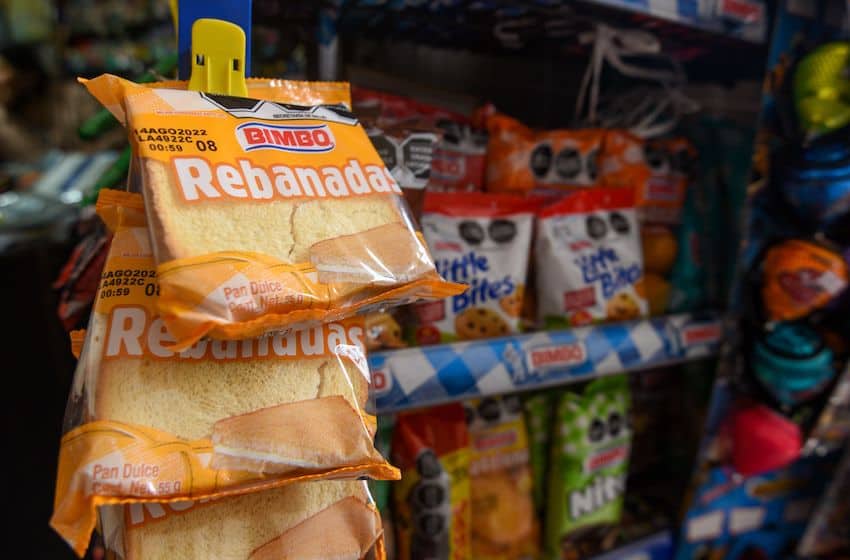
Bread — both artisanal and industrial — remains central to our identity. Even Bimbo, the
world’s largest bakery, is a cultural symbol. Dismiss it as mass-produced if you will, but
it embodies our own definition of progress, mastery and national taste.
The “Before Green Rhino” bakeries in CDMX
I want to apologize in advance to all our subscribers who aren’t in CMDX, but Mr. Hart
started this centralization by establishing his bakery in Roma Norte. Jijitl! How I
imagine a laugh sounds in Nahuatl.
Panadería Rosetta
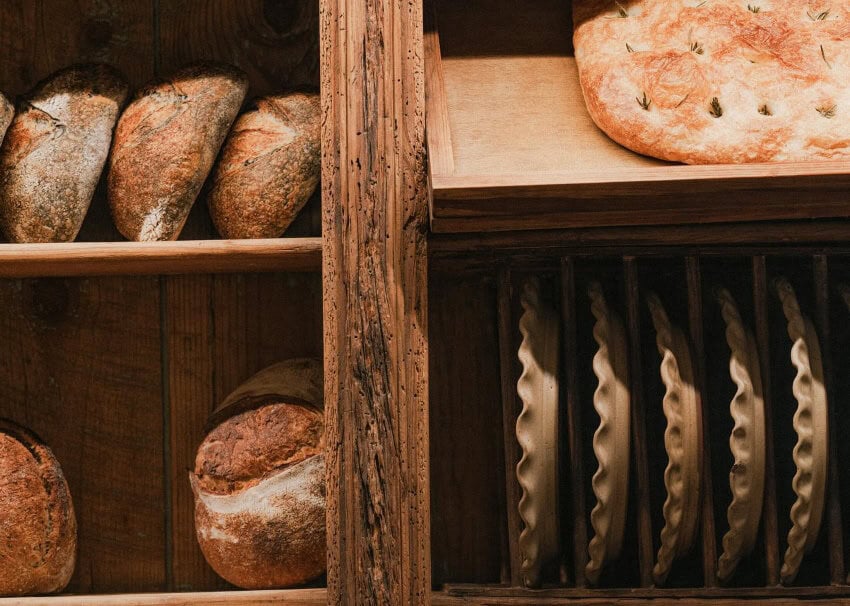
Chef Elena Reygadas gave us, back in 2012, one of the most emblematic bakeries in
Colonia Roma. Beyond the loaves, which are a delight, her selection of pan dulce is
wonderful. My favorite used to be the rosemary bun.
Bottega
If anyone understands dough, it is Italian chef Marco Carboni, who opened his first
restaurant in Mexico City in 2016: Sartoria. In 2019, Marco opened his shop, Bottega,
created to sell Italian products of extremely high quality. His loaves and seasonal
breads are exceptional, like everything else in the store. And try the espresso
cortado — it is my favorite in CDMX.
Odette
Odette opened in 2016 in Lomas de Chapultepec with the idea of making artisanal
bread that was delicious and felt like home. Their loaves are among my favorites, and
fortunately, you do not have to trek all the way to Lomas; there is a branch in Condesa.
City Market o La Comer
Hear me out: for quick supermarket bread that gets you out of a bind, City Market or La
Comer are among my favorites. It is good bread. It is not the same as bread from a
specialized bakery, but it is highly convenient.
Globo, Maison Kaiser, La Esperanza
Mr. Hart criticized commercial bakeries, and that part is understandable. If what you
want is a strictly artisanal loaf, this might not be your place. But if what you are looking
for is a reliable standard of quality and price, these are your bakeries. They are
specialized — unlike La Comer or City Market — and you can find them in several cities
around the country, with consistent quality.
Don’t pull a Richard Hart
Mexicans know this exhaustion: seeing our culture constantly equated with cheapness,
mediocrity or kitsch. We live under the shadow of stereotypes, like every culture outside
the Euro-American mainstream.

Outsiders aren’t expected to know us. But those who choose to build a life or business
here carry some responsibility to understand the land they now call home. You’re free to
dislike bolillos, mole, traffic or our refusal to say “no.” Just don’t use cultural superiority
as a seasoning.
Friends, don’t pull a Richard Hart. We pour thought, history and heart into every article to help you not just live here, but belong. Think of your time in Mexico as an opportunity to build a multicultural coexistence rooted in respect for our cultures and traditions.
Maria Meléndez is an influencer with half a degree in journalism.
Source: Mexico News Daily