Can you imagine the world of pastry without chocolate or vanilla? Both are staples of the modern dessert menu, all of them gifts from the pre-Hispanic world. But today, let’s talk about just one of them: vanilla.
Try to picture it. Half the perfumes on earth? Gone. Cakes without that signature warm sweetness? Ice cream with no baseline of vanilla to contrast more adventurous flavors? Vanilla is everywhere — and yet, few people know how deep its roots run.
Tlilxóchitl
A member of the orchid family, this delicate bloom thrived along the Gulf of Mexico, from the lush jungles of Veracruz to the Yucatán Peninsula, and even as far as Michoacán and parts of Brazil. The Totonacs of Veracruz called it caxixánat. The Maya knew it as zizbic. And for the Aztecs, it was tlilxóchitl, or “black flower.”
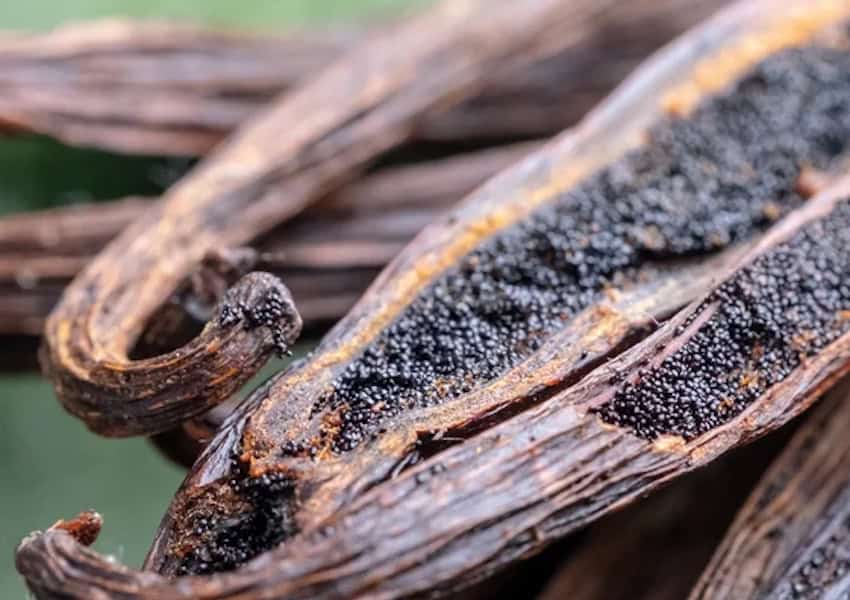
And yet, unlike corn, beans, or squash, vanilla was never truly domesticated. Pre-Hispanic cultures harvested its pods in the wild, then dried them in the sun, releasing the rich oils responsible for its unforgettable scent and flavor. Then that precious oil was used as perfume, as sweetner to ceremonial cacao drinks and used as medicine — for coughs, digestion, even during childbirth.




In Totonac tradition, vanilla was sacred. It was offered to Kiwikgolo, the guardian god of the forest who presided over all natural life. Over centuries, the Totonacs perfected their techniques: waiting patiently for melipona bees and hummingbirds — vanilla’s only effective natural pollinators — to fertilize the flowers. Once harvested, the green pods were laid out under the sun on cloths, then wrapped in blankets to “sweat.” This laborious process, known as beneficiado, transformed the pods into the dark, wrinkled, fragrant vanilla we recognize today.
Vainilla
When Hernán Cortés returned to Spain in the early 16th century, he brought vanilla and cacao with him. The Spanish court fell in love. Soon after, it swept across Europe. Queen Elizabeth I’s personal physician used it as a spice, believing it to be an aphrodisiac. A century and a half later, Madame de Pompadour — King Louis XV’s famed mistress — did the same.
For centuries, Mexico held a global monopoly on vanilla production. But in 1841, a 12-year-old enslaved boy named Edmond Albius on the French island of Réunion (that tiny dot right next to Madagascar) discovered a method for hand-pollinating the vanilla orchid. This changed everything. France surpassed Mexico in production. Today, Madagascar and Indonesia dominate the market. Mexico, once the heart of vanilla, now ranks third.
Still, real vanilla is extraordinarily labor-intensive — and expensive. That’s where the story takes another turn.
Synthetic vanilla
In 1874, two German chemists synthesized vanillin, the primary compound responsible for vanilla’s aroma and flavor. Today, 99% of all vanilla consumed globally is synthetic. It’s in everything from soft drinks to cookies to “vanilla”-flavored protein powder. That scoop of vanilla ice cream? Probably doesn’t contain a single molecule of the real thing.
Which is why, on days when I’m feeling particularly discerning, I avoid vanilla desserts altogether — unless I’m certain they’re made with the real thing. Of course, by the next evening, I’m halfway through a pint of Ben & Jerry’s Chocolate Chip Cookie Dough. Consistency isn’t my strong suit.
The health benefits of real vanilla (yes, there are some)
Used sparingly, natural vanilla has antioxidant and anti-inflammatory properties. Some early studies suggest it may have anti-cancer potential and cardiovascular benefits. The aroma alone has been linked to calming effects, better sleep, and reduced anxiety.
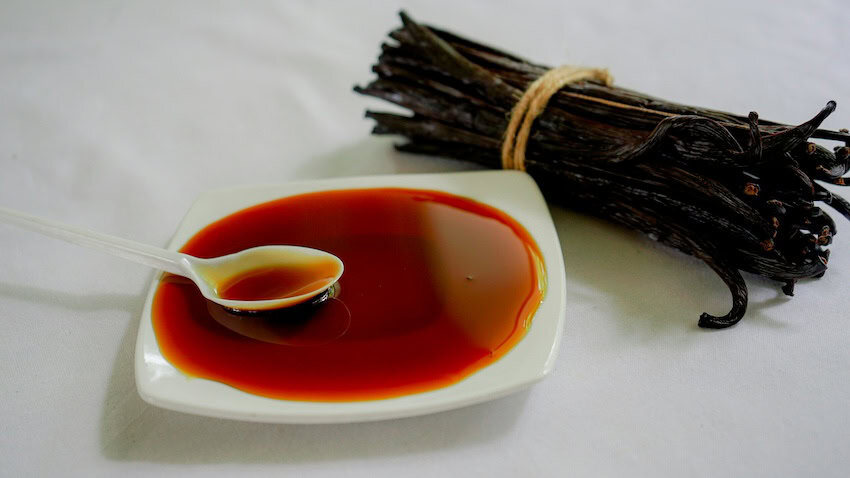
But moderation is key. Real vanilla extract contains alcohol, and consuming too much could lead to liver damage or stomach upset — not to mention a very strange hangover.
According to researchers at Universidad Veracruzana, the recommended dose of natural extract is up to 25 drops per day, added to coffee, milk, tea, or smoothies. For baking, 3–5 ml per kilo of dough is ideal — or 1–3 grams if you’re using concentrated vanilla paste.
My go-to: Homemade vanilla greek yogurt
I love the creamy texture and health benefits of Greek yogurt, but some days I miss the unapologetic sweetness—and sugar rush—of my childhood favorite: pineapple Danone. For those moments, two or three drops of natural vanilla extract into the tub is all it takes. It’s a small ritual, but one that connects me to a time when I didn’t give a second thought to nutrition labels.
So the next time you taste vanilla — whether in a dessert, a drink, or even a fragrance — pause for a moment. Think about the flower that grows deep in the tropical forest. About the people who first gave it meaning. About the long journey from sacred orchid to synthetic stand-in.
Do you use real vanilla in your kitchen? Or are you just now discovering what you’ve been missing? Let’s talk in the comments.
María Meléndez is a Mexico City food blogger and influencer.
Source: Mexico News Daily