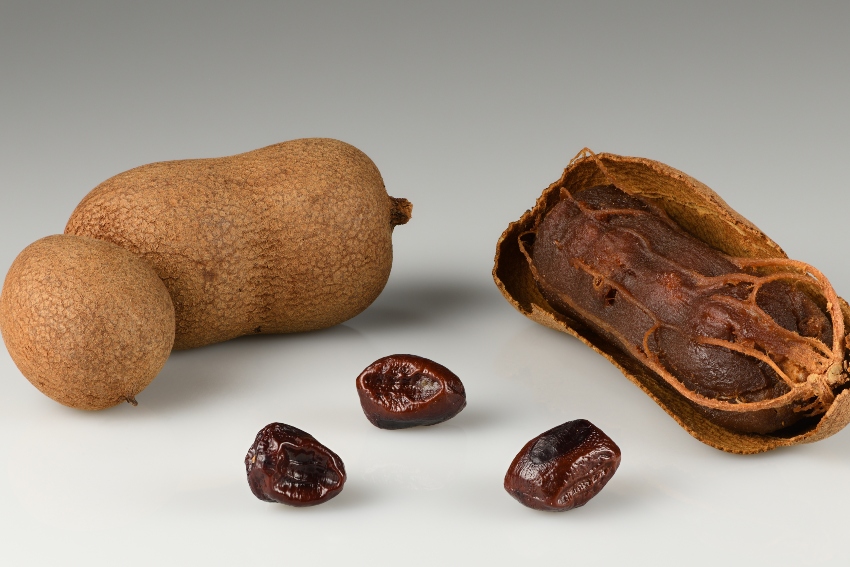
I don’t think I’m exaggerating when I say that one of the first flavors Mexicans learn to recognize is tamarind. Whether in agua fresca or in the endless, chili-dusted candies that crowd store shelves, that sweet-and-sour tang is etched into our memories. For me, it’s downright addictive. Tamarind is so present in our everyday lives that it feels native to Mexico — yet this curious legume is anything but.
The Origin
You’ve probably guessed where this is going: like many other culinary treasures, tamarind reached Mexico thanks to the Spanish, and their insatiable desire to control global trade routes.
The fruit is native to Africa, though its exact birthplace is debated. Some trace it to Madagascar before it spread to Southeast Asia and India, where it was known as amlika. During the Muslim occupation of the Iberian Peninsula (711–1492), Andalusian Spaniards became acquainted with a wealth of Arab, African and Asian flavors. These included not only pepper, cardamom, and ginger, but also, of course, tamar-ul-hind, the “date of India.”
The Manila Galleon
The discovery of the tornaviaje in 1565 — Andrés de Urdaneta’s return route across the Pacific — changed global commerce for the next 250 years. The Spanish galleons left Manila, followed currents up past Japan, and then crossed the ocean. After four or five grueling months, they arrived in Acapulco.




For two and a half centuries, Acapulco was the main hub linking Asia and the Americas. Asian goods offloaded there were carried across Mexico, reaching Veracruz, where a new shipment mixed with Mexican products would set sail for Seville.
The Manila Galleon (or Nao de China) reshaped New Spain’s aesthetic and, more importantly, enriched its kitchen.
Tamarind, Mexican Style
Tamarind’s flavor profile was the perfect foil to the existing tastes of Mesoamerican cuisine: the fresh herbaceousness of maize and beans, the heat of chile, the sweetness of squash, and the acidity of tomato all gained new depth when combined with tamarind’s sharp tang.
And Mexico’s climate proved ideal for cultivating the tree. It adapted so quickly and was embraced so wholeheartedly that many people today assume tamarind is native to Mexico.

As we’ve seen with countless other ingredients, food in Mexican culture carries a medicinal dimension. Tamarind wasn’t just delicious. It was believed to reduce fever, soothe digestive problems and work as a natural laxative.
Nutritional Profile
They weren’t wrong. Tamarind is rich in vitamins A, B3 and C, along with minerals such as magnesium, calcium, potassium, phosphorus and iron. Thanks to its fiber content, it aids digestion. Modern science confirms what tradition long suspected: tamarind has laxative, diuretic, astringent, antiseptic, anti-inflammatory and antioxidant properties.
How to Eat It
Tamarind’s uses go far beyond agua fresca and candies. It’s also an ingredient in salsas, adobos, moles, jams and desserts.
How to Prepare It
No matter what you plan to make, start by removing the brittle outer shell and the fibrous veins. Soak the pulp in warm water for 30 to 60 minutes, then remove the seeds.
From there, you can prepare a paste or preserve to make your own less-sugary tamarind candies. Personally, though, my favorite way to showcase tamarind’s complexity is in a marinade, which is perfect for meat, chicken, fish, tofu or mushrooms.
This is one of my power recipes: a once-secret staple in my kitchen, brimming with nutrients, minerals, and vitamins.
Tamarind Marinade (Serves 4–6)
(insert video here)
Ingredients:
200 g tamarind pulp
1 cup water
2 tbsp date syrup or agave nectar (or sweetener of choice)
1 tbsp apple cider vinegar
Juice of 1 fresh lime
2 medium garlic cloves, finely chopped
1 piece fresh ginger (about 3 cm), grated
2 tbsp extra-virgin olive oil
1 tsp toasted sesame oil (optional)
½ tsp ground turmeric
¼ tsp ground cumin
¼ tsp sweet paprika
Freshly ground black pepper, to taste
2 tbsp chopped fresh cilantro
1 tbsp chopped fresh parsley
¼ tsp sea salt or Himalayan salt
Step-by-Step Preparation
1. Prepare the Base: Soak 200 g of pulp in warm water for 20 minutes, then strain out seeds and fibers.
2. Balance Sweet and Acidic: Add date syrup, apple cider vinegar and lime juice. Whisk vigorously until well combined.
3. Add Aromatics: Stir in garlic and ginger. Beyond flavor, both add anti-inflammatory and antioxidant benefits.
4. Emulsify with Oils: Slowly whisk in olive oil to create a stable emulsion. If using sesame oil, add it last to preserve its delicate taste.
5. Season with Spices: Incorporate turmeric, cumin, paprika and black pepper. These don’t just build flavor, they’re also bioactive compounds with proven health properties.
6. Finish with Fresh Herbs: Gently fold in cilantro and parsley to preserve freshness and maximize antioxidants.
7. Rest: Taste, adjust salt if needed, and let the marinade sit at room temperature for 30 minutes so the flavors meld.
Recommended Marinating Times
Delicate fish: 30–45 minutes
Chicken: 2–4 hours
Red meat: 4–8 hours
Tofu or vegetables: 1–2 hours
Friends, don’t skip this marinade — it lends a sophisticated, layered and utterly delicious flavor to whatever you cook. Tamarind is, paradoxically, one of the most Mexican and least-talked-about flavors. I hope that next time you bite into a chili-coated candy, sip a glass of tamarind agua fresca, or try this recipe, you’ll think about the strange, rich and winding history of Mexico’s place in global trade.
María Meléndez is a Mexico City food blogger and influencer.
Source: Mexico News Daily