Puebla has always charmed me. The first time I visited, I was immediately impressed by the city’s bold mix of architecture, brightly-tiled facades and churches that, upon entry, swallowed me whole. I strolled down Calle de los Sapos at night, string lights twinkling above me, Skittle-colored buildings to my right and left and, like any good Mexican city, teenagers making out on the public benches along the sidewalks all around. I loved it.
In the years I’ve been living in Mexico City, I often steal away to Puebla. I enjoy the unpredictability of this city of 3.4 million people, but there’s also a certain security here that doesn’t exist in the capital. A Poblano, for example, will generally bring their car to a stop as I cross the street instead of nearly running me over while hurling insults in my direction.
Puebla is a happy place, and despite its obvious European influence, there’s something about it that feels undeniably Mexican. Walk down any street and you’re likely to pass an alleyway where older ladies whip up molotes, a sort of fried masa calzone stuffed with potatoes, cheese or shredded chicken. Sit in the square for a while and you’re sure to catch an impromptu live music performance or, if you’re really lucky, a high-energy Michael Jackson impersonator. Of course, visiting any colonial city wouldn’t be complete without popping in a museum or two. Here are ten of Puebla’s best museums and what makes them special.
Museo Amparo
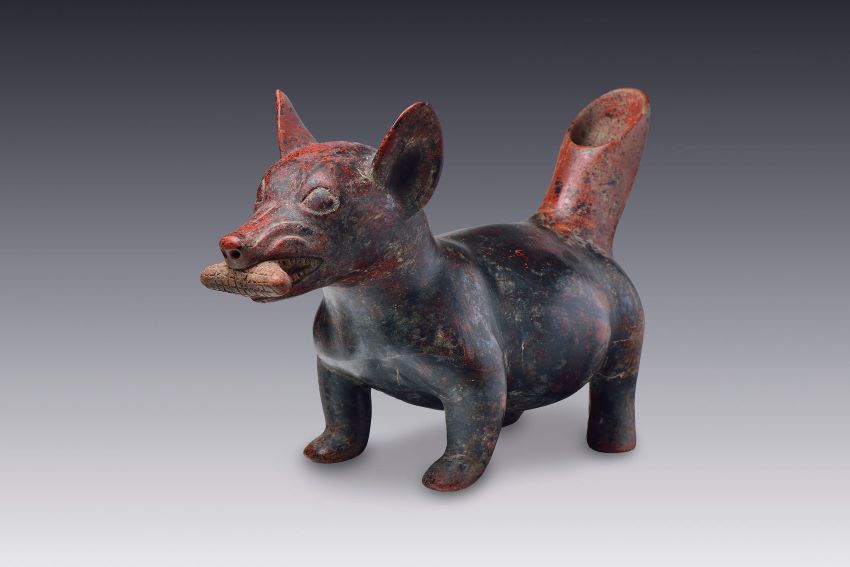
The Museo Amparo is located in Puebla’s Historic Center. It’s renowned for an extensive collection of art and artifacts spanning pre-Columbian, colonial, modern and contemporary Mexico. Housed in two meticulously restored colonial-era buildings, one of which was the city’s first hospital, the Museo Amparo offers immersive installations and a broad collection of historical artifacts. It is Puebla’s most well-known museum for a reason, and a must-see for any visitor.


- Perfect for: Art lovers, history buffs and anyone interested in Mexican culture
- Cost: General admission is 85 pesos per person
- Address: 2 Sur 708, Centro Histórico
Don’t miss: The view from the rooftop terrace sweeps over the entirety of downtown, including the recognizable tiled dome of Cathedral of Our Lady of the Immaculate Conception, Puebla’s most important church.
Museo Internacional del Barroco
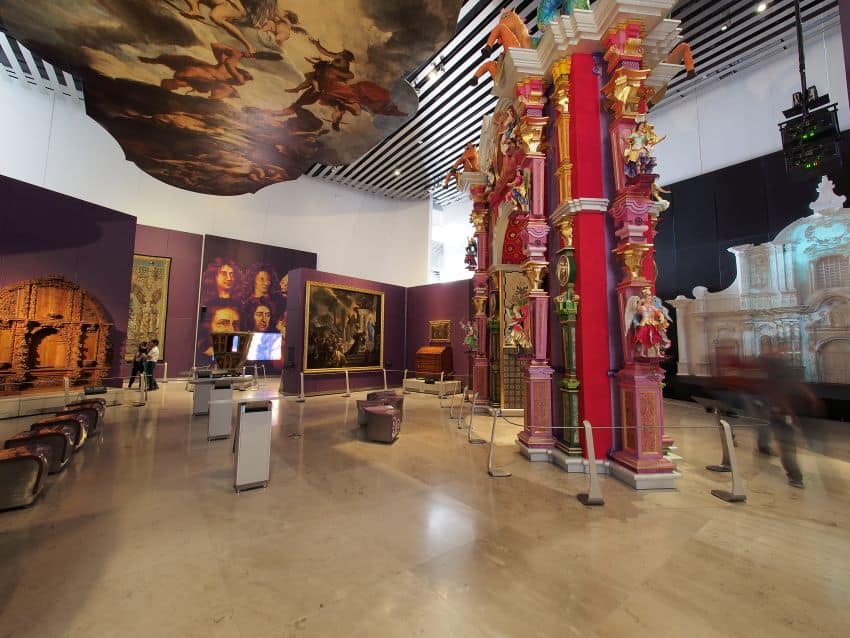
This striking contemporary museum is a visual celebration of Baroque art and architecture from the 17th and 18th centuries. Designed by Pritzker Prize-winning Japanese architect Toyo Ito, the building houses interactive exhibits and international collections from around the world. Eight themed exhibition halls surround a central courtyard and fountain, serving as a contemporary metaphor for the movement and theatricality of the Baroque period.
- Perfect for: Architecture enthusiasts, art historians and families
- Cost: General admission is 100 pesos per person
- Address: Blvd. Atlixcáyotl 2501, Col. Reserva Territorial Atlixcáyotl
Don’t miss: Admiring the building itself. The contemporary masterpiece is made up of concrete curves and innovative exhibition spaces, with natural light pouring through the ceiling.
Museo de Arte Popular Ex Convento de Santa Rosa
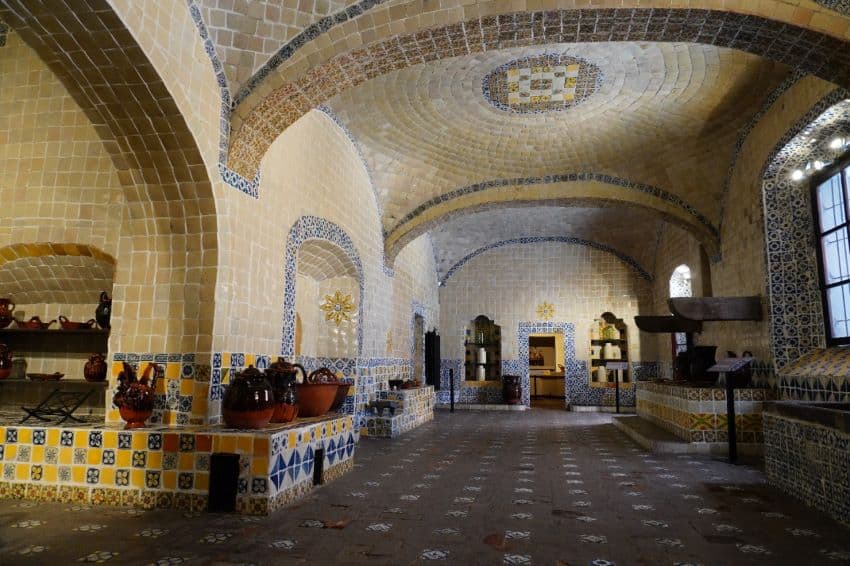
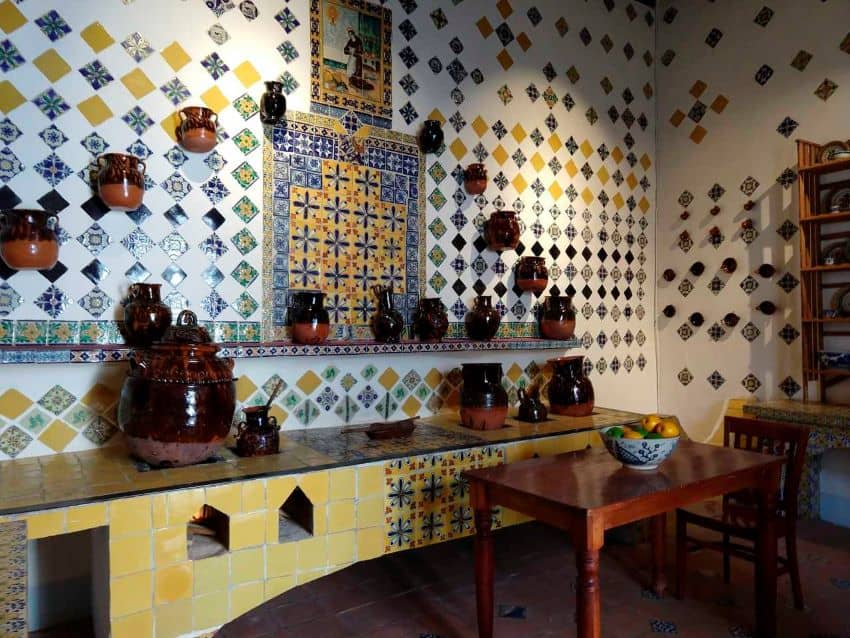
Housed in a Baroque building that dates back to 1698, what is now a museum originally served as a béguinage for Dominican nuns before becoming a convent. Over the centuries, the building’s purpose shifted from military barracks to a psychiatric hospital for men and even became an apartment complex before its restoration as a museum in 1973. The rooms inside showcase crafts and traditions hailing from Puebla’s seven indigenous regions, as well as exhibits on Talavera ceramics, traditional festivals and regional dances.
- Perfect for: Fans of folk art, crafts and Mexican traditions.
- Cost: General admission is 48 pesos per person
- Address: Calle 3 Norte 1210, Centro Histórico
Don’t miss: The legendary Talavera-tiled kitchen where, legend has it, Sister Andrea de la Asunción created the first mole poblano.
Museo de Arte San Pedro
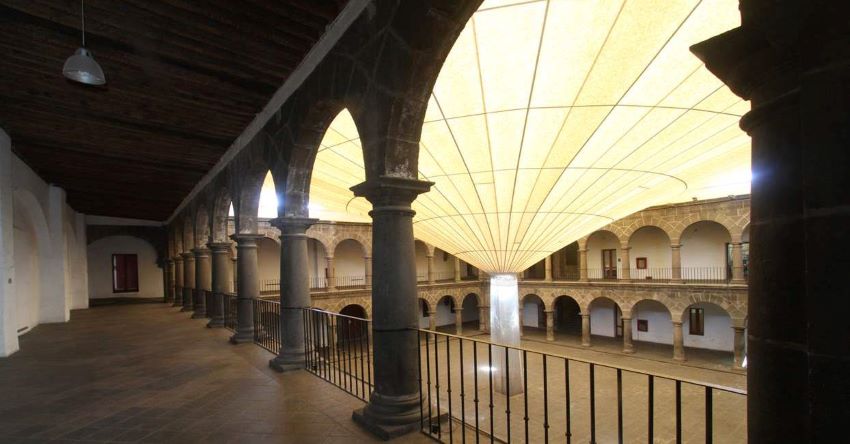
A 16th-century hospital, San Pedro is a museum distinguished by an elegant double-arched quarry stone courtyard, said to be the second largest in Puebla. The museum’s five main exhibition halls span more than 1000 square meters and include a permanent gallery of sacred art. Novohispanic and 19th-century art lead the collection, with works by renowned artists such as Miguel Jerónimo Zendejas, Vicente Manuel Talavera, Luis Berrueco and Gaspar Conrado.
- Perfect for: Art enthusiasts, colonial history lovers, and cultural event seekers.
- Cost: General admission is 48 pesos per person
- Address: Calle 4 Norte 203, Centro Histórico
Don’t miss: The recreation of the hospital’s historic apothecary, which served the community for more than 350 years.
Museo de la Revolución (Casa de los Hermanos Serdán)
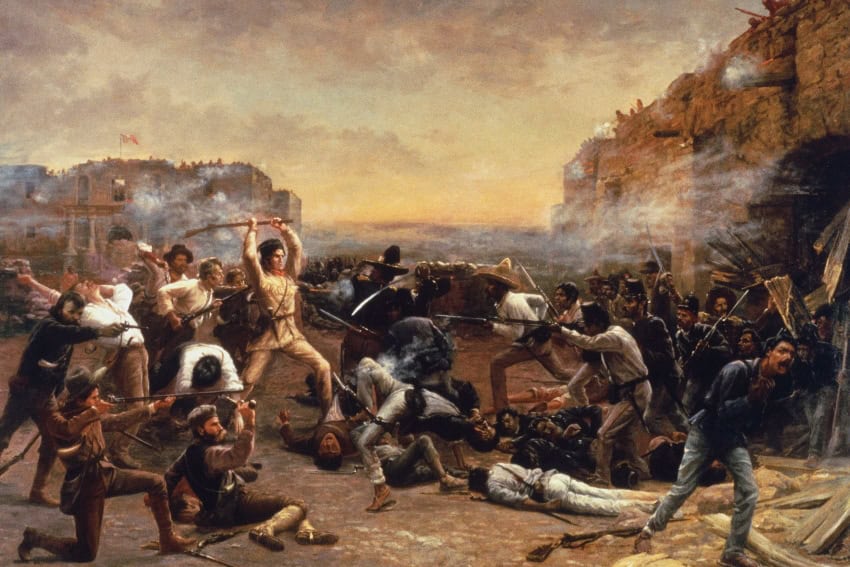
Walk through the very home where the first shots of the Mexican Revolution were fired. The Serdán family, accused of stockpiling weapons and planning an uprising against then-President Porfirio Díaz, attempted to resist a government raid on November 18, 1910, which ended in tragedy. Walk through the perfectly-preserved shoe workshop, bedrooms, kitchen and the very spot where Aquiles Serdán hid before he was discovered and killed.
- Perfect for: Families and those interested in the Mexican Revolution.
- Cost: General admission is 48 pesos per person
- Address: Av. 6 Oriente 206, Centro Histórico
Don’t miss: The unmistakable bullet holes throughout the house and on the facade, a symbol of the Revolution’s undeniable impact on Mexican history.
Casa de Alfeñique
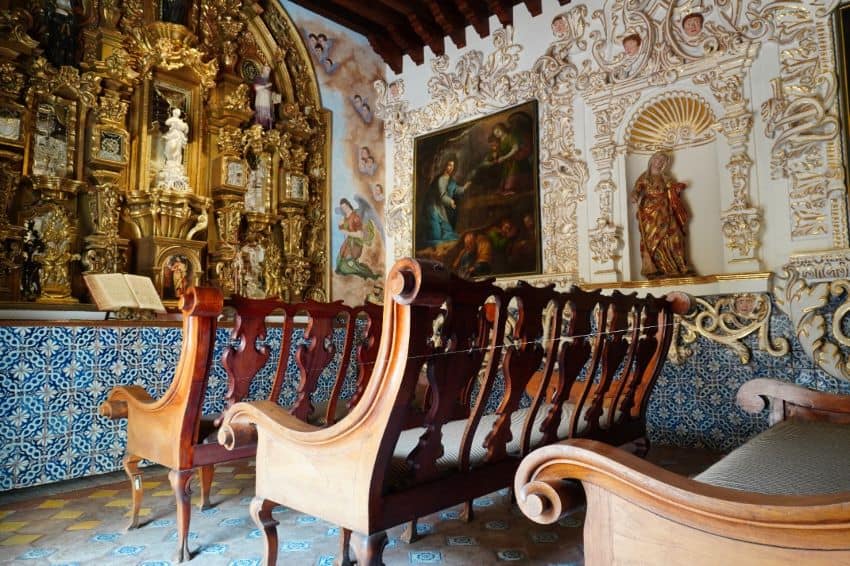
Another Baroque-mansion-turned-museum, the Casa de Alfeñique was constructed in the late 18th century and named after the elaborate white stucco facade resembling the traditional Spanish sweet alfeñique, a concoction of sugar, egg whites and almonds. Admire over 1,500 pieces on display across 16 exhibition rooms which include period furniture, Talavera ceramics, religious oils and other pieces illustrating daily life in Puebla during the 18th and 19th centuries, scattered through a charming museum.
- Perfect for: Architecture aficionados and regional history enthusiasts
- Cost: General admission is 48 pesos per person
- Address: Calle 4 Oriente 416, Centro Histórico
Don’t miss: The exhibit of historic artifacts including carriages, local gastronomy and period clothing.
Capilla del Arte UDLAP
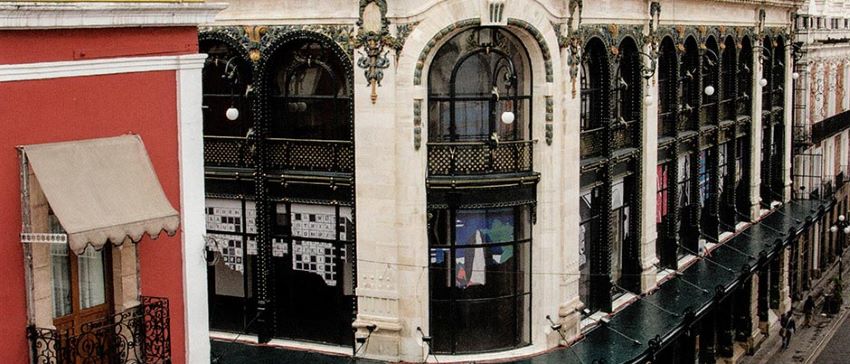
This architectural gem belonging to the Universidad de las Américas Puebla (UDLAP) features an eclectic French-inspired iron and glass structure imported directly from Paris. Once known as the Fábricas de Francia, the space now hosts a contemporary art gallery, artistic forum and mini reading area, regularly hosting national and international exhibitions, concerts, art cinema, lectures and family-friendly performances, all free to enter.
- Perfect for: Contemporary art lovers and students
- Cost: Free to enter
- Address: Calle 2 Norte 1204, Centro Histórico
Don’t miss: The regular cultural events calendar that includes musical Wednesdays, dance and film Fridays and creative Sundays.
Biblioteca Palafoxiana
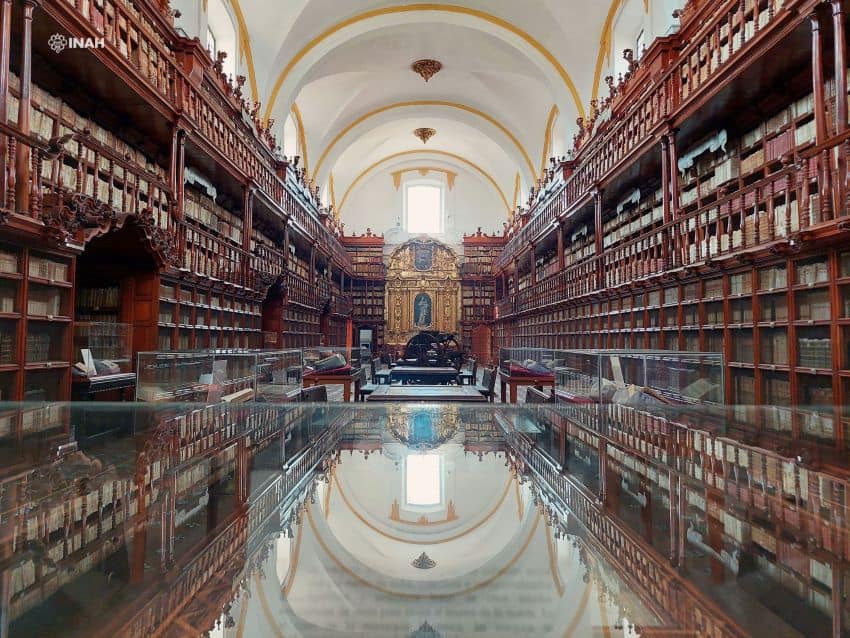
This Unesco-recognized library was founded in 1646 and was the first public library in the Americas. Inside are more than 45,000 rare books and manuscripts, including nine books printed before the year 1500 and eight of Mexico’s earliest printed works. The library’s furnishings and organizational structure have remained virtually unchanged for over two centuries, offering a true feel of colonial Mexico’s scholarly world. While it’s hard to categorize, this is probably the most historically important museum in Puebla.
- Perfect for: Bibliophiles, researchers and history lovers
- Cost: General admission is 40 pesos per person.
- Address: Calle 5 Oriente 5, Centro Histórico
Don’t miss: The 1493 Nuremberg Chronicle, one of the earliest illustrated books in the world and an exceptionally rare incunabulum featuring over 2,000 engravings.
Casa del Deán
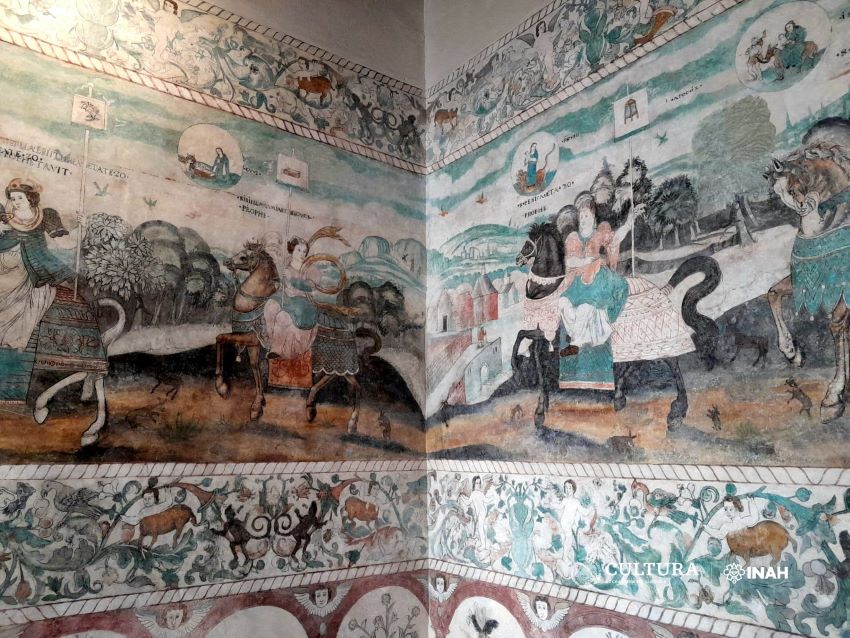
A mansion built in the late 16th century, the Casa del Deán is celebrated for housing murals considered among the finest examples of Renaissance art in the Americas. Much of the original structure was destroyed in the 1950s, though two rooms upstairs survived and are adorned with bright frescoes, earning it the nickname of “Sistine Chapel of the New World”. The blend of Renaissance and Indigenous motifs reflects the house’s Spanish owner and the local artists who decorated it.
- Perfect for: Art buffs and architecture lovers
- Cost: General admission is 75 pesos per person
- Address: Calle 16 de Septiembre 505, Centro Histórico
Don’t miss: The upstairs murals “The Procession of the Sibyls” and the “The Triumphs,” based on the poems of Petrarch.
Museo Fuerte de Guadalupe
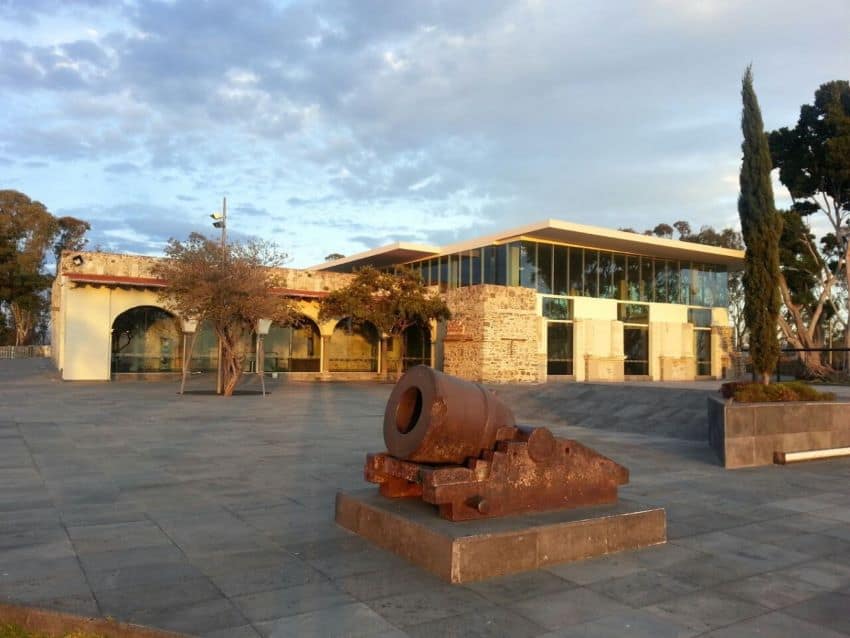
Located on top of a hill in a historic fort, this museum showcases the fortress’s crucial role in the Battle of Puebla in 1862. Exhibits trace the site’s evolution from a colonial-era chapel to a defensive stronghold against French invasion. Walk through interactive exhibits, admire 19th- and 20th-century artifacts and immerse yourself in a large outdoor diorama that recreates scenes from the famous battle of Cinco de Mayo.
- Perfect for: Military history fans and families
- Cost: General admission is 75 pesos per person
- Address: Av. Ejércitos de Oriente S/N, Centro Cívico Cinco de Mayo
Don’t miss: Panoramic views of downtown Puebla from the top of Acueye Metepec hill.
Bethany Platanella is a Mexico City–based travel writer passionate about local markets, yoga, mangos, and the thrill of new adventures. Discover her latest guides and insider tips at aweekendawayin.com and
Source: Mexico News Daily