From a long list of internationally recognized, design-forward boutique hotels, I visited 20 properties and asked 18 hoteliers and hotel managers to name their favorite stay in Mexico City. There was only one condition: they couldn’t pick their own. To understand their selections, it’s worth tracing how Mexico City’s boutique scene developed from much humbler beginnings.
Evolution of Mexico City’s boutique scene
From Olympic Hospitality to economic crisis
Through the 1980s and 1990s, Mexico City’s hotel scene was limited to pensiones and upscale chains along Reforma and in Polanco, like the Presidente InterContinental Mexico City. Following the city’s selection as host for the 1968 Olympics, notable properties appeared, including Camino Real Polanco — considered a modern Mexican masterpiece at the time — and the Gran Hotel Ciudad de México, a Neoclassical beauty converted from a 19th-century shopping mall. The city’s reputation for hospitality was taking shape, but within narrow confines.
This foundation would soon be tested. The 1980s brought dramatic shifts to the capital’s tourism landscape through a combination of national debt crisis, inflation and the devastating 1985 earthquake. A temporary drop in visitor numbers devastated the tourism sector, and 20% of the city’s hotels would be destroyed. This destruction sparked an important trend: private investors and federal authorities began pouring substantial resources into rebuilding and modernizing the damaged center zone, investments that would eventually establish Mexico City’s dominant role as a cultural hub and business destination.
The birth of boutique hospitality
The stage was set for boutique hospitality through rapid neighborhood gentrification (especially in Roma, Condesa, Juárez and Polanco), a surge in international tourism, and a wave of architectural restoration that turned historic mansions into design-forward properties.


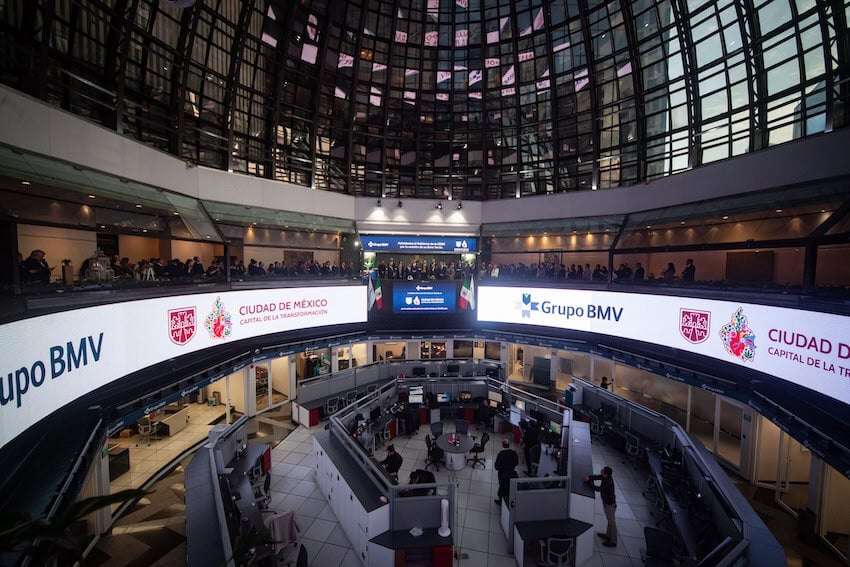

Perhaps the most catalytic factor in Mexico’s hospitality scene was the founding of Hoteles Boutique de México in 1999. The marketing organization promoted a consortium of small, upscale, independent hotels throughout the country, chosen for their distinctive character and personalized service; details otherwise drowned out by standardized chains. Canadian-born founder John Youden selected about one dozen member properties to launch the nationwide portfolio, including Mesones Sacristía de la Compañía in Puebla, which remains a member today. Notably, no hotel in Mexico City made the initial cut.
The Condesa DF breakthrough
The breakthrough came in 2005 with Condesa DF. Housed in a 1928 French Neoclassical mansion on a tree-lined avenue in Condesa, Grupo Habita and Paris-based designer India Mahdavi transformed the property into a minimalist masterpiece inside while preserving the structure’s historic facade. Its central courtyard and rooftop terrace overlooking Parque España quickly established the hotel among Mexico City’s premier stays while cementing Condesa’s reputation as a nexus for architecture, fashion and contemporary art.
Today’s boutique landscape
Since then, the capital’s boutique hotel scene has flourished dramatically. Properties reflect their neighborhoods’ distinct characters: Condesa and Roma capitalize on Art Deco or Belle Époque facades; Polanco properties lean toward luxury; Historic Center properties emphasize their historical significance. As Colima 71’s owner told me during a walk through the iconic, contemporary enclave on the street of the same name, “boutique hotels are a business of details.” Attention to detail that often includes Mexican amenities, welcome treats like locally-inspired drinks and Mexican art on the walls. This focus on design details helps explain why such hotels attract recognition from respected collections like Design Hotels and Small Luxury Hotels.
Today, major publications including Condé Nast Traveler, Vogue and The New York Times frame Mexico City’s new generation of boutique hotels as integral to its status as a global style and food capital. It should come as no surprise that, simultaneously, the boutique scene has become much more expensive in recent years. One STR report showed average room rates during the 2024 Independence Day period about 20% higher than the year before, and ranks Mexico City among the country’s fastest‑rising markets.
With this impressive and growing landscape of boutique properties established across Mexico City’s most culturally rich neighborhoods, I wondered which ones industry professionals themselves hold in the highest regard. Two names were mentioned with notable consistency: Brick and Casa Polanco.
Brick Hotel
Neighborhood integration
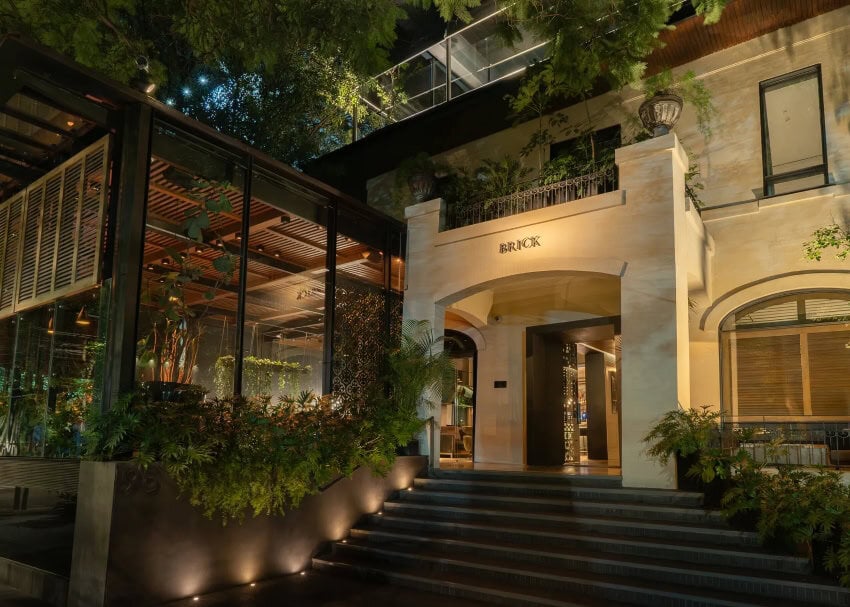
Brick’s location on Calle Orizaba puts it among neighbors that sit shoulder-to-shoulder with low-key cafes and bars, giving the block an immediately walkable, neighborhood feel rather than a “hotel zone” vibe. The hotel’s turn-of-the-century brick façade, with tall windows and wrought-iron details, reads more like a stylish private residence than a commercial building. So it slips naturally into Roma Norte’s architectural rhythm of preserved Porfiriano houses and discreet, design-forward storefronts. That subtlety is part of the first impression: Brick doesn’t dominate the street; it mirrors the neighborhood’s mix of history and reinvention.
Architecture and design
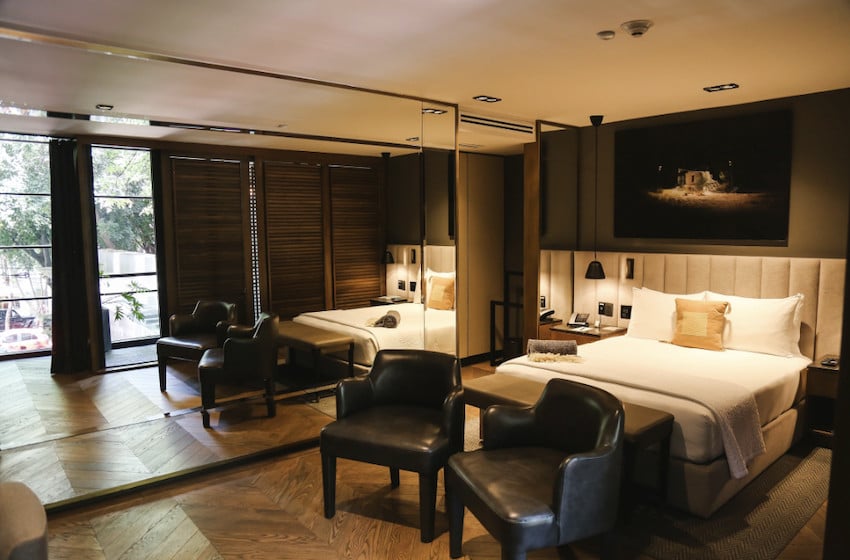
Like many of Mexico City’s most emblematic boutiques, Brick occupies an early‑20th‑century mansion in the European‑influenced Roma neighborhood, originally built for the head of the Bank of London & Mexico using distinctive bricks imported from England. After a meticulous renovation, the current hotel blends preserved Belle Époque bones with contemporary Mexican design, art and custom furniture. Suites — including some bilevel spaces with private terraces overlooking the streets — sit within the elegantly restored main house, complemented by a more modern section with sleek, neutrally toned rooms, generous windows and multiple shared terraces that reinforce its discreet, grown‑up atmosphere.
The Guest Experience
The hotel attracts a stylish adult crowd, drawing wedding parties and couples alongside seasoned travelers seeking a local feel rather than traditional sightseeing experiences. Most hoteliers who recommended Brick described it simply as “classic” — a property that delivers high-end hospitality through a calm, monochrome, design-forward look with darker accents and neutral tones.
Casa Polanco
Park-side elegance
Casa Polanco commands one of Mexico City’s most prestigious park‑front addresses in Polanco, with its cream‑toned, Spanish Revival–style façade, balconies and tall windows looking directly onto Parque Lincoln. The property preserves the feel of a grand mid‑20th‑century private residence rather than a conventional hotel, and outlets like Travel + Leisure and the Michelin Guide repeatedly single it out as one of Polanco’s standout boutique lodgings.
Residential architecture
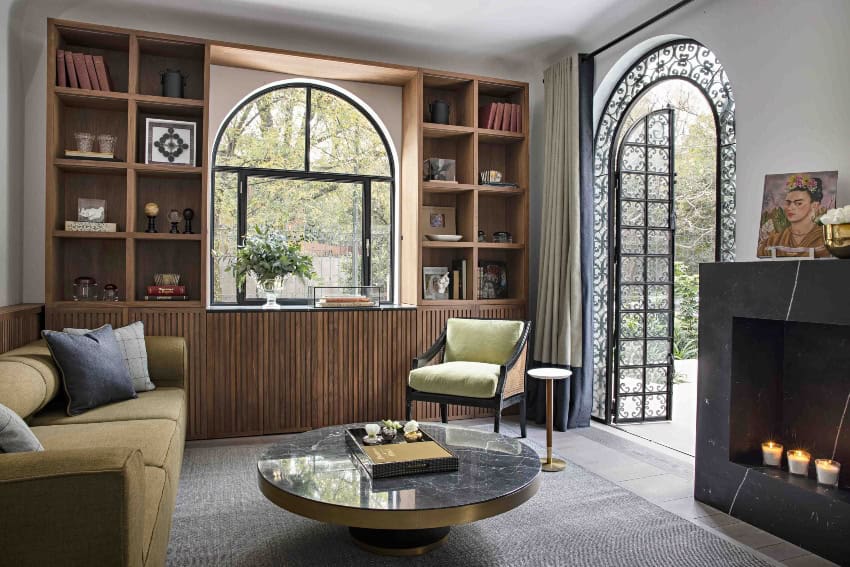
The architecture showcases cream-colored stucco walls, ornamental Juliette balconies and tall, arched French windows, while interiors feature high ceilings, elegant staircases and original moldings paired with contemporary interventions like large steel-framed interior windows and minimalist custom millwork.
As a small luxury property with fewer than 25 rooms and suites offering park views and balconies, Casa Polanco emphasizes privacy, quiet and understated luxury. The property showcases Mexican design and craftsmanship through stonework, textiles and art integrated throughout its polished framework.
My personal favorites
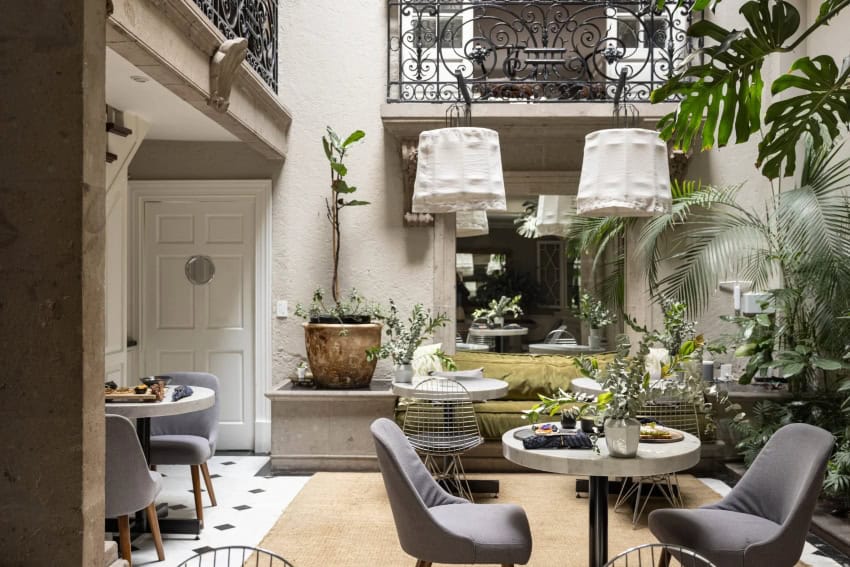
While these represented the hoteliers’ clear consensus, my personal research revealed other exceptional properties. During my visits, I found myself particularly drawn to Casa Ignacia — a discreet oasis where a team of eight has remained together since the hotel’s opening, creating an atmosphere enhanced by bold colors, leafy courtyards and a rooftop hot tub. I also like Nima Local House, a four-room stone-walled mansion featuring tiled floors, wrought-iron balconies and a serene palette of whites and grays punctuated by abundant greenery.
Which one is for you?
Brick suits travelers seeking immersion in Roma Norte’s restaurant and bar scene, offering a buzzy social atmosphere within an authentic urban townhouse setting. Casa Polanco appeals to those prioritizing quiet luxury, park views and personalized service alongside sophisticated Mexican craftsmanship.
For those drawn to more intimate, design-forward experiences, Casa Ignacia offers vibrant charm with exceptional personal service, while Nima Local House provides serene minimalism in a four-room setting. Both represent the smaller-scale, character-rich properties that make Mexico City’s boutique scene so distinctive.
Bethany Platanella is a travel planner and lifestyle writer based in Mexico City. She lives for the dopamine hit that comes directly after booking a plane ticket, exploring local markets, practicing yoga and munching on fresh tortillas. Sign up to receive her Sunday Love Letters to your inbox, peruse her blog or follow her on Instagram.
Source: Mexico News Daily