It’s almost impossible to envision certain cities without their parks and their unique personalities. How much of our collective imagination regarding New York City is tied to Central Park? What about Hyde Park in London or Bosque de Chapultepec in Mexico City? Landscape architecture is not only a human right but also a cultural treasure that enhances life and mental well-being within urban spaces.
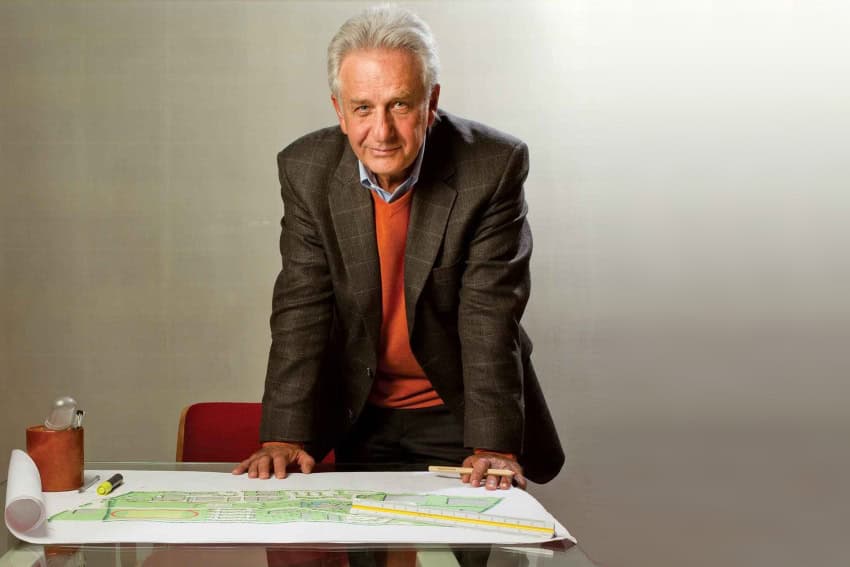
In Mexico, one of the foremost minds behind this art is Mario Schjetnan. “If you want to develop a new site or area, you should start with a park,” is one of his more popular quotes. Schjetnan understands that we are both nature and architecture, and that without nature, architecture can become detrimental to our health.
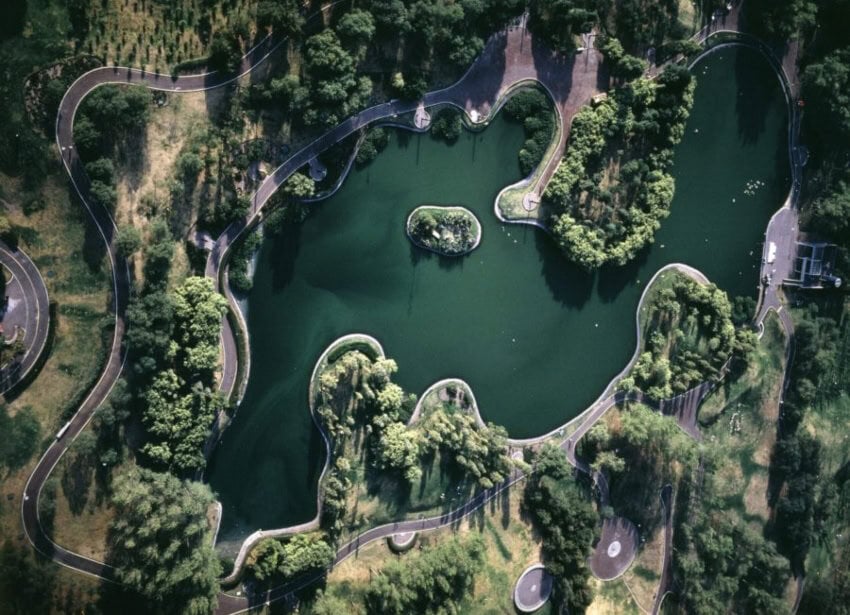
An icon of landscape architecture, Schjetnan has left an indelible mark on the history of the discipline in Mexico, starting with his first project in 1979: the legendary Tezozómoc Park, inspired by the ancient Lake Texcoco. Schjetnan views open spaces as a “human right” and a means to “improve livability in the poorest sectors of Mexico and Latin America, promoting social justice and urban equity, while enriching the wealthiest areas.”
A journey through the work of Schjetnan
Environmental awareness, cultural memory and quality of life all converge in the work of Mario Schjetnan. He studied architecture at the National Autonomous University of Mexico and earned a Master of Landscape Architecture from the University of California, Berkeley. In 1977, he co-founded the Urban Design Group with architects José Luis Pérez, Irma Schjetnan (his wife) and Letty Pérez. The firm has designed numerous parks in Mexico, Latin America, the Middle East, China and the U.S.

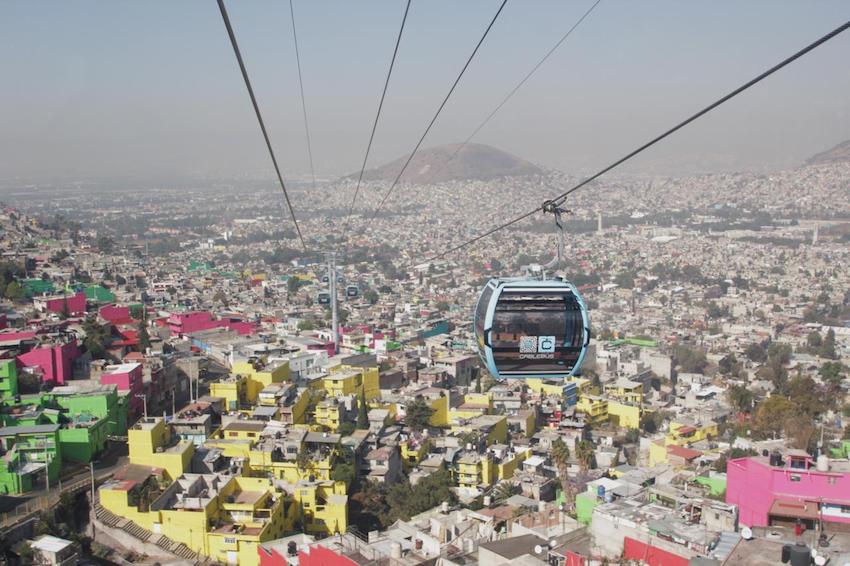


To illustrate the breadth of his influence on Mexican urbanism and architecture, he served as the first director of urban and housing design at INFONAVIT, the Mexican government’s social housing institution, in 1972, overseeing projects in 110 Mexican cities and producing approximately 100,000 housing units.
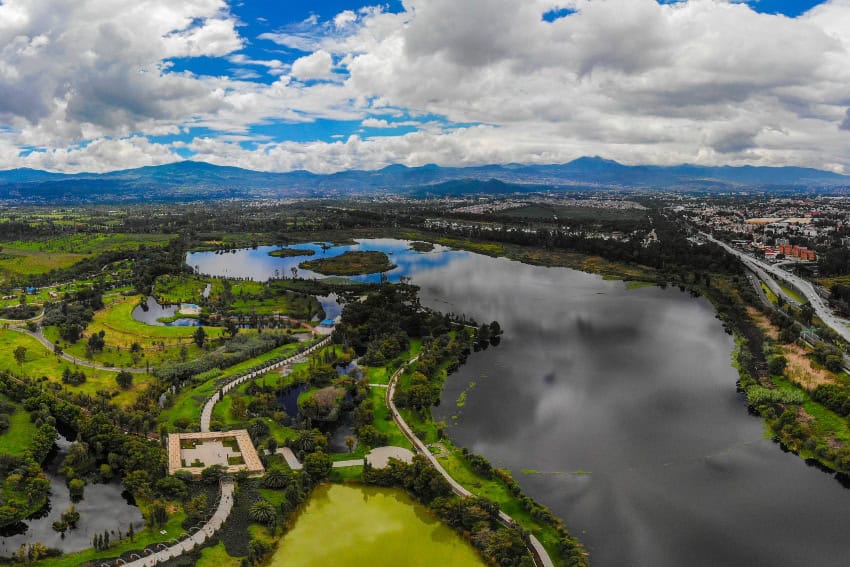
His most significant works include projects that conserve essential ecosystems, such as the restoration of Chapultepec Forest, Xochimilco Ecological Park and Copalita Eco-Archaeological Park. He has also created remarkable urban parks on reclaimed industrial sites, including La Mexicana Park and Bicentennial Park in Mexico City.
For instance, Tezozómoc Park recreates the lake that once surrounded Tenochtitlán in pre-Hispanic times and now serves as a sanctuary for birds and the unique axolotl. The Xochimilco Ecological Park is associated with restoring the productive chinampa area, a pre-Hispanic method of cultivating floating terraces, earning recognition as a World Heritage Site by UNESCO. Additionally, the Copalita Eco-Archaeological Park is invaluable for archaeological and environmental conservation on the beaches of Oaxaca.
Likewise noteworthy is Itzicuaro Park in Michoacán, a groundbreaking example of landscape architecture due to its dual function as an ecological and productive space. It is based on five bodies of water that sequentially treat wastewater, with areas allocated for the commercial cultivation of trees, plants and vegetables.
A multi-award career
Mario Schjetnan has undoubtedly impacted contemporary Mexican landscape architecture, and his influence transcends borders. According to The Cultural Landscape Foundation, Schjetnan “belongs to a generation of landscape architects, architects and urban planners who recognized the environmental impacts of urban development and its consequences for life on the planet.”
This year, Schjetnan and the Urban Design Group received the Cornelia Hahn Oberlander International Landscape Architecture Award. This biennial award, established in 2014, aims to increase visibility, understanding, appreciation and dialogue surrounding landscape architecture. Schjetnan and the Urban Design Group are the first Latin Americans to receive this honor.
Additional accolades include the Holcim Foundation Award in 2008 for the Itzácuaro Park project, which created new job opportunities for community farmers, installed an effective flood control system and revitalized a heavily polluted drainage channel. He was also awarded the Sir Geoffrey Jellicoe Award, the highest honor from the International Federation of Landscape Architects, in 2015, and the Elise and Walter A. Haas International Award in 2019, which recognizes Berkeley alumni living abroad who have achieved career success.
Mario Schjetnan’s work is guided by an unquestionable talent and a philosophy that unites humans and nature. His creations resonate with numerous sensitivities, dignifying cultural heritage and emphasizing the power of imagination, as well as the beauty and healing properties of nature, while respecting its balance.
Ana Paula de la Torre is a Mexican journalist and collaborator for various outlets, including Milenio, Animal Político, Vice, Newsweek en Español, Televisa and Mexico News Daily.
Source: Mexico News Daily