INDIA RELUCTANT TO RETURN TO PRE-PANDEMIC DYNAMICS
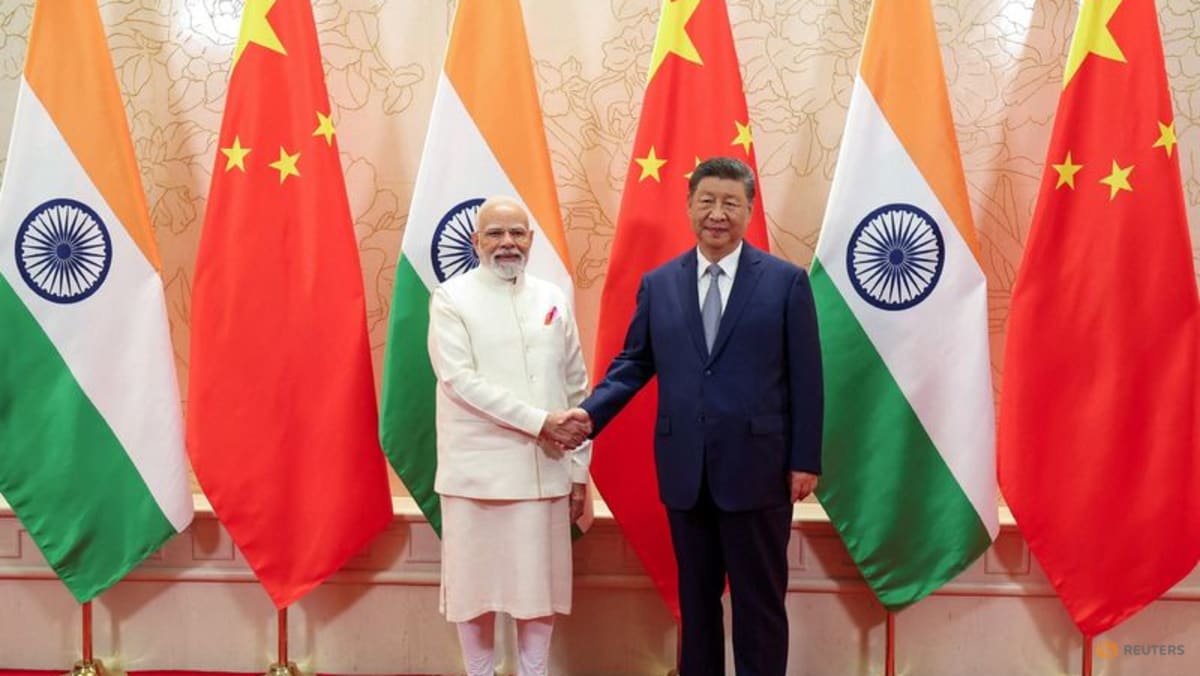
But while both leaders have lauded the return of economic activity and closer ties with the resumption of direct flights, Modi will be reluctant to return to the pre-pandemic dynamics of Chinese airline dominance and an over-reliance on Delhi-China routes.
Before the pandemic, Chinese state-owned carriers dominated the India-China market, operating between 72 to 80 per cent of the 539 direct services in December 2019. The imbalance was due to China’s larger and state-backed aviation market as well as India’s convoluted (though now repealed) “Five and 20” rule that forced Indian carriers to operate domestic routes for five years with 20 aircraft before being allowed to operate international routes.
Moreover, most India-China flights were focused primarily on travel between India’s capital Delhi and a range of major Chinese cities such as Beijing, Shanghai, Chengdu and Guangzhou. In fact, the last commercial flight between the two travelled from Delhi to Shanghai on Mar 20, 2020.
The Indian government has recently been on an airport construction boom, commissioning billion-dollar, starchitect-designed airports in Delhi, Mumbai, Bengaluru and elsewhere in anticipation of an aviation market boom in India. Modi will be keen to diversify routes beyond Delhi to spread the economic benefits of air connectivity more evenly across India’s regions and his supporters.
In addition to big business for its airlines, Beijing will also be eager to showcase and sell India its COMAC C919, a domestically manufactured passenger jet that represents Xi’s prestige project and decades of state-led investment. While the aircraft has been a centrepiece of recent air shows in Asia, it has yet to secure any foreign buyers. Selling the COMAC C919 to India would be a prestige coup and reinforce Xi Jinping’s narrative of technological self-sufficiency.
Modi, meanwhile, has spoken of an Asian-manufactured jet aircraft and ambitious plans for India’s national carrier, though such a purchase would not align with his government’s “Make in India” agenda. Regardless, selling the COMAC C919 will likely remain on Xi’s mind in his relationship with Modi over the next few years.
The return of direct flights between India and China should be seen less as an end, rather a means of managing a fraught relationship. For policymakers, the real question is whether this narrow reopening can become a foundation for broader, if still cautious, meaningful engagement between the two neighbours. But for travellers and businesses, the reopening of direct flights between India and China is most certainly welcome news.
Kazimier Lim is an MPhil/PhD scholar at the LSE Department of International Relations. This commentary first appeared on Lowy Institute’s The Interpreter.
Source: CNA