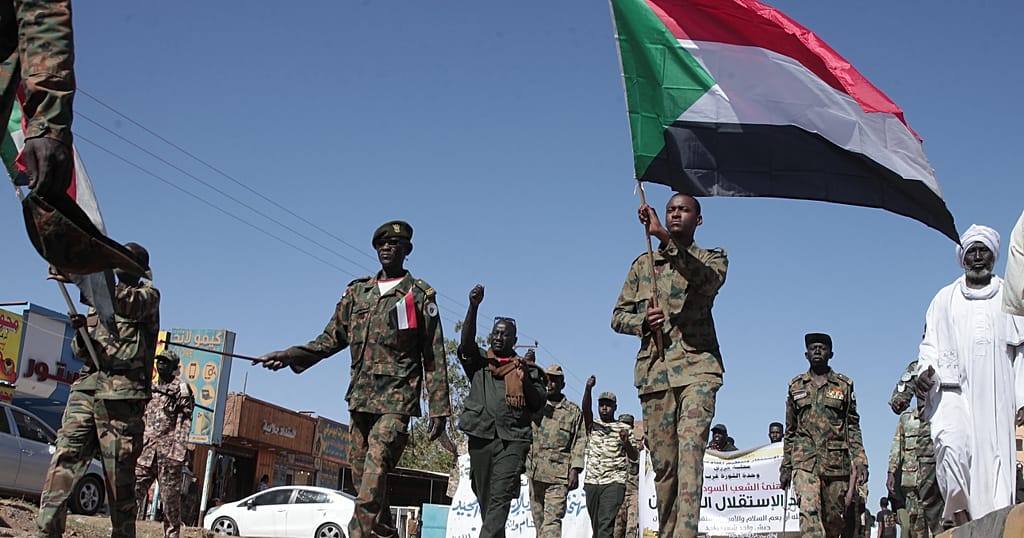
The United Nations on Wednesday said “the already catastrophic situation” in Sudan has worsened since the last Security Council briefing just weeks ago and that famine is now a reality in several parts of the country.
The Office for the Coordination of Humanitarian Affairs (OCHA) said nearly two years of conflict between the army and the paramilitary Rapid Support Forces has inflicted immense suffering and turned parts of the country into “a hellscape”.
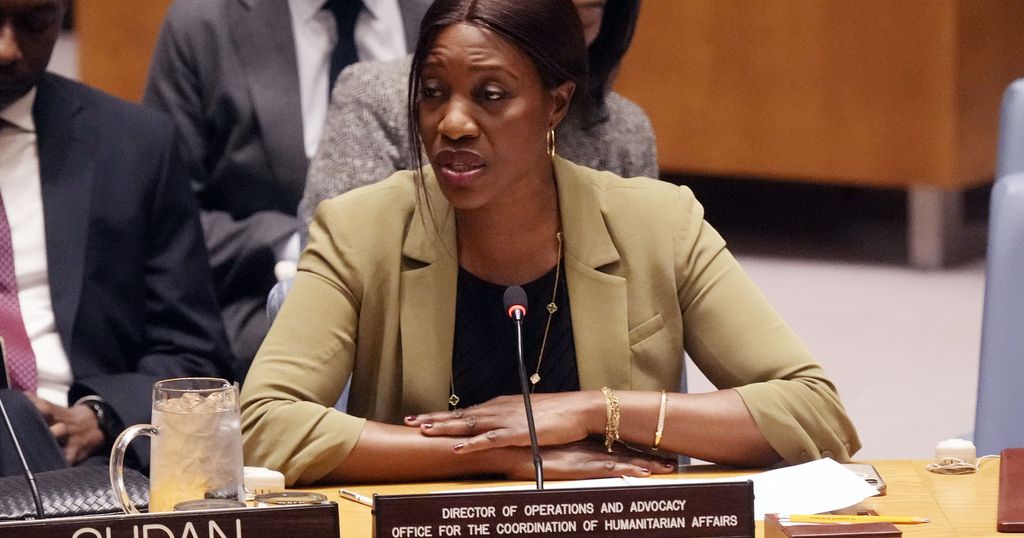
“More than 12 million people displaced, including 3.4 million who have fled across Sudan’s borders. More than half of the country – 24.6 million people – experiencing acute hunger,” OCHA Director of Operations and Advocacy, Edem Wosornu, told the Council


“A collapse of health services. Millions of traumatised children cut off from formal education. Relentless patterns of sexual violence,” she said.
But despite widespread starvation and huge humanitarian needs, aid providers have suspended operations at the largest displacement camp, Zamzam, because of intense fighting.
More than half a million people have taken refuge there.
“On Monday, Médecins Sans Frontières (MSF), the main provider of health and nutrition services in Zamzam, announced that it has been forced to halt its operations in the camp due to the deteriorating security situation,” she said.
Wosornu also said the World Food Programme has confirmed the suspension of voucher-based food assistance in the camp, due to the security situation and the destruction of the market.
She urged the Security Council to take immediate action to ensure all actors abide by international humanitarian law and protect civilians in the camp and beyond.
Meanwhile, the UN Human Rights Office has confirmed reports of summary executions in areas that have changed hands, raising alarms about war crimes.
Sudanese Ambassador Al-Harith Idriss reaffirmed his government’s commitment to facilitating humanitarian assistance and said the country is working to address its political future.
Source: Africanews