This week kicked off with a bang, after the United States attacked Venezuela on Saturday, capturing Venezuelan President Nicolás Maduro and taking him to the U.S. The strike revived fears that the U.S. could take unilateral military action against organized crime groups operating on Mexican soil, something U.S. President Trump explicitly threatened on Thursday.
Mexico also received mixed economic news, with 2025 year-end economic painting a bleak picture. But things are looking up for 2026, with improved growth forecasts and postive news on the tourism front.
Venezuela crisis dominates diplomatic agenda
The week’s most pressing international development centered on U.S. military intervention in Venezuela, which drew swift condemnation from President Sheinbaum. The Mexican leader took a firm stance against what she characterized as an unacceptable violation of Venezuelan sovereignty, even as President-elect Donald Trump ominously suggested that “something’s going to have to be done with Mexico.”
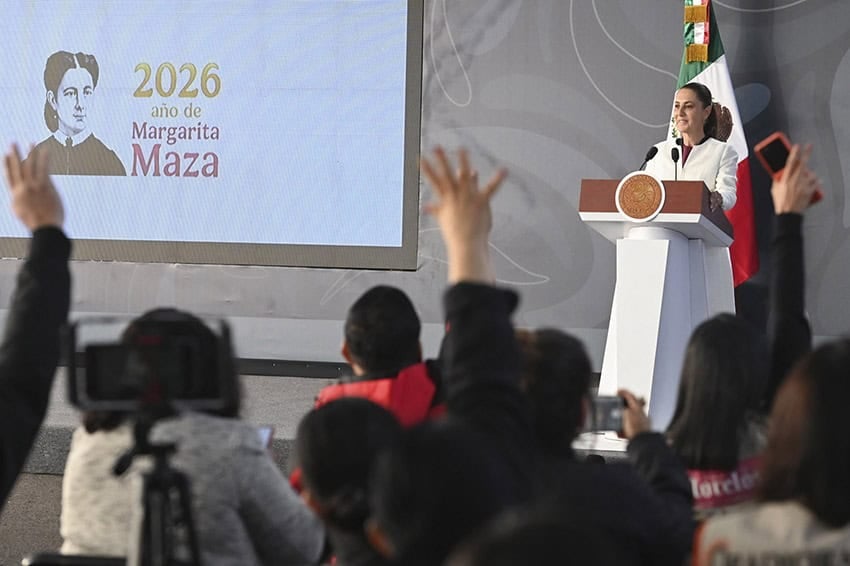
Sheinbaum doubled down on her position, asserting that intervention does not bring democracy to the people. Her principled opposition to foreign military action reflected Mexico’s longstanding doctrine of non-intervention, which she elaborated on during Wednesday’s mañanera. By Friday’s press conference, she revealed coordination with Brazilian President Lula da Silva on the Venezuela situation, showing regional leaders working together to present a unified Latin American response. The president also called for a fair trial for Venezuelan President Nicolás Maduro, advocating for due process even as international pressure mounted.



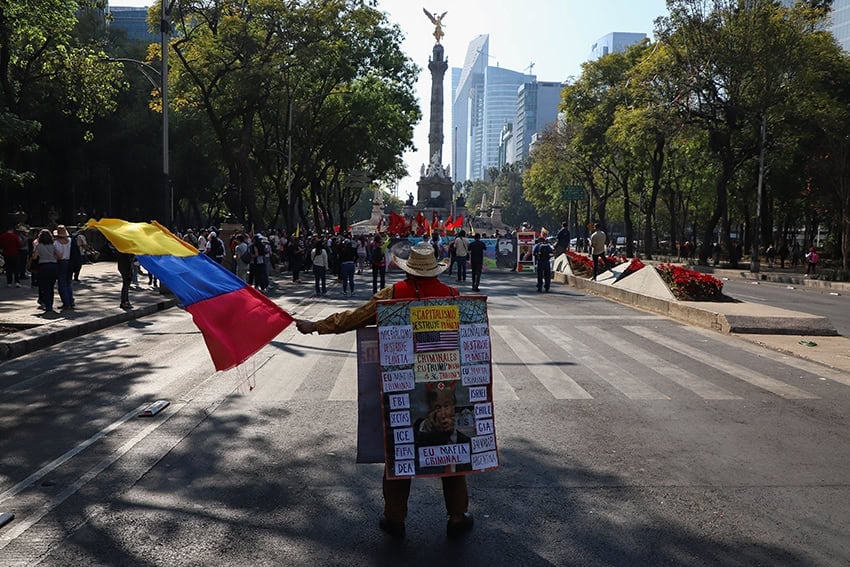
The Venezuela situation resonated deeply within Mexico, where protests erupted across both country in response to the U.S. military operation.
Meanwhile, reports confirmed that Mexico has replaced Venezuela as Cuba’s top oil supplier, underscoring the country’s growing energy role in the Caribbean and its continued support for the island nation despite international pressures.
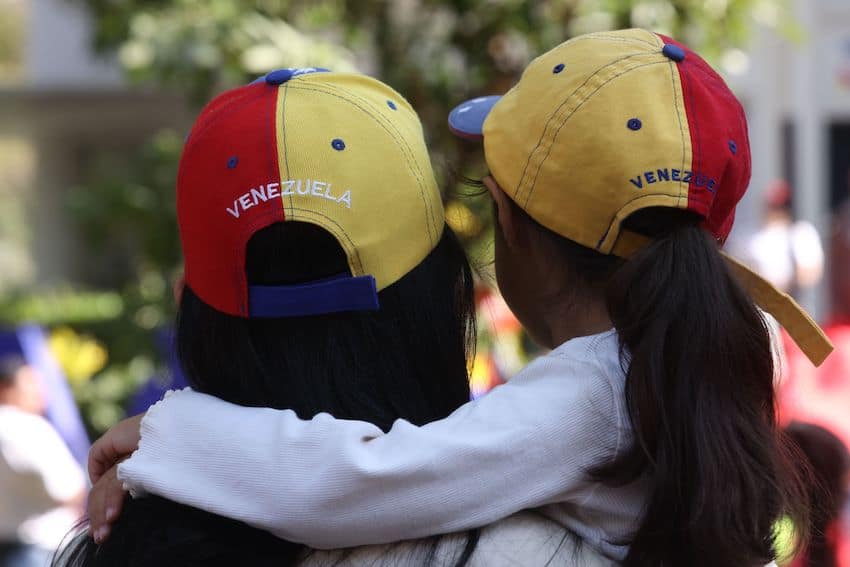
Joy meets fear as the Venezuelan community processes Maduro’s capture from Mexico
Trump threatens military action on Mexican soil
Diplomatic tension ramped up even further after President-elect Trump suggested potential land strikes on Mexican cartels, raising the specter of unilateral U.S. military action within Mexican territory. The threat represents an extraordinary escalation in rhetoric that challenges Mexican sovereignty and complicates the already difficult relationship between the two neighbors. This development, combined with Trump’s earlier comments about “doing something” about Mexico in the context of Venezuela, suggests the incoming administration may adopt an aggressive posture toward Latin America that could fundamentally reshape regional dynamics.
President Sheinbaum, however, downplayed the threats as hyperbolic. She said that Mexico seeks to maintain security cooperation with the U.S. and that “we don’t want to think about any other scenario.”
Economic indicators send mixed signals
The economic picture proved decidedly mixed. While consumer confidence fell to its lowest point since 2023, a survey of banks showed improved GDP growth projections for Mexico, indicating that financial institutions maintain confidence in the country’s medium-term economic prospects.
Labor market data presented concerns, however, as Mexico’s formal job market showed troubling signs, raising questions about employment quality and economic opportunity for Mexican workers. The formal sector’s struggles could undermine broader economic growth if not addressed.
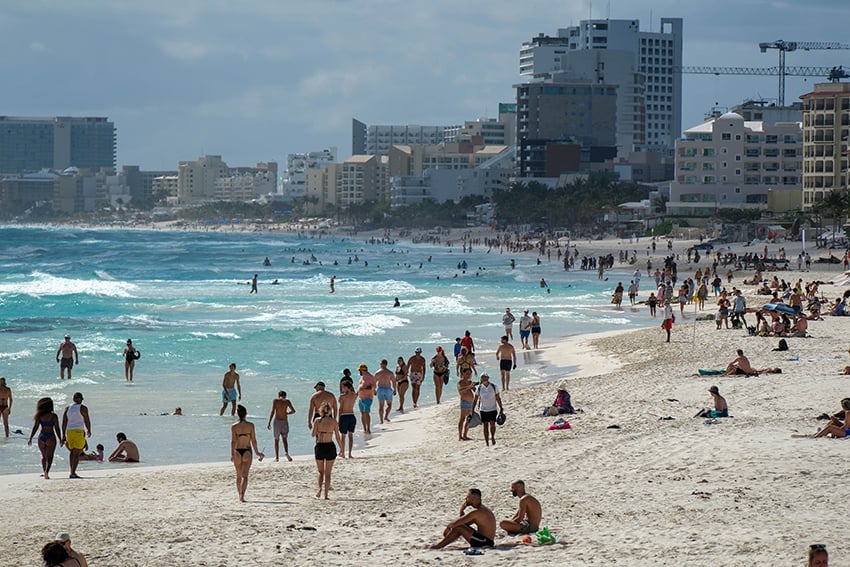
The tourism sector continued to shine as a bright spot. Tamaulipas tourism reached its highest point, demonstrating the border state’s successful efforts to overcome security concerns. Even more prestigious recognition came as The New York Times listed Querétaro as a top place to visit in 2026 and Oaxaca’s Costa Chica earned a spot on National Geographic’s 2026 travel recommendations, highlighting Mexico’s growing appeal to international travelers seeking authentic cultural experiences.
Domestic political landscape shifts
Despite mounting international pressures, Sheinbaum’s political standing appeared robust. A poll showed the president maintaining a 69% approval rating, suggesting her handling of both foreign and domestic issues continues to resonate with voters.
Sheinbaum ends first full year with 69% approval; social programs shine, security plan struggles
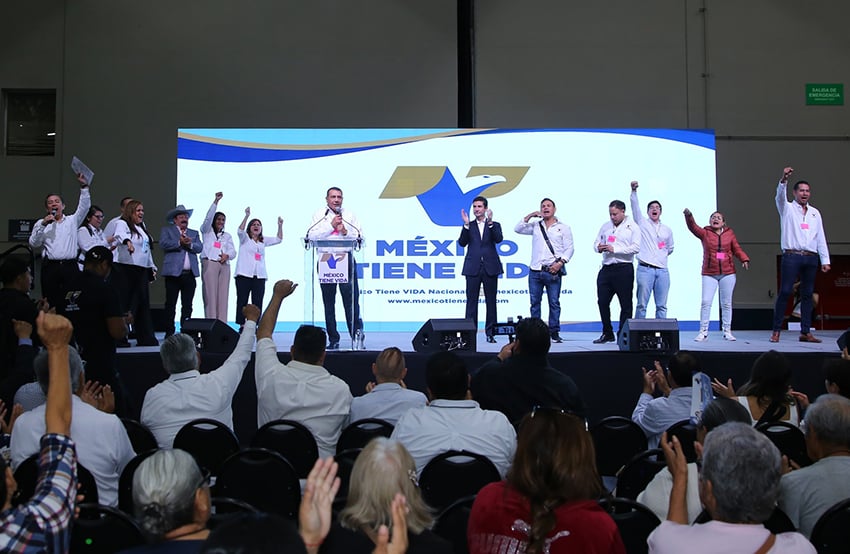
The political landscape itself saw notable developments, with the emergence of a new ultraconservative political party signaling potential challenges to Mexico’s political status quo. This development suggests Mexico’s political spectrum may be diversifying as citizens seek alternatives across the ideological range.
Urban policy and governance initiatives
In a dramatic move affecting the capital, Mexico City removed all street vendors in what appears to be a comprehensive effort to reorganize public spaces. The decision, which affects thousands of informal workers who depend on street vending for their livelihoods, has sparked debate about the balance between urban order and economic survival for the city’s most vulnerable residents.
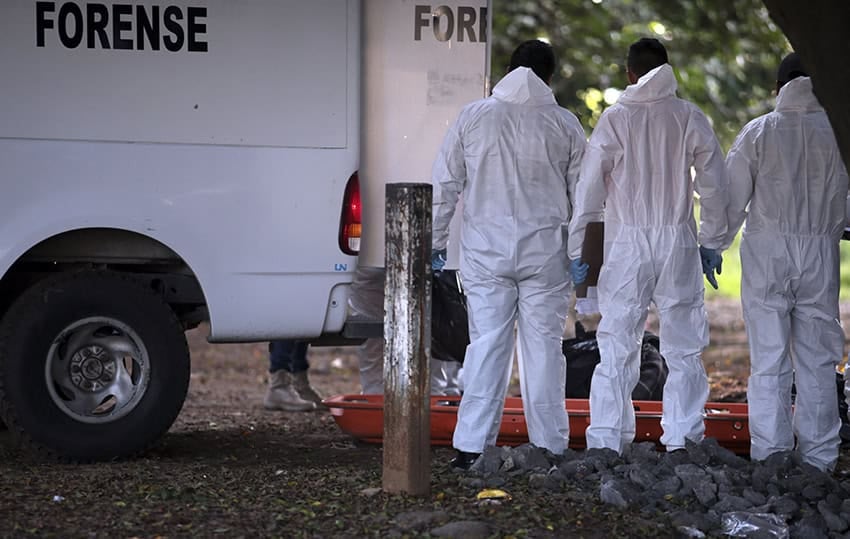
On the security front, positive news emerged as Mexico’s homicide rate showed decline in 2024, offering hope that violence reduction efforts may be gaining traction after years of elevated crime rates. The decrease, while modest, represents a potential turning point in the nation’s struggle with organized crime and violence.
On Friday, registration kicked off for a new government initiative: cell phone users in Mexico will need to register with their CURP, the country’s unique population registry code. The move aims to combat crime and fraud but has raised questions about privacy and implementation challenges.
Looking ahead
As Mexico moves deeper into 2025, President Sheinbaum faces extraordinary challenges across multiple fronts. Trump’s threats of military strikes on Mexican territory to combat cartels represent an unprecedented challenge to sovereignty that will test Mexico’s diplomatic resolve and could define the bilateral relationship for years to come. While Sheinbaum has worked to build Latin American solidarity through coordination with Brazil’s Lula and other regional leaders on the Venezuela issue, whether regional unity can withstand U.S. pressure remains uncertain.
Domestically, the picture is nuanced: Economic conditions remain challenging yet improving GDP projections, falling homicide rates and international tourism recognition suggest underlying strengths. With nearly 70% of Mexicans backing her leadership, Sheinbaum enters the new year with substantial political capital, but the convergence of domestic pressures and escalating U.S. threats may soon test the limits of that support.
This story contains summaries of original Mexico News Daily articles. The summaries were generated by Claude, then revised and fact-checked by a Mexico News Daily staff editor.
Source: Mexico News Daily