Donald Trump believes that Mexico needs to do more to combat cartels, but his ambassador in Mexico City is full of praise for what is already being done.
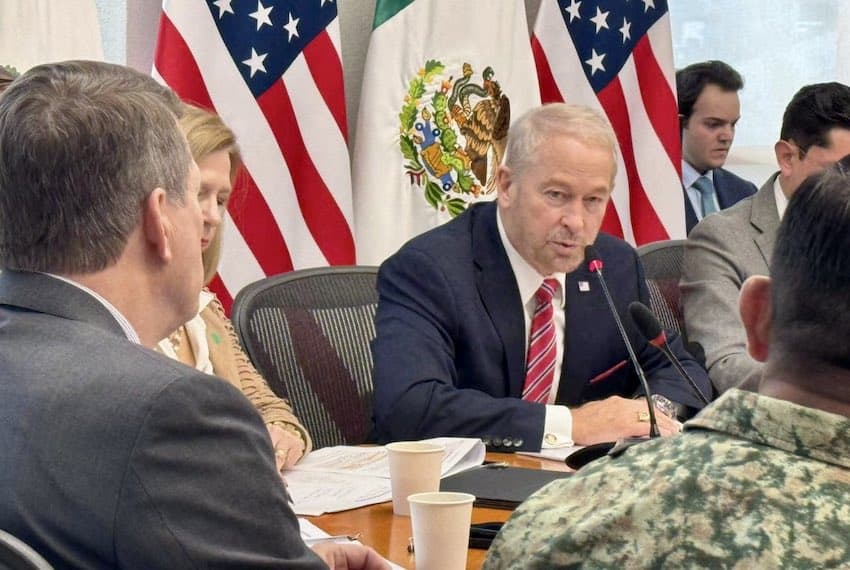
U.S. Ambassador to Mexico Ron Johnson posted twice on social media on Tuesday to acknowledge arrests made by Mexican security forces.
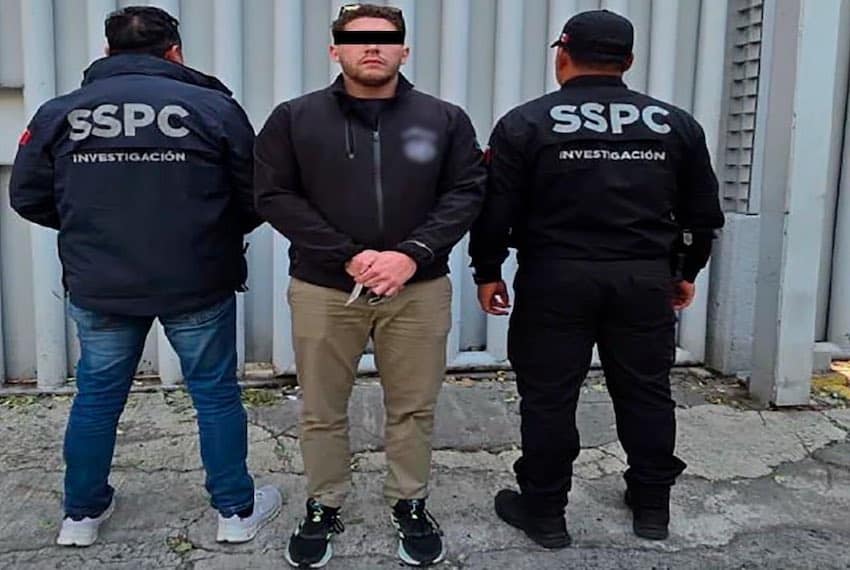
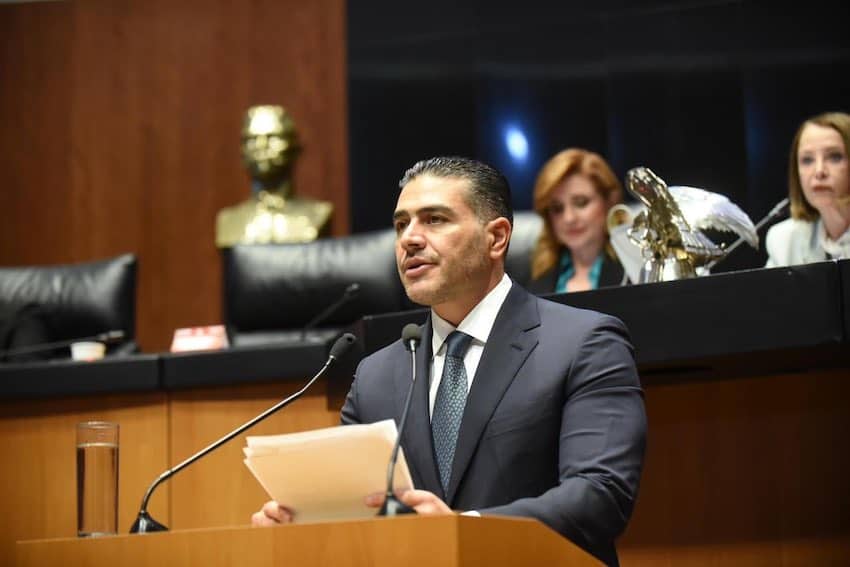
In an initial post on X, Johnson responded to Security Minister Omar García Harfuch’s announcement of the arrest in Mexico City of six members of Tren de Aragua, a transnational crime group from Venezuela.
“Actions like these transcend borders,” the ambassador wrote.

“By dismantling transnational criminal networks, regional security is strengthened and communities are made safer. We recognize @GabSeguridadMX for these arrests in Mexico City, which help ensure accountability and contribute to safer nations.”
Later on Tuesday, Johnson acknowledged an announcement by the Federal Attorney General’s Office (FGR) of the arrest of four alleged Jalisco New Generation Cartel (CJNG) members in Jalisco and Nayarit.
Los arrestos de individuos vinculados al CJNG realizados por @FGRMexico en Jalisco golpean a esta organización narcoterrorista que genera violencia y envenena con sus drogas a nuestras comunidades. Colaborando haremos que la justicia prevalezca y juntos construiremos un futuro… pic.twitter.com/Idg87QIUNy
— Embajador Ronald Johnson (@USAmbMex) January 14, 2026
“The arrests of individuals linked to the CJNG carried out by @FGRMexico in Jalisco strike at this narco-terrorist organization that fuels violence and poisons our communities with its drugs,” he wrote on X.
“By working together, we will ensure that justice prevails and build a brighter future together.”
Both Tren de Aragua and CJNG were designated as foreign terrorist organizations by the U.S. government last February. Since the designation early in Trump’s second term, Mexico has come under increased pressure from the United States to do more to combat criminal organizations in Mexico and the drugs they traffic across the northern border.
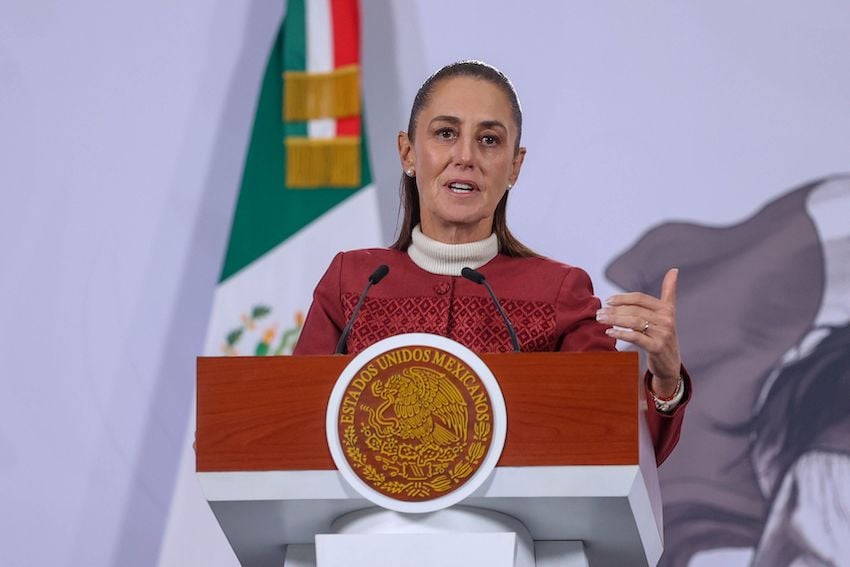
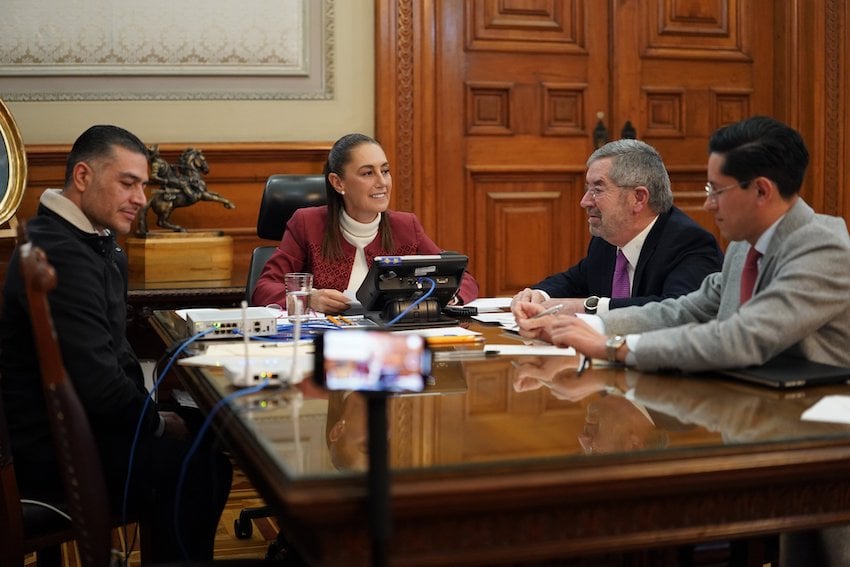
Johnson’s remarks on Tuesday came the day after President Claudia Sheinbaum spoke by telephone to Trump, a call she requested in light of the U.S. president’s declaration last Thursday that the United States would begin hitting cartels on land — a move that would be an escalation of the U.S. military’s war on drugs at sea.
After the call, Sheinbaum — a staunch defender of Mexican sovereignty and an ardent opponent of any kind of U.S. intervention — said that the possibility of U.S. military action in Mexico could be ruled out.
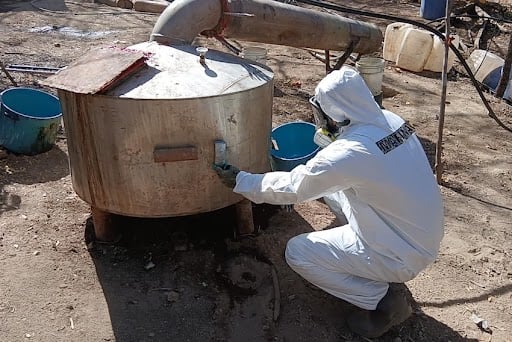
She noted that Trump recognized her government’s security efforts, including the arrest of more than 40,000 suspects and the dismantlement of almost 2,000 drug labs over the past 15 months. However, she also acknowledged that he told her that more can be done to combat cartels and offered additional U.S. assistance to her government, such as a U.S. army deployment to Mexico.
Amid the security-related tension between Mexico and the United States, it is a boon for the Mexican government to have the U.S. ambassador publicly recognizing its anti-crime efforts — as well as its willingness to cooperate with the Trump administration.
In another X post on Monday, Johnson wrote that the relationship between the United States and Mexico is the “most cooperative and mutually beneficial … in decades.”
In the same post, he said that “there’s still much to be done,” but added that “together we can build a brighter future for our citizens.”
Given that a unilateral U.S. strike on cartels in Mexico would almost certainly undermine the “mutually beneficial” bilateral security cooperation, the U.S. ambassador could be a strong advocate within the U.S. government for not risking the relationship with Mexico via an unrequested attack south of the border.
Ten months ago, before he assumed his current role, Johnson — who on Tuesday won praise from Sheinbaum for the support he has provided to the Mexican government — said he believed that on “any decision to take action against a cartel inside Mexico, our first desire would be that it be done in partnership with our Mexican partners.”
US ambassador wins Sheinbaum’s praise: Tuesday’s mañanera recapped
However, he also said he was aware that “President Trump takes very seriously his responsibility to safeguard the lives of U.S. citizens and should there be a case where the lives of U.S. citizens are at risk, I think all cards are on the table.”
In sum, Johnson’s remarks last March are indicative of where things currently stand: Trump, for now at least, appears to have backed away from his declaration that the U.S. would begin targeting cartels in Mexico, favoring instead ongoing bilateral security cooperation while continuing to push the Mexican government to authorize the entry of the U.S. military.
While security collaboration between Mexico and the United States may deepen as a result of the U.S. president’s threat last Thursday, and the Mexican government appears likely to further ramp up its anti-crime efforts given that Sheinbaum admitted on Monday that her administration could do more, some semblance of the status quo looks set to remain in the near term.
But as we saw on Jan. 3 in Venezuela — where President Nicolás Maduro was captured in a swift U.S. military operation — situations can change very quickly.
By Mexico News Daily chief staff writer Peter Davies ([email protected])
Source: Mexico News Daily