US BLAMES EU POLICIES
The White House has framed Greenland as a national security concern, citing what it says is a growing Russian and Chinese presence in the Arctic region.
Denmark has firmly rejected that stance.
Last week, Danish Prime Minister Mette Frederiksen said Washington has no right to annex its territory, pushing back against a scenario once considered unthinkable.
“This is not just about Greenland or the Kingdom (of Denmark). It is about not being able to change borders by force, not being able to buy another people, and it is about small countries not having to fear big countries,” said Frederiksen on Jan 13 ahead of a meeting with US Vice President JD Vance at the White House.



“That is why we are clearly speaking out. And that is why many allies are doing the same, in the Nordic countries, in Europe and in the rest of the world,” she added.
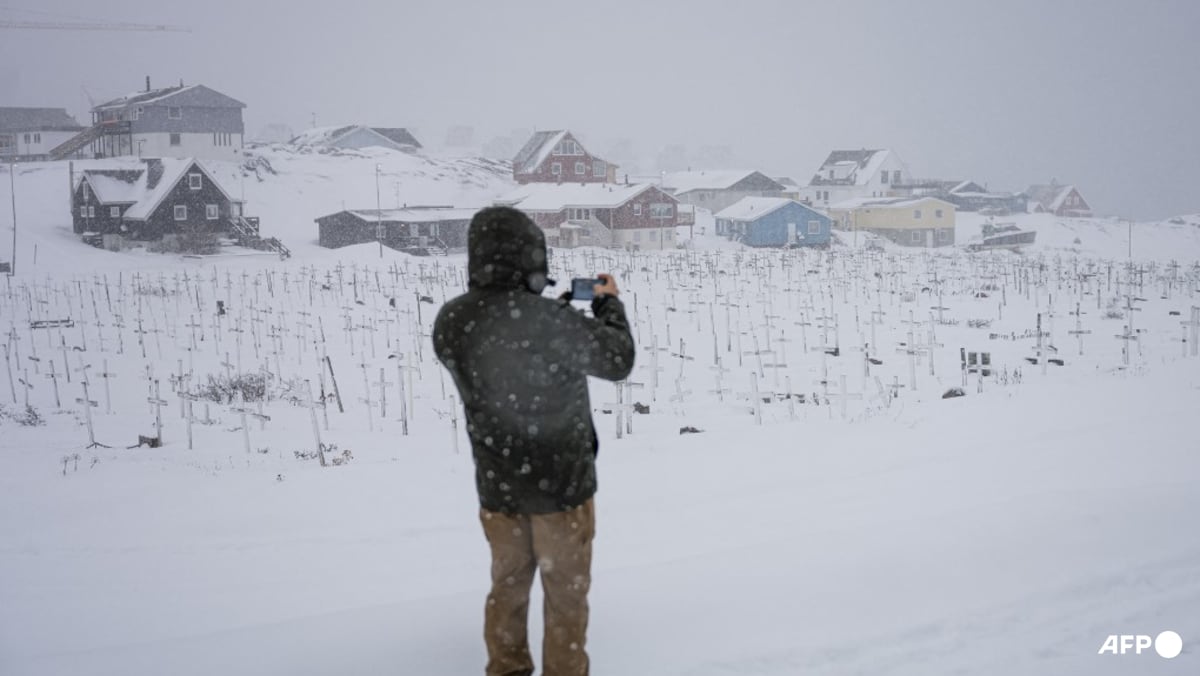
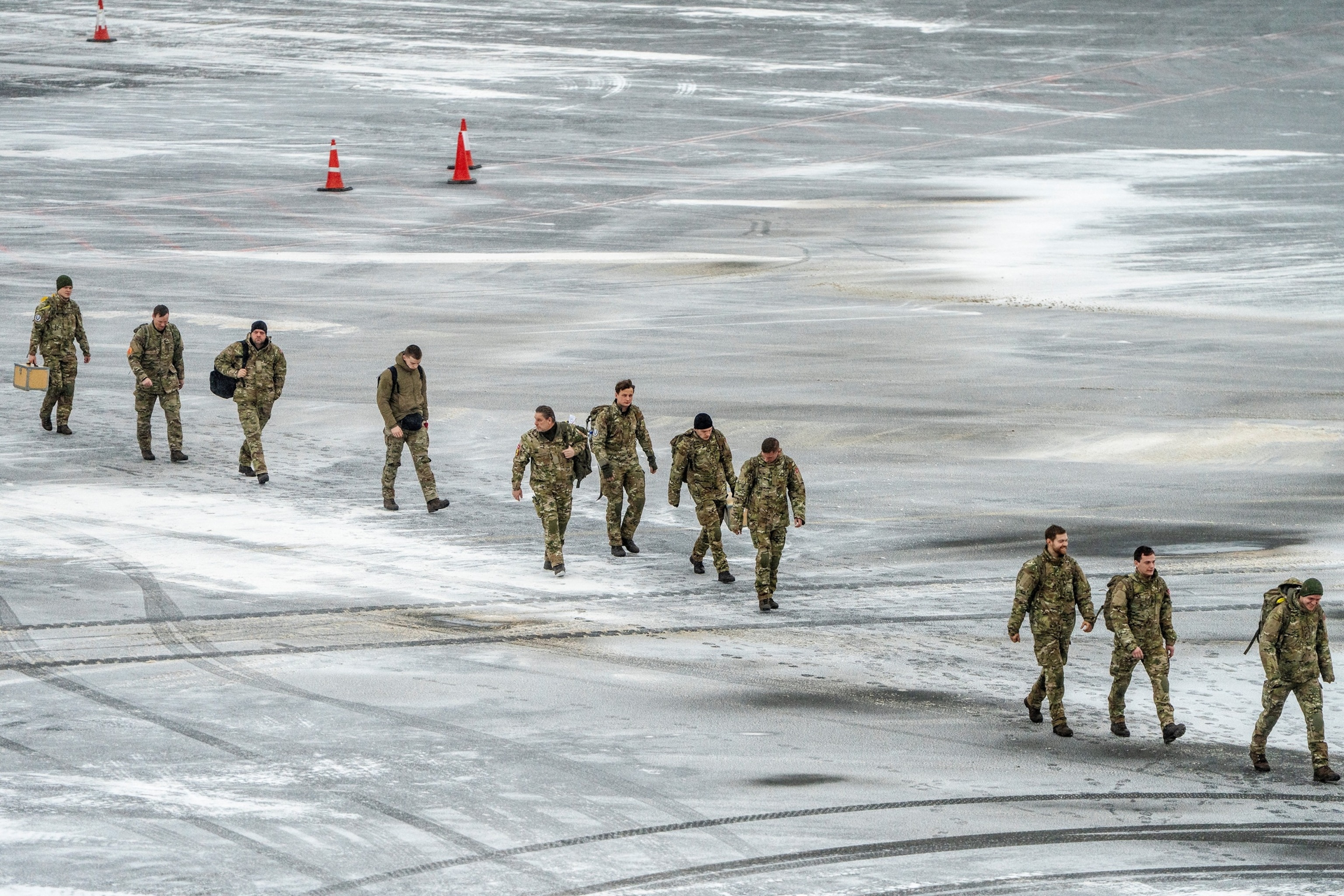
But on Tuesday (Jan 20), Greenland’s Prime Minister Jens-Frederik Nielsen said the Arctic island needs to start preparing for a possible military invasion, even though it remains an unlikely scenario.
Concerns have now emerged that the US could pose a looming threat to a fellow member of the NATO military alliance.
In its most recent National Security Strategy, the Trump administration stated that Europe remains strategically and culturally vital to the US but suggested that the status quo could change.
Washington has warned that over the next few decades, it is unclear whether certain European nations will be strong enough to remain as reliable allies.
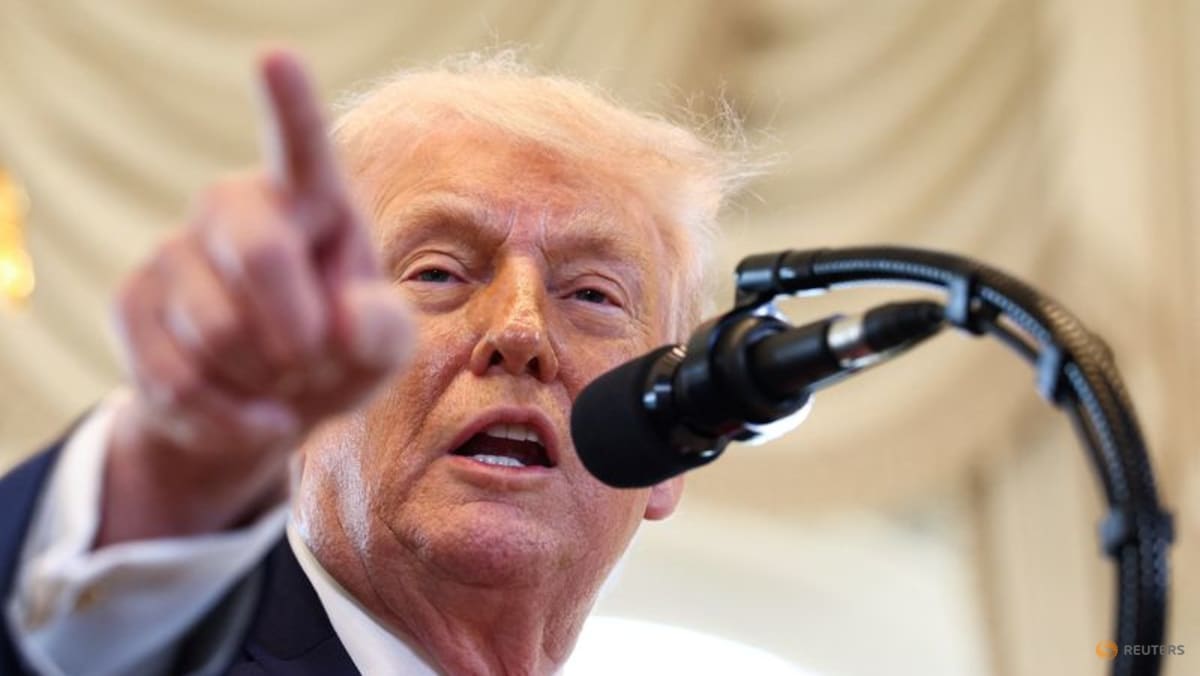
The US blames policies championed by the EU for its current trajectory.
Those policies include the bloc’s commitment to becoming climate-neutral by 2050, which the White House has rejected as “disastrous ideologies that have so greatly harmed Europe, threaten the US and subsidise adversaries”.
Source: CNA