What’s fuelling Grab-GoTo’s merger talk in Indonesia – financial losses, politics or other factors?


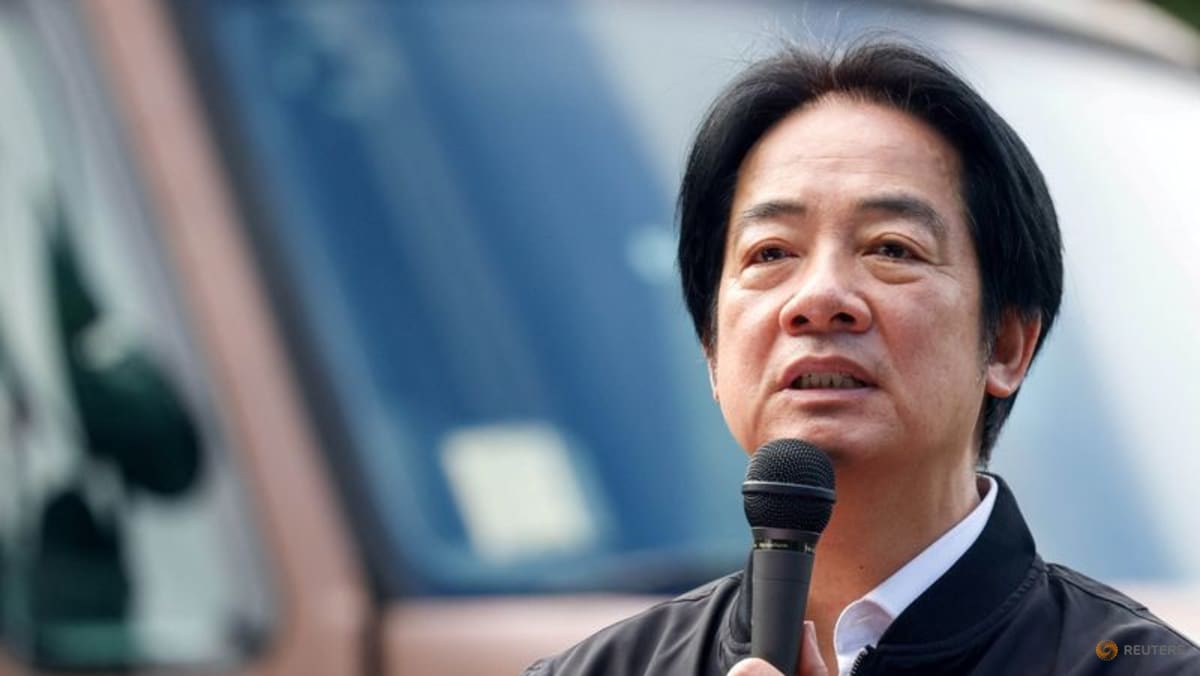
JAKARTA: Indonesia’s ride-hailing, food delivery and e-commerce firm GoTo will have a new chief executive officer (CEO) this month after Patrick Sugito Walujo stepped down at the end of November following a 2.5-year tenure, further fueling speculation that a merger with rival Grab is on the table and imminent.
A possible merger between the two tech giants first made the news nearly six years ago in February 2020. Citing unnamed sources, news agency Bloomberg reported that Patrick’s departure is a “step forward” toward a deal with Grab as he had opposed it.
Chief Operating Officer Hans Patuwo will be nominated as the new CEO at GoTo’s extraordinary shareholders’ meeting on Dec 17, the company said in a statement last Monday (Nov 24).
Apart from the leadership change, analysts noted that a stronger sign of a possible deal came from the government’s confirmation of merger talks, unlike in previous years where there was no word from the authorities.



State Secretary and presidential spokesman Prasetyo Hadi said on Nov 7 that several ministries were participating in the discussions about a potential merger between the Indonesia and Singapore-based companies and a decision would be made soon.
He added that the country’s sovereign wealth fund, Danantara, could also be involved in such a deal.
A week earlier, he had also said that the government was drafting a presidential regulation to regulate online motorcycle taxis to address drivers’ welfare and protection, as many Indonesians are gig workers.
A GoTo spokesman said on Nov 12 that it has consistently backed government policies that benefit driver-partners and merchants, including those goals being pursued through mergers or acquisitions.
The Prabowo Subianto administration was rocked by protests by gig workers in August and September that were sparked by the death of one of them who was run over by a police vehicle during a rally on Aug 28 protesting lawmakers’ lavish perks.
Analysts had previously told CNA that the speed by which the gig workers mobilised themselves was quickly noticed by politicians, signalling that the workers were no longer invisible service providers, but a political force to be reckoned with.
This means the plight of gig workers, and indirectly the financial sustainability of key platforms hiring them, is a political issue.
Analysts said that with GoTo suffering significant losses for some years running, a merger with another company has always been seen as a potential way forward for better financial performance.
However, some analysts also raised questions on whether such a deal with Grab would work out and the impact on gig workers.
The experts also noted that talk of the potential deal comes amid reports of a probe by the Indonesian Attorney General’s Office (AGO) into an investment in GoTo five years ago by a state-owned entity, raising questions if there is any link between the two.
Boyamin Saiman, coordinator of non-government organisation Indonesian Anti-Corruption Society (MAKI) said a merger could combine the profit and losses of companies.
“This will also affect the resulting share price, for example, which could be lower or higher.”
Source: CNA