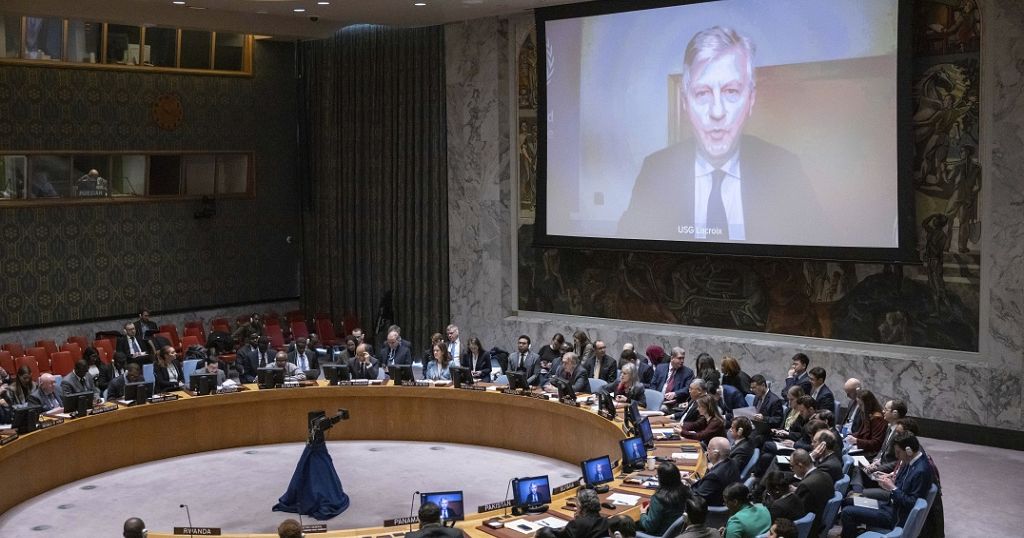
The ongoing conflict in Sudan is causing instability in South Sudan, where economic difficulties and political uncertainty are worsening, according to the Head of the United Nations Mission in South Sudan (UNMISS) during a Security Council meeting today (Feb 5).
Nicholas Haysom, the Special Representative of the Secretary-General and Head of UNMISS, stated, “The negative impacts of the Sudan conflict are affecting South Sudan, evident in the unrest in Juba and other areas following the reported killings of South Sudanese in Wad Madani.”
This unrest is occurring against a backdrop of a deepening economic crisis. Haysom noted, “The price of an average food basket has surged by 200 percent, inflation is at 107 percent, and nearly ten months of government salaries remain unpaid.”

Additionally, the South Sudanese government has asked UNMISS to vacate part of its headquarters within 45 days, a request Haysom described as creating “significant costs and a logistical schedule that we currently cannot meet.”
He pointed out that restrictions on peacekeepers in certain regions further hinder UNMISS operations but reaffirmed the mission’s dedication to constructive dialogue through the High-Level Coordination Committee.
Economic instability has worsened due to interruptions in oil exports, a vital revenue source for South Sudan, “due to the conflict in the Republic of Sudan,” stated Charles Tai Gituai, Interim Chairperson of the Reconstituted Joint Monitoring and Evaluation Commission.
He added, “The main pipeline that carries about 60 percent of crude oil to Port Sudan has been damaged and remains unrepaired, leading to a significant drop in revenue.”
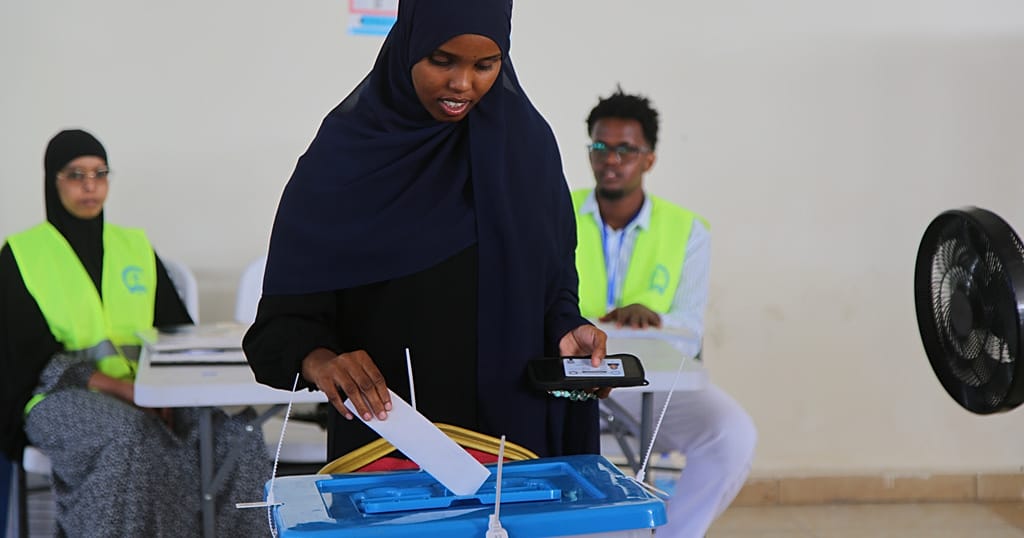
Amid these difficulties, worries about the integrity of upcoming elections are prominent.
Edmund Yakani, Executive Director of the Community Empowerment for Progress Organization (CEPO), emphasized that credible elections depend on essential actions from the government.
Yakani highlighted the importance of a “prompt political decision from the presidency,” “unity among forces,” and “sufficient and timely funding for the elections with a defined timeline.”
Nicholas Haysom noted that as South Sudan enters the fourth extension of its transitional period under the 2018 Revitalized Peace Agreement, there is a growing agreement that further delays are unacceptable.
The South Sudanese people have shown patience, but there is increasing pressure on leaders to fulfill the benchmarks outlined in the peace process without seeking more extensions.
Cecilia Adout Majok Adeng from South Sudan recognized “the concerns about the delays in the transitional process.”
She assured the Security Council that “efforts are being made to expedite key milestones, especially the preparations for fair, free, and credible elections.”
The representative stated, “We recognize the difficulties faced by the election-related bodies and reaffirm our commitment to providing the necessary funding and institutional support to enhance the electoral process in our country.”
Source: Africanews