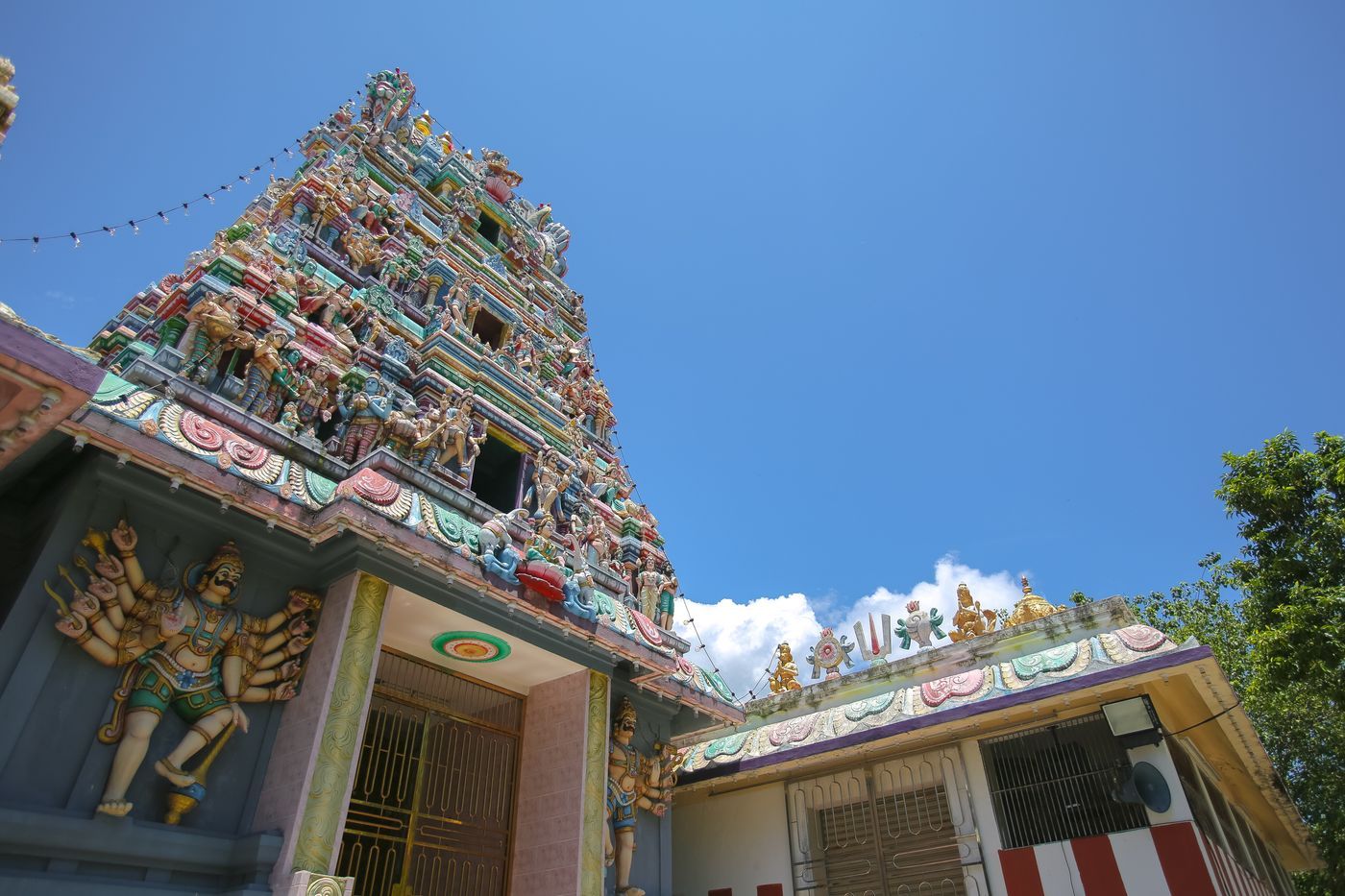
Hinduism
Hinduism is one of the world's oldest religions, originating in the Indian subcontinent and encompassing a wide diversity of beliefs, practices, and texts developed over thousands of years.
Unlike most major faiths, this tradition has no single founder or founding moment, having instead absorbed and blended countless regional beliefs across the Indian subcontinent over thousands of years.
No Single Founder
Unlike many major world religions, Hinduism has no single founder and no single moment of founding, instead developing gradually over millennia from ancient Vedic traditions, absorbing and blending countless regional beliefs, deities, and practices across the Indian subcontinent.
Sacred Texts
Hinduism draws on an enormous body of sacred literature, including the ancient Vedas, among the oldest religious texts in the world, as well as later texts including the Upanishads, the epic Mahabharata (which contains the widely revered Bhagavad Gita), and the Ramayana.
Core Concepts
Central Hindu concepts include karma, the principle that actions have consequences across lifetimes; dharma, one's duty and righteous path in life; and samsara, the cycle of death and rebirth, from which the ultimate goal of moksha, or liberation, offers release.
Major Traditions and Deities
Hinduism encompasses numerous major traditions, including Vaishnavism (devotion to Vishnu), Shaivism (devotion to Shiva), and Shaktism (devotion to the divine feminine), each with rich mythology and distinct devotional practices centered on their respective deities.
A Living Faith
Hinduism today has over one billion adherents, primarily in India and Nepal, and is celebrated through widely observed festivals such as Diwali and Holi, which have gained recognition and celebration well beyond South Asia in recent decades.