Kwanzaa
Kwanzaa is a week-long cultural celebration honoring African heritage and culture, created in the United States in 1966 and observed by many African American families and communities.
Created deliberately during a period of significant civil rights activism, this week-long celebration was designed specifically to help African American communities connect with African cultural heritage and values.
Created During the Civil Rights Era
Kwanzaa was created in 1966 by activist and professor Maulana Karenga, during a period of significant African American cultural and political consciousness following the civil rights movement.
Seven Core Principles
The holiday centers on seven core principles, known as the Nguzo Saba, including unity, self-determination, and collective responsibility, each honored on a different day of the celebration.
A Week-Long Celebration
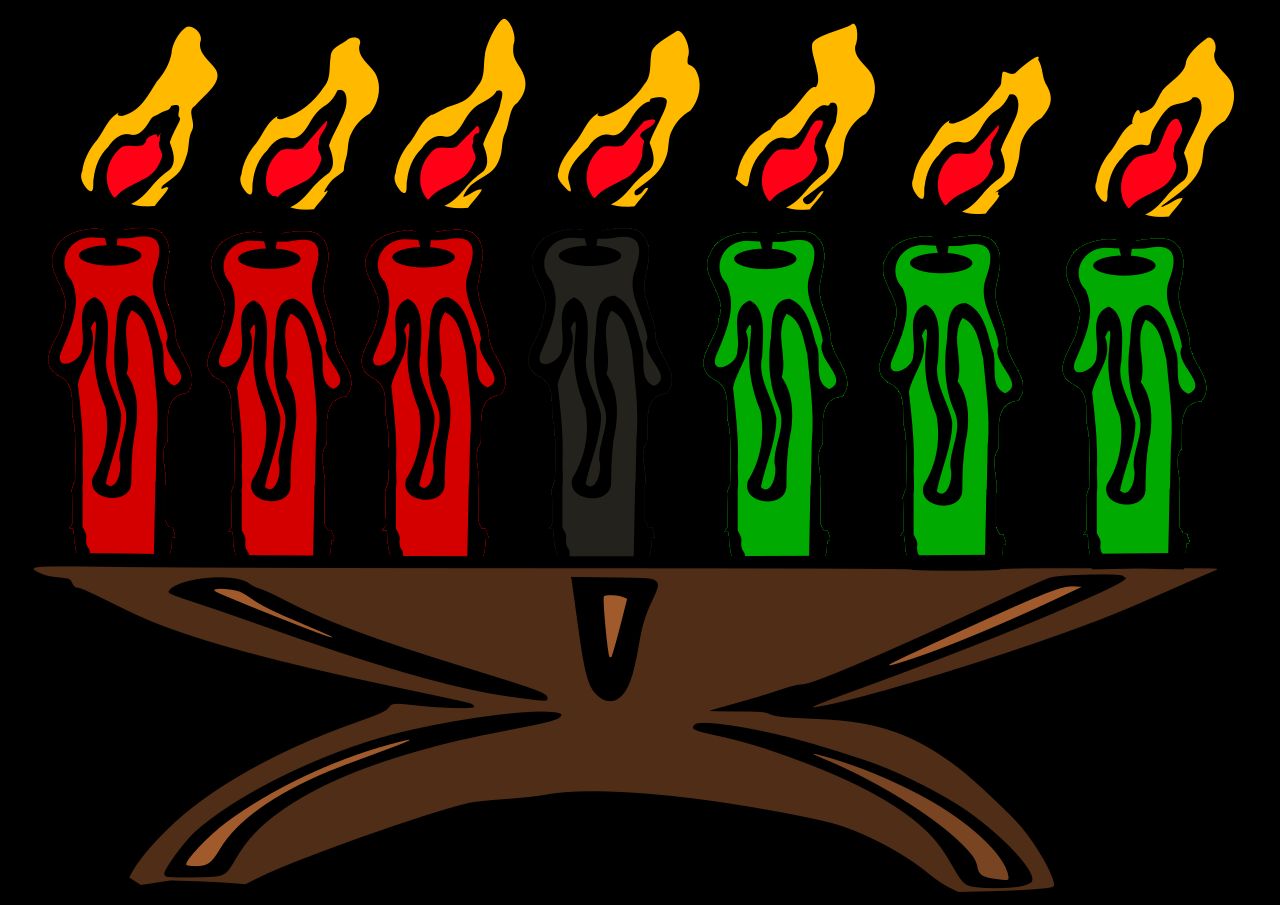
Kwanzaa is observed over seven days, from December 26th to January 1st, featuring nightly candle lighting ceremonies using a special candleholder called a kinara.
Celebrating African Heritage
The holiday emphasizes connection to African cultural heritage and values, and is observed by many African American families and communities, often alongside other holiday traditions during the same season.