Photosynthesis
Photosynthesis is the biological process by which plants, algae, and certain bacteria convert light energy into chemical energy, producing oxygen as a byproduct and forming the foundation of most life on Earth.
A process that evolved in early bacteria over two billion years ago is what filled Earth's atmosphere with enough oxygen to eventually make animal life possible at all.
Converting Light into Sugar
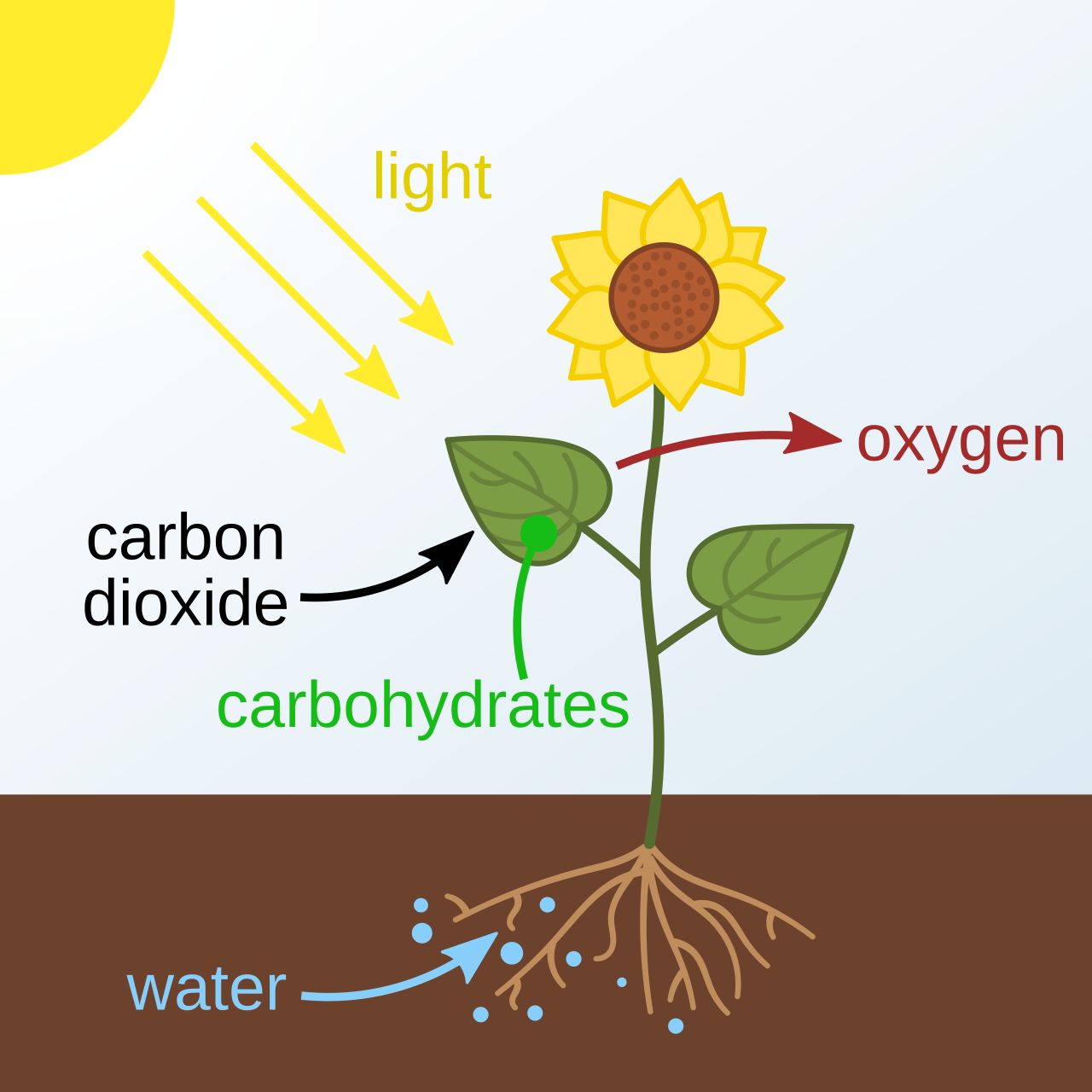
During photosynthesis, chlorophyll within plant cells absorbs sunlight and uses that captured energy to convert carbon dioxide and water into glucose, a sugar molecule that provides the plant with usable chemical energy for growth.
The Oxygen Byproduct
A crucial byproduct of this process is oxygen, released into the atmosphere as plants convert carbon dioxide and water into sugar — a process responsible for producing the vast majority of oxygen currently present in Earth's atmosphere.
Transforming Earth's Atmosphere
Photosynthesis is believed to have evolved in early photosynthetic bacteria over two billion years ago, an event that dramatically and permanently transformed Earth's atmosphere by introducing significant oxygen levels, enabling the eventual evolution of complex, oxygen-dependent life forms, including animals.
The Base of the Food Chain
Photosynthesis forms the foundational base of nearly all Earth's food chains, as the energy captured by plants and other photosynthetic organisms ultimately supports nearly every other living organism, either directly through plant consumption or indirectly through predation.
Regulating the Carbon Cycle
Beyond providing energy for ecosystems, photosynthesis plays a critical ongoing role in regulating Earth's carbon cycle and climate by removing carbon dioxide from the atmosphere, making forests and oceans essential natural buffers against rising greenhouse gas concentrations.