🔬 Science & Nature
Scientific concepts, discoveries, and the natural world

Ada Lovelace was a British mathematician often regarded as the first computer programmer for her work on Charles Babbage's proposed Analytical Engine, a mechanical general-purpose computer.

Discovered penicillin in 1928, launching the age of antibiotics and transforming the treatment of bacterial infections worldwide

Allergies are immune system overreactions to typically harmless substances, resulting in symptoms ranging from mild irritation to severe, potentially life-threatening reactions.

Animal Migration is the seasonal movement of animals between different habitats, occurring across numerous species worldwide for feeding, breeding, and climate-related purposes.
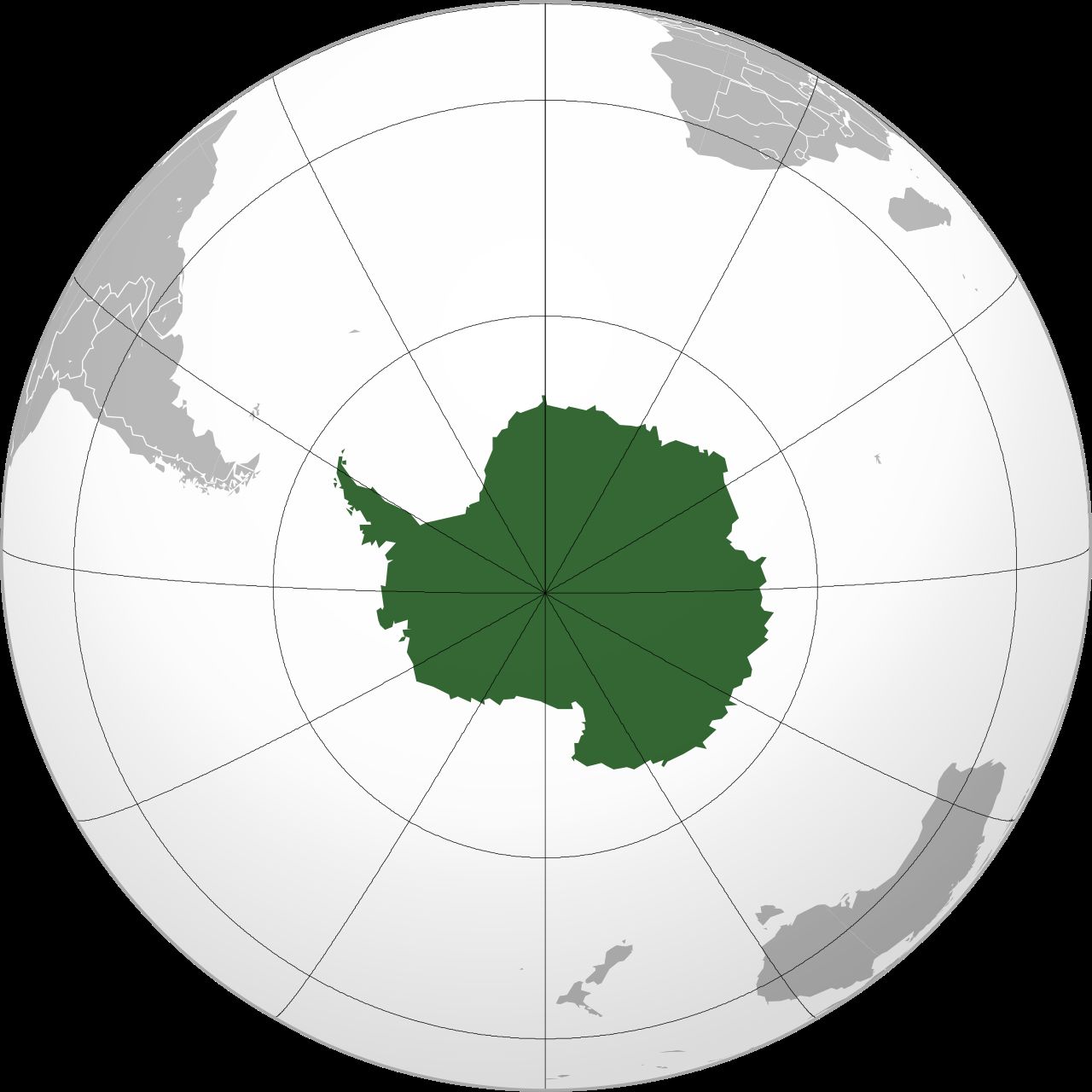
Antarctica is Earth's southernmost continent, almost entirely covered by ice, and governed under an international treaty that reserves it for peaceful scientific research.

Antibiotic Resistance occurs when bacteria evolve mechanisms to survive exposure to antibiotics designed to kill them, representing an increasingly significant global public health concern.

Antibiotics are medications that treat bacterial infections by killing bacteria or inhibiting their growth, representing one of the most transformative medical advances of the 20th century.
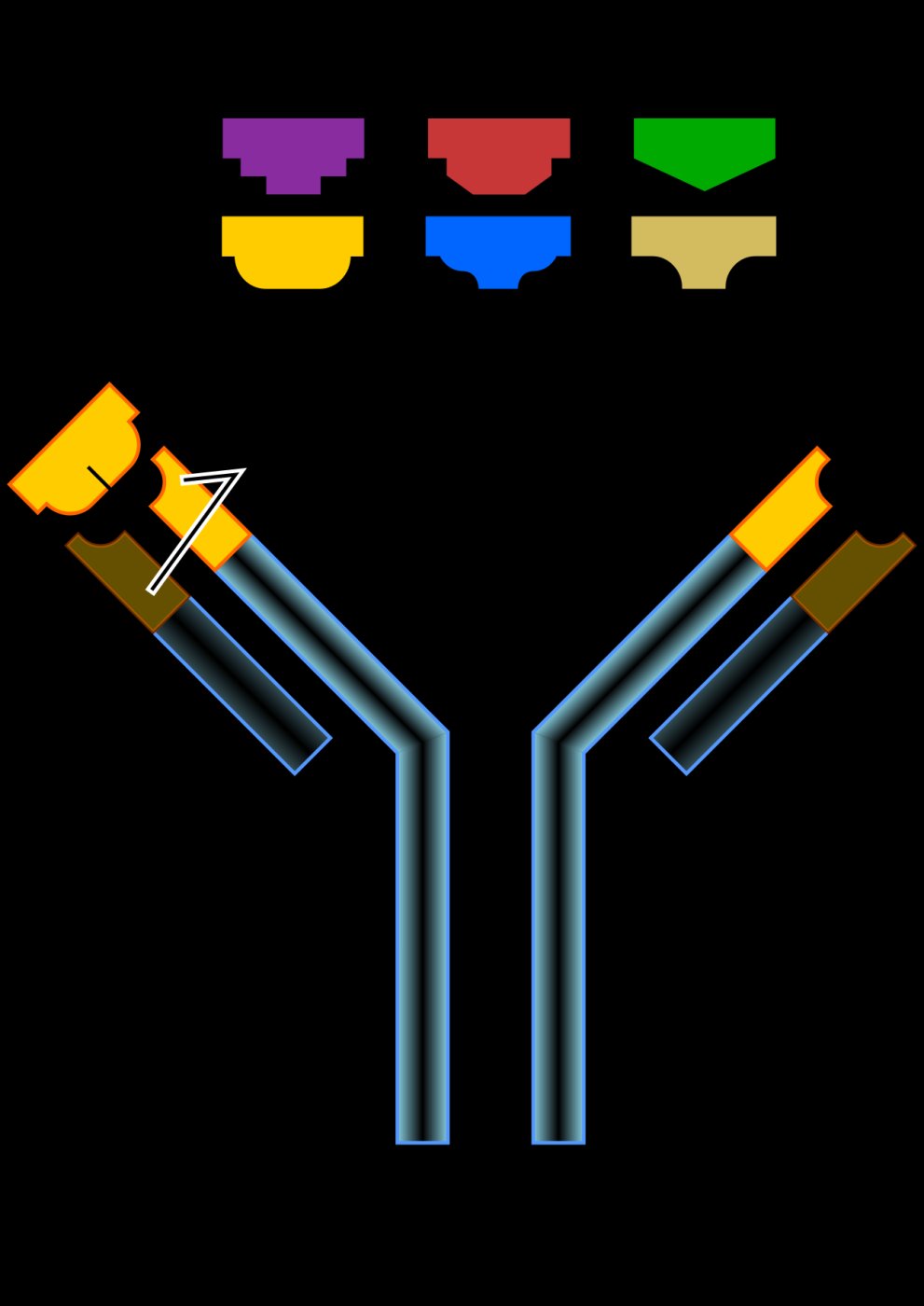
Antibodies are specialized proteins produced by the immune system that identify and neutralize specific foreign invaders such as viruses and bacteria.

Asteroids are rocky celestial bodies primarily found in the asteroid belt between Mars and Jupiter, representing remnants from the early formation of the solar system.

Bacteria are single-celled microorganisms found virtually everywhere on Earth, playing significant roles in ecosystems, human health, and disease processes.

Bats are the only mammals capable of true sustained flight, found on every continent except Antarctica, playing significant ecological roles as pollinators, seed dispersers, and pest controllers.

Biodiversity refers to the variety of life found within a particular ecosystem or across the entire planet, encompassing genetic, species, and ecosystem-level diversity essential to environmental health.

Black holes are regions of space where gravity is so intense that nothing, not even light, can escape, formed typically from the collapse of massive stars at the end of their life cycles.

Butterflies are flying insects known for their colorful wings and complete metamorphosis from caterpillar to adult, playing significant roles as pollinators worldwide.

Camouflage is a biological adaptation allowing organisms to blend with their surroundings, evolved independently across numerous species as a survival strategy against predators or for hunting prey.

Cancer refers to a group of diseases characterized by uncontrolled cell growth, representing one of the most significant global health challenges and a major focus of ongoing medical research.

A renowned astronomer and science communicator whose television series Cosmos brought complex astronomical concepts to a global popular audience

Cell Theory is a foundational biological principle stating that all living organisms are composed of cells, established formally in the 19th century following improvements in microscopy.
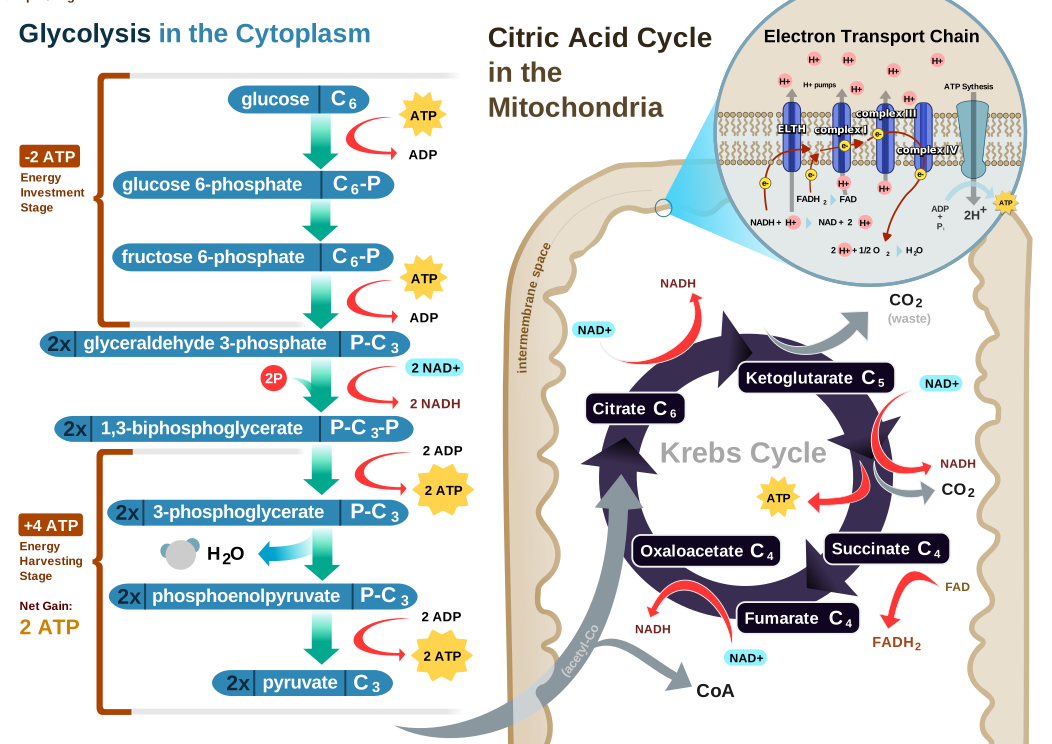
Cellular Respiration is the biological process by which cells convert nutrients into usable energy, occurring in nearly all living organisms and serving as a fundamental counterpart to photosynthesis.

Chameleons are lizards native primarily to Africa and Madagascar, renowned for their ability to change color, independently rotating eyes, and specialized projectile tongues.

Chaos Theory is a scientific field studying complex systems highly sensitive to initial conditions, where small changes can produce dramatically different outcomes over time.

Charles Darwin was an English naturalist whose theory of evolution by natural selection fundamentally changed the scientific understanding of life on Earth.

Chimpanzees are great apes native to equatorial Africa, humanity's closest living genetic relatives, known for sophisticated tool use and complex social behaviors.
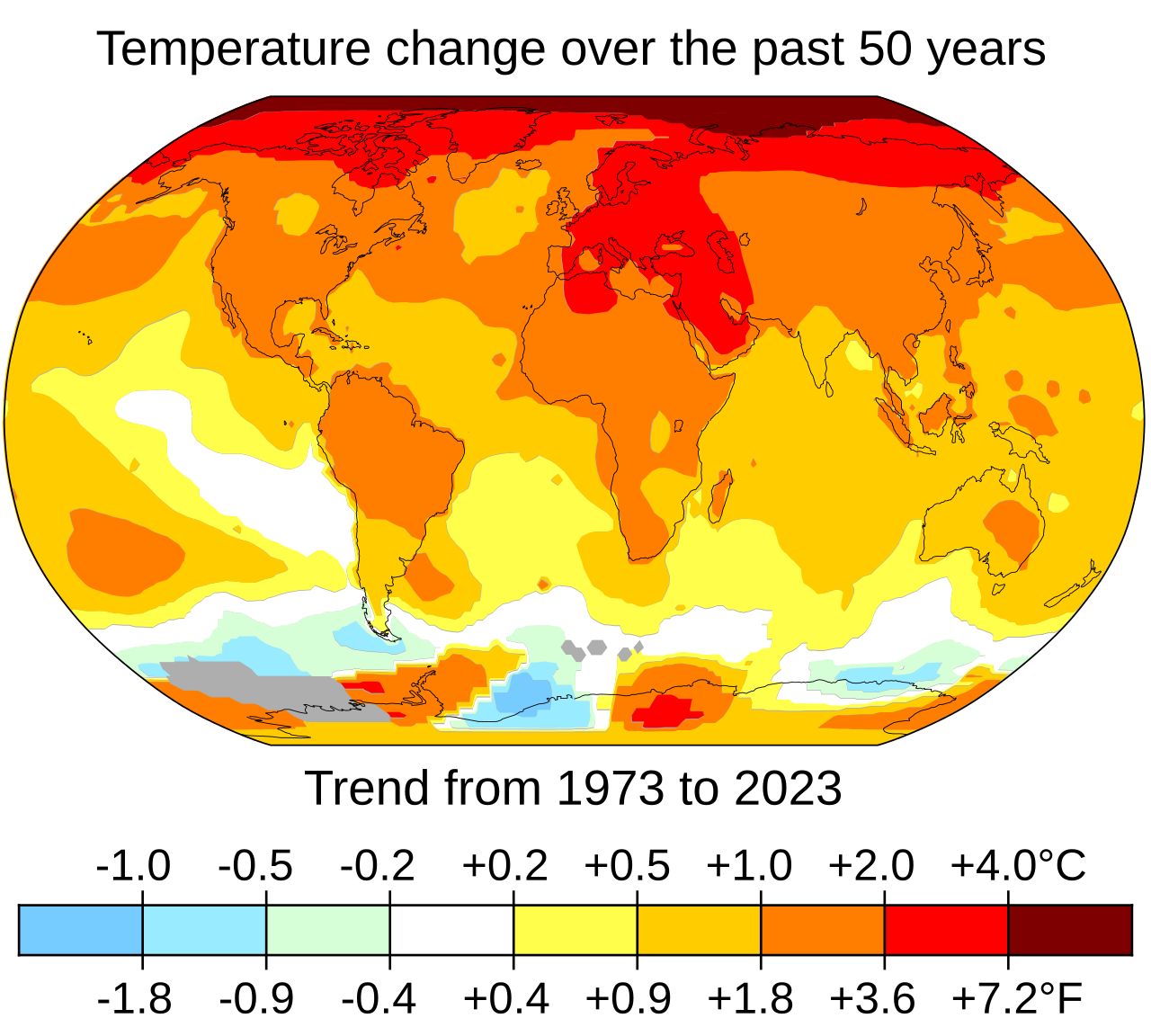
Climate change refers to long-term shifts in global temperatures and weather patterns, which scientists have determined are being significantly accelerated by human activity, particularly the burning of fossil fuels.