Antibodies
Antibodies are specialized proteins produced by the immune system that identify and neutralize specific foreign invaders such as viruses and bacteria.
Produced with remarkable specificity to target one particular threat among an almost limitless variety of possible pathogens, these proteins form a cornerstone of the body's adaptive defense against disease.
Precisely Targeted Proteins
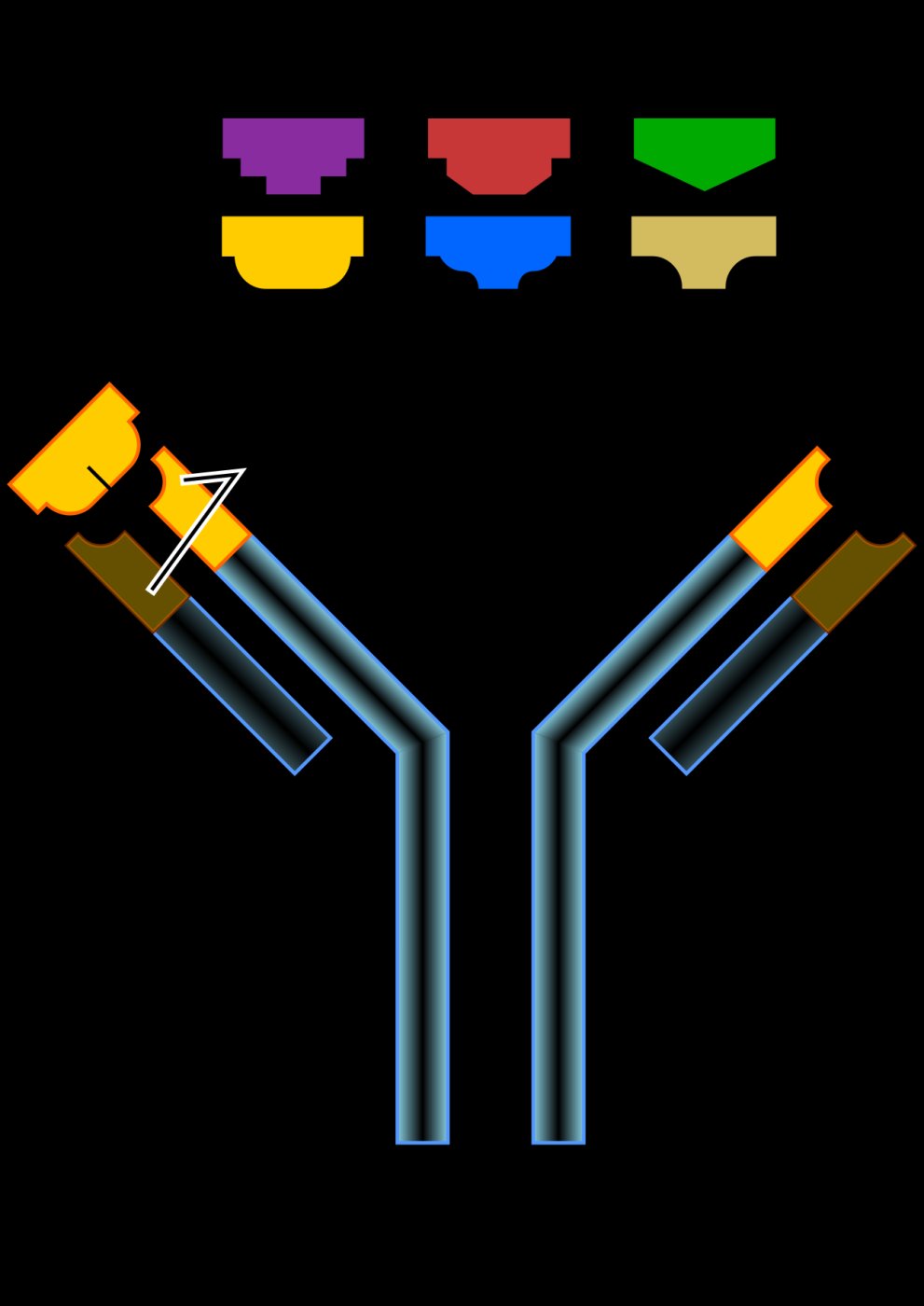
Antibodies are Y-shaped proteins produced by immune cells called B cells, each precisely shaped to recognize and bind to a specific target, known as an antigen, found on pathogens.
Neutralizing Threats
Once bound to a pathogen, antibodies can neutralize it directly or mark it for destruction by other components of the immune system, playing a central role in fighting infections.
The Basis of Vaccine Immunity
Vaccines work by prompting the body to produce antibodies against a specific pathogen in advance, providing protective immunity if the person is later exposed to the actual disease.
Used in Modern Medical Testing
Antibodies are also widely used in modern medical diagnostics and treatments, including antibody-based tests for diseases and increasingly sophisticated antibody therapies for cancer and autoimmune conditions.