🔬 Science & Nature
Scientific concepts, discoveries, and the natural world

Cloning is a biotechnology process creating genetically identical copies of organisms, achieving significant public attention with the cloning of Dolly the sheep in 1996.

Comets are icy celestial bodies that develop visible tails as they approach the Sun, composed of ice, dust, and rock, and have historically inspired both scientific study and cultural significance.
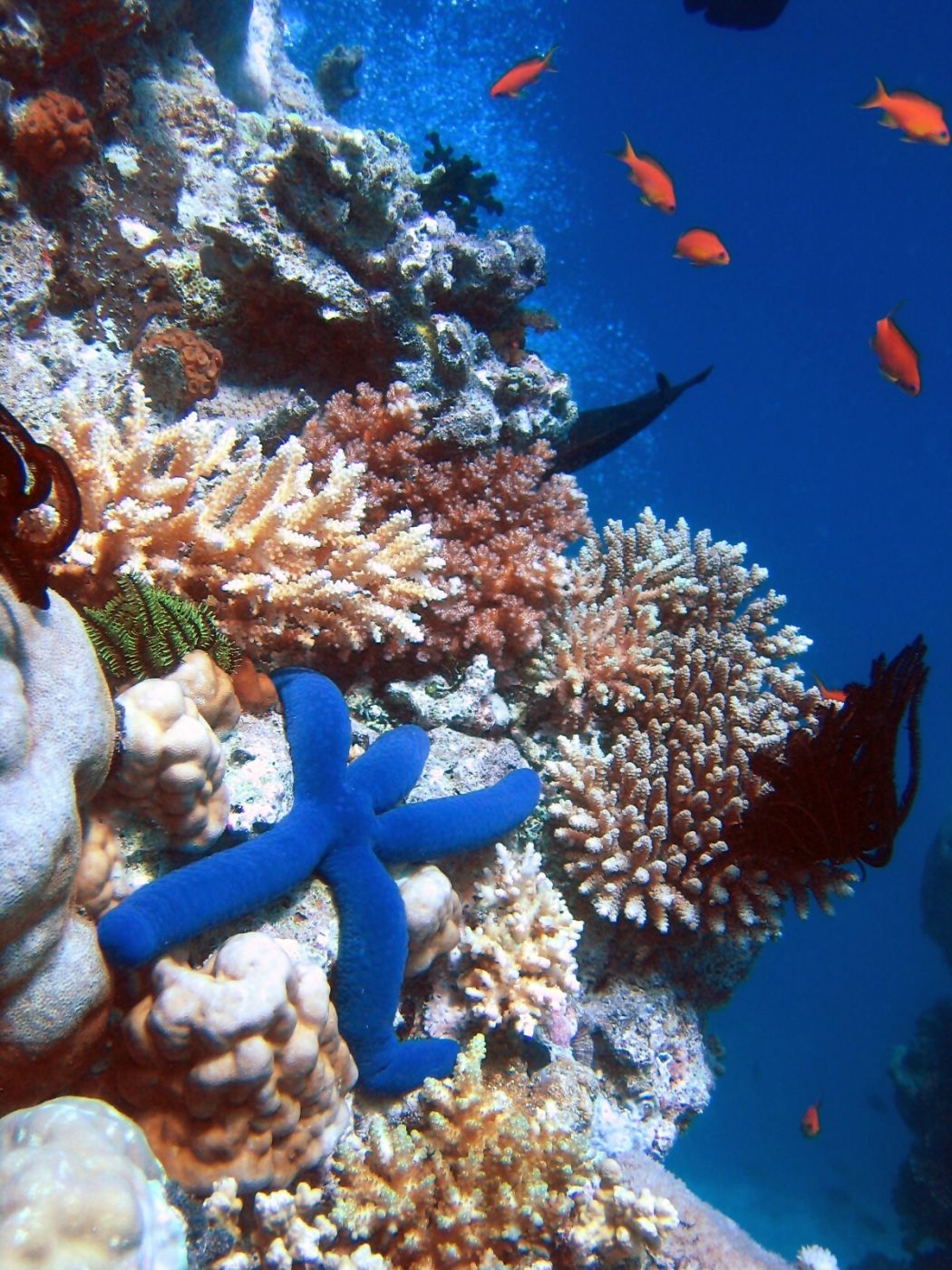
Coral reefs are diverse underwater ecosystems built by colonies of tiny marine organisms, supporting an estimated quarter of all marine species despite covering less than one percent of the ocean floor.

CRISPR is a revolutionary gene-editing technology that allows scientists to precisely modify DNA sequences, opening new possibilities in medicine, agriculture, and biotechnology.

Crocodiles are large aquatic reptiles found across tropical regions worldwide, among the oldest surviving reptile lineages, virtually unchanged in form for tens of millions of years.

Dark Matter is a hypothetical form of matter thought to account for approximately 27% of the universe's total mass and energy, inferred from its gravitational effects despite never being directly observed.

Diabetes is a chronic medical condition affecting the body's ability to regulate blood sugar levels, representing a significant and growing global public health challenge.

Created the periodic table of elements, organizing known chemical elements and successfully predicting the existence of several undiscovered ones

DNA (deoxyribonucleic acid) is the molecule that carries the genetic instructions used in the growth, development, and reproduction of all known living organisms.

Dolphins are highly intelligent marine mammals known for their complex social behaviors, sophisticated communication, and status as one of the most cognitively advanced animal groups on Earth.

Earthquakes are sudden releases of energy in the Earth's crust that create seismic waves, occurring primarily along tectonic plate boundaries worldwide.

An ecosystem is a community of living organisms interacting with each other and their physical environment, forming the fundamental units of study within ecological science.

Discovered that the universe extends far beyond the Milky Way galaxy and is continuously expanding, fundamentally reshaping cosmology

Electricity is the physical phenomenon associated with electric charge, a fundamental force that has been harnessed to power virtually every aspect of modern civilization.

Elephants are the largest living land animals, known for their remarkable intelligence, complex social structures, and crucial ecological role as a keystone species in their habitats.

Created the first controlled nuclear chain reaction and made significant contributions to quantum theory and nuclear physics

Enzymes are specialized proteins that significantly accelerate chemical reactions within living organisms, essential to virtually all biological processes including digestion and metabolism.

Developed foundational equations of quantum mechanics and devised the famous thought experiment known as Schrödinger's cat

Evolution is the process by which populations of organisms change over successive generations through genetic variation and natural selection, forming the foundational theory of modern biology.

Exoplanets are planets that orbit stars outside our own solar system, with thousands now confirmed since the first discovery in the early 1990s, significantly expanding understanding of planetary diversity.

Extinction is the permanent disappearance of a species, a natural process throughout Earth's history that has significantly accelerated in recent centuries due to human activity.

Fossil Fuels are energy sources formed over millions of years from the remains of ancient organisms, including coal, oil, and natural gas, historically central to global energy production.

Fungi are a distinct kingdom of life including mushrooms, molds, and yeasts, playing significant ecological roles in decomposition and nutrient cycling.

Galileo Galilei was an Italian astronomer and physicist whose telescopic observations provided key evidence for the heliocentric model of the solar system, bringing him into direct conflict with the Catholic Church.