🔬 Science & Nature
Scientific concepts, discoveries, and the natural world

Bird migration is the seasonal movement of bird species between breeding and non-breeding areas, representing one of the most remarkable and well-studied phenomena in the natural world.
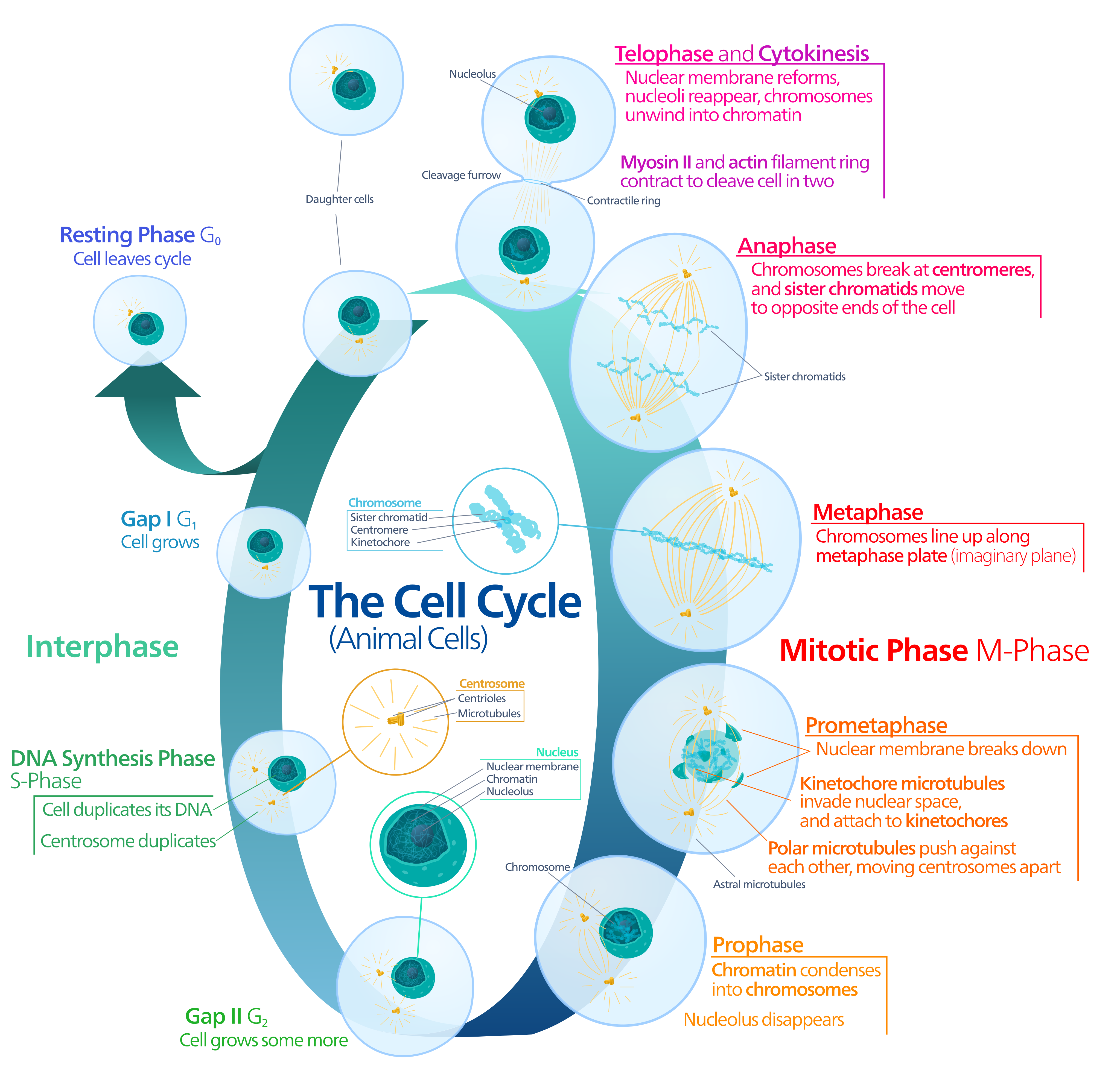
Mitosis is the process of cell division by which a single cell divides to produce two genetically identical daughter cells, essential for growth and tissue repair.

Nanotechnology is the manipulation of matter at extremely small, atomic and molecular scales, enabling significant applications across medicine, electronics, and materials science.

Natural selection is the process by which organisms with traits better suited to their environment are more likely to survive and reproduce, forming the core mechanism driving evolution.

Neurons are specialized cells that transmit electrical and chemical signals throughout the nervous system, forming the fundamental building blocks of thought, sensation, and movement.

Neutron stars are extraordinarily dense stellar remnants formed from the collapsed cores of massive stars following supernova explosions, among the densest objects known in the universe.

Niels Bohr was a Danish physicist whose model of atomic structure and foundational contributions to quantum theory earned him the 1922 Nobel Prize in Physics.

Nikola Tesla was a Serbian-American inventor and electrical engineer whose work on alternating current (AC) power systems laid the foundation for modern electrical distribution.
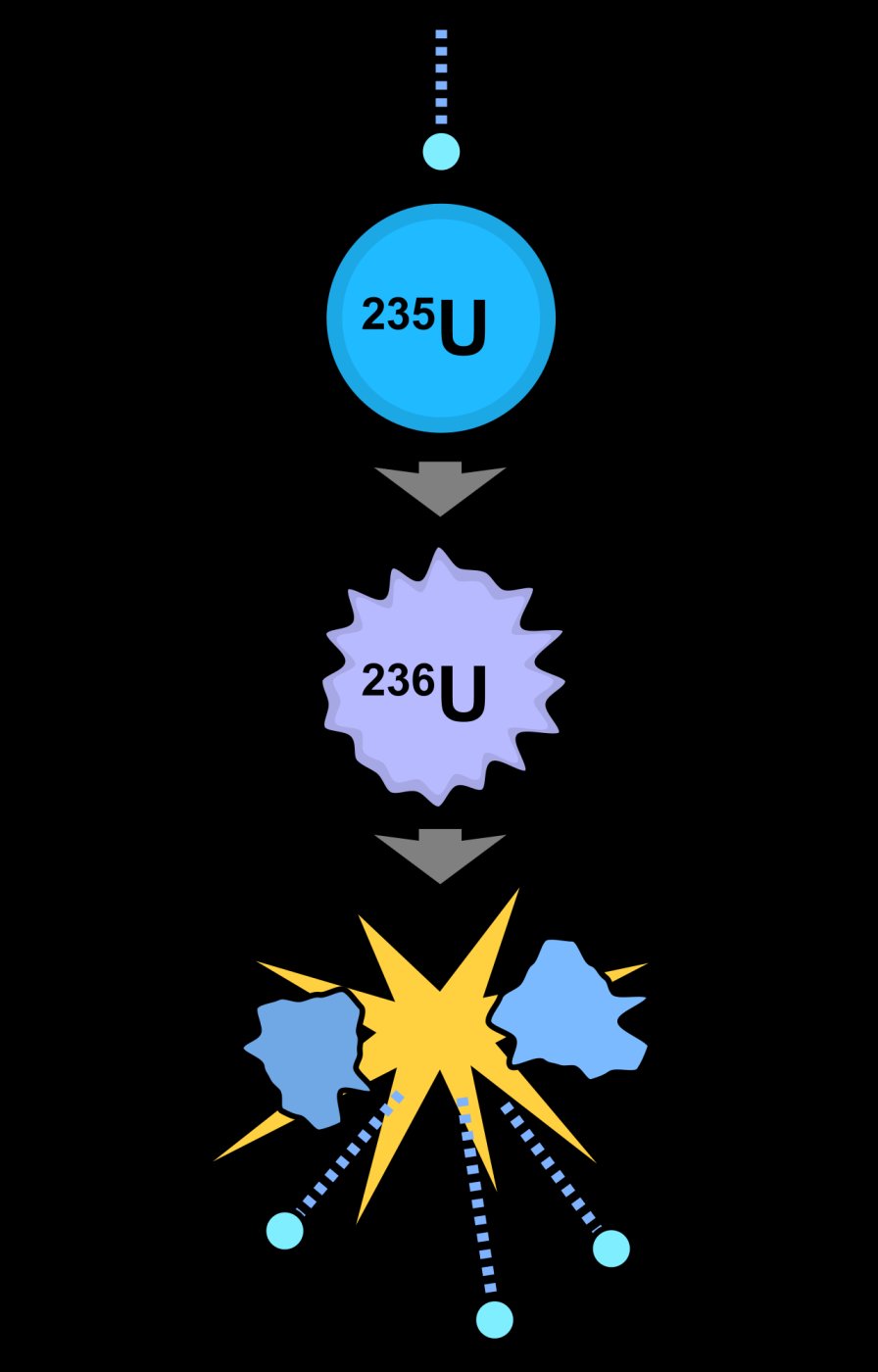
Nuclear Fission is the process by which an atomic nucleus splits into smaller parts, releasing significant energy, forming the basis of current nuclear power generation and early nuclear weapons.

Nuclear fusion is the process by which atomic nuclei combine to release enormous amounts of energy, powering the Sun and representing a promising, though still developing, potential source of clean energy on Earth.

Octopuses are highly intelligent marine invertebrates known for their remarkable problem-solving abilities, camouflage skills, and distinctive decentralized nervous system.

Osmosis is the movement of water molecules across a semi-permeable membrane from an area of lower solute concentration to higher concentration, a fundamental process in cellular biology.

Owls are nocturnal birds of prey found worldwide, known for exceptional night vision, silent flight, and distinctive ability to rotate their heads significantly.

Ozempic is a prescription medication originally developed to treat type 2 diabetes that became one of the most searched drugs in the world after gaining widespread popularity for weight loss.

Penguins are flightless birds adapted for life in water, found primarily in the Southern Hemisphere, with species ranging from the icy expanses of Antarctica to more temperate coastal regions.
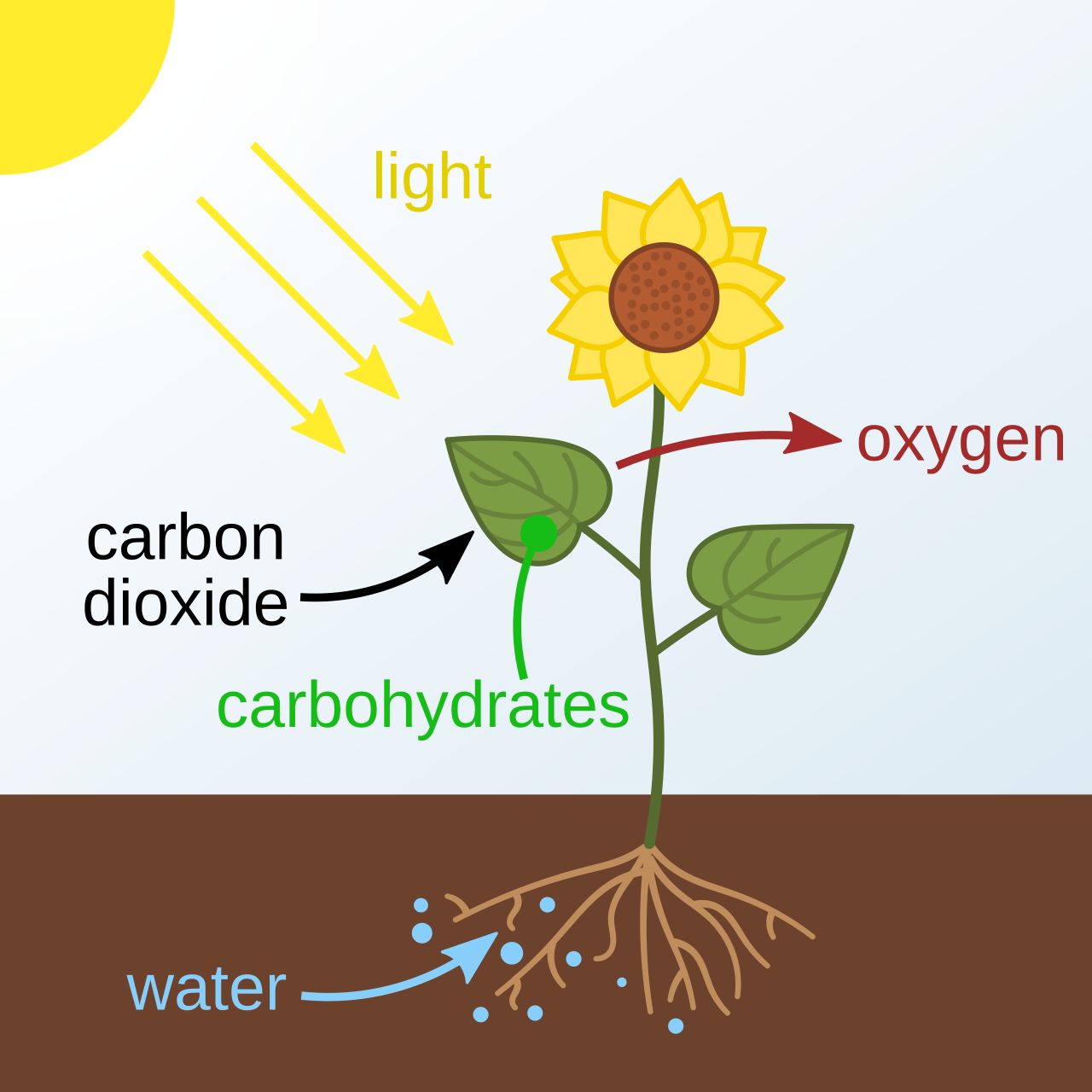
Photosynthesis is the biological process by which plants, algae, and certain bacteria convert light energy into chemical energy, producing oxygen as a byproduct and forming the foundation of most life on Earth.
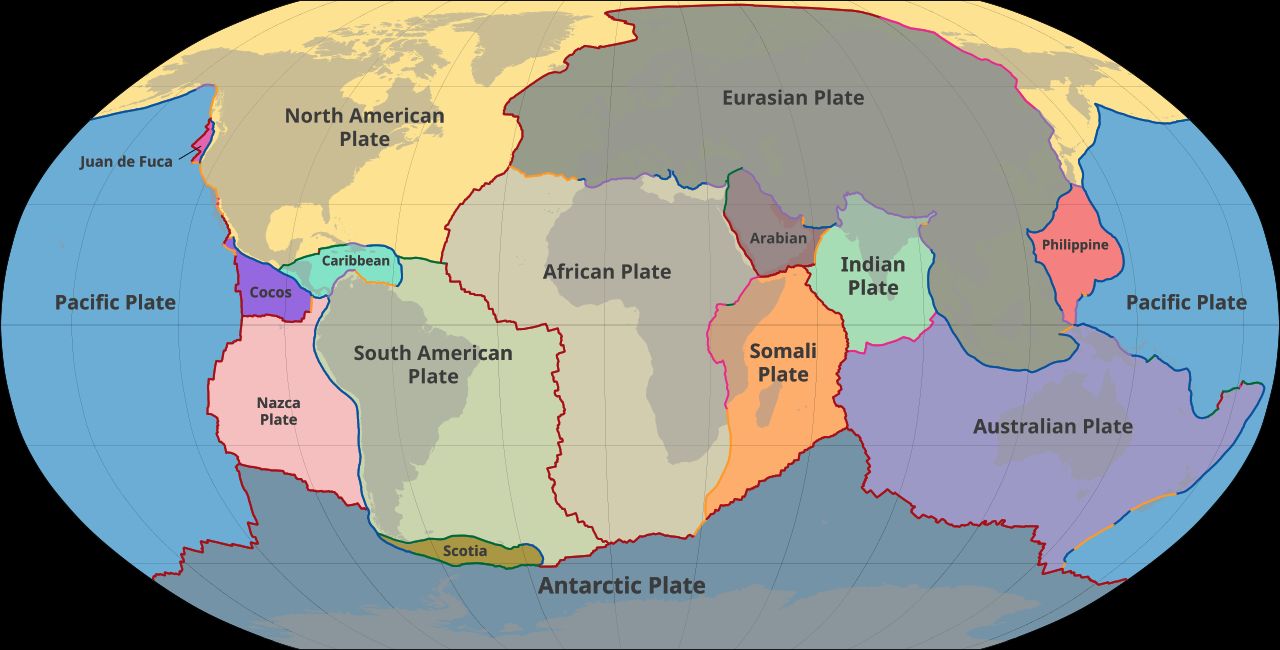
Plate Tectonics is the scientific theory describing how Earth's outer shell is divided into large moving plates, explaining phenomena including earthquakes, volcanoes, and the formation of mountain ranges.

The platypus is a unique egg-laying mammal native to eastern Australia, notable for its unusual combination of features including a duck-like bill and venomous spurs.
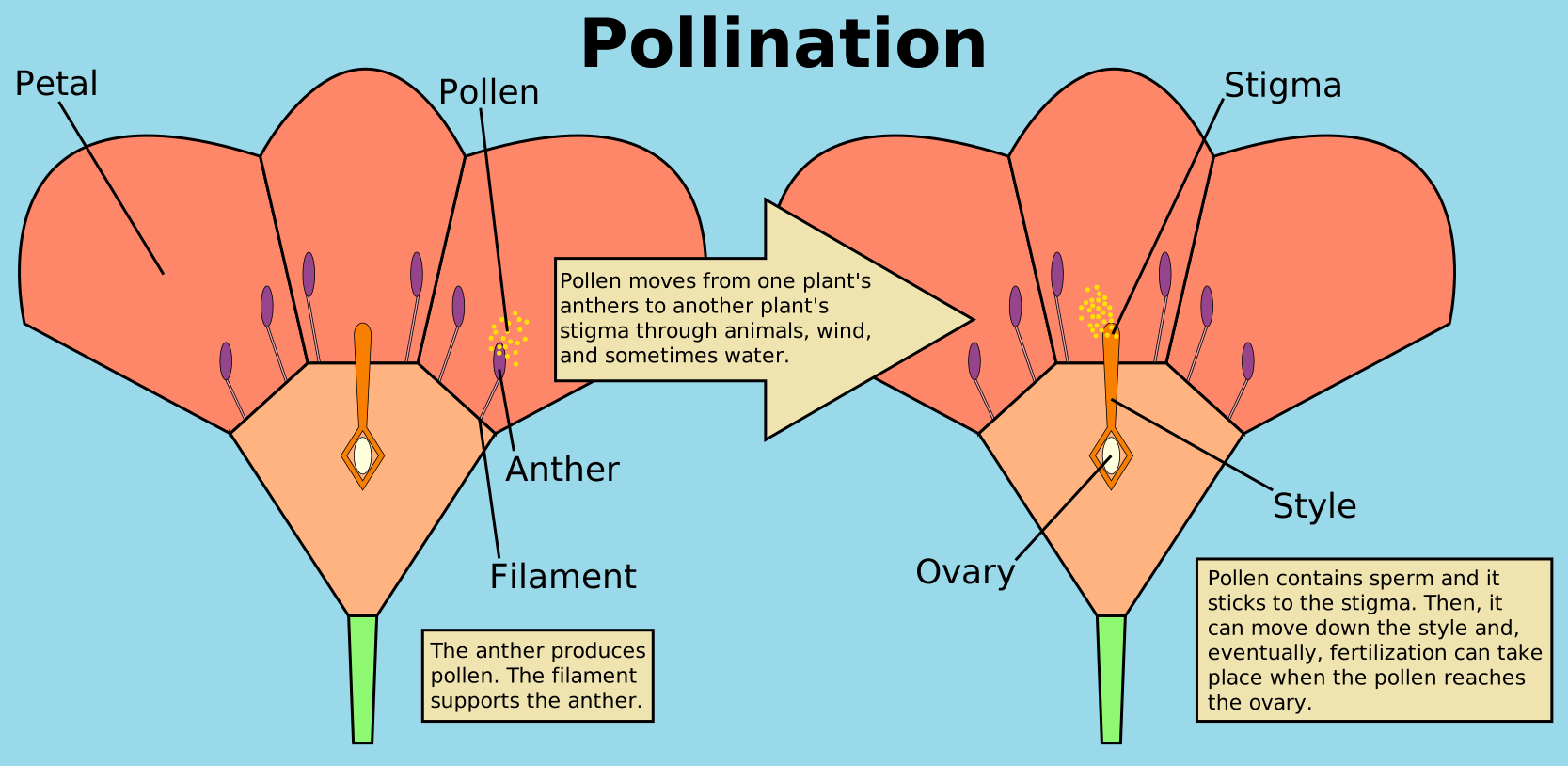
Pollination is the biological process by which pollen is transferred between plants to enable fertilization, essential to the reproduction of most flowering plants and global food production.

Quantum mechanics is the branch of physics describing the behavior of matter and energy at the smallest scales, revealing a reality governed by probability rather than strict determinism.

Radioactivity is the spontaneous emission of radiation from unstable atomic nuclei, discovered in 1896 and significantly advancing understanding of atomic structure and enabling numerous medical and energy applications.

Renewable Energy refers to energy derived from naturally replenishing sources such as sunlight, wind, and water, playing an increasingly central role in global efforts to address climate change.

Pioneering contributions to quantum electrodynamics and renowned for his exceptional skill at explaining complex physics to general audiences

Rosalind Franklin was a British chemist and X-ray crystallographer whose research produced crucial imaging evidence for the discovery of DNA's double-helix structure, though her contributions were long underrecognized.