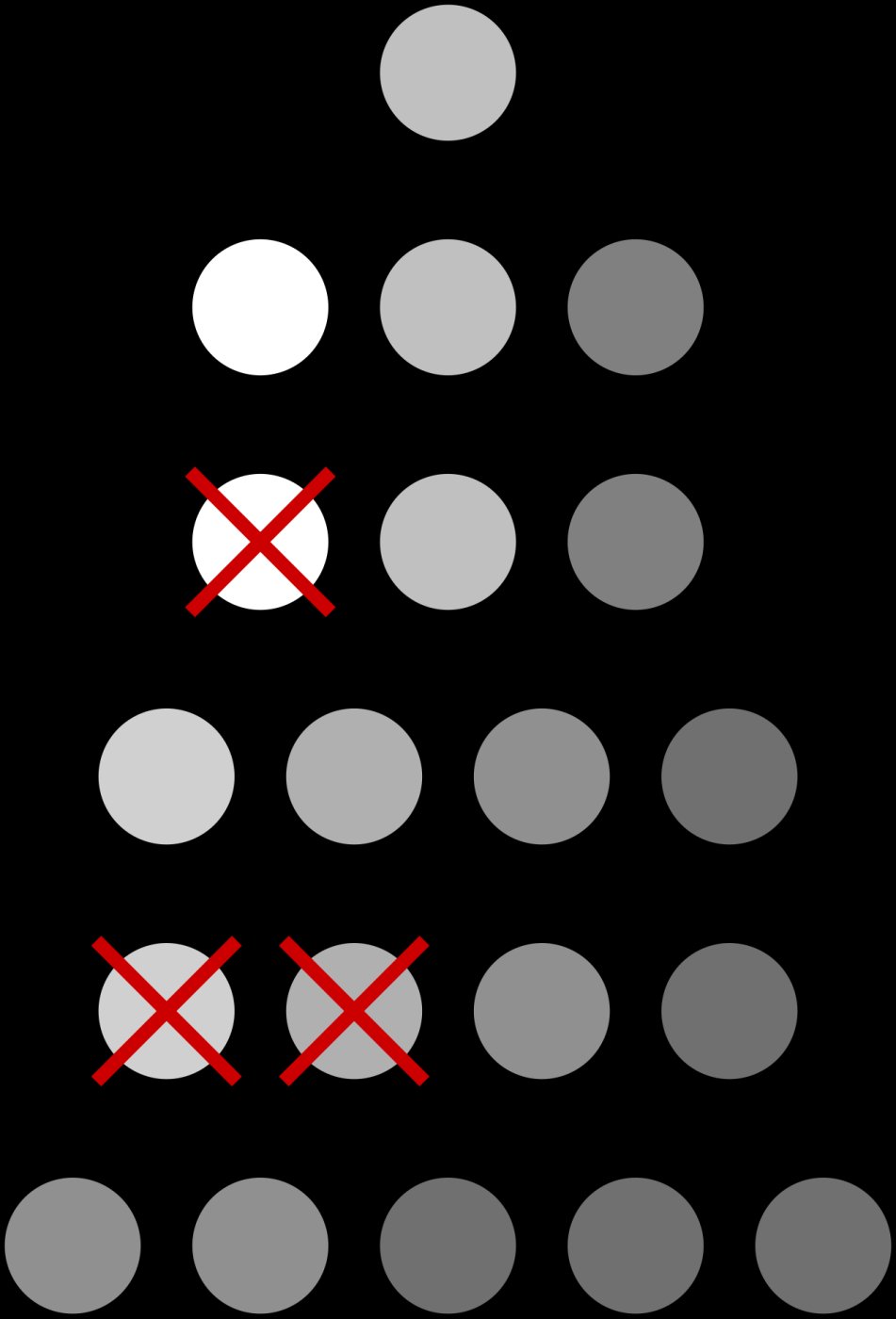
Natural Selection
Natural selection is the process by which organisms with traits better suited to their environment are more likely to survive and reproduce, forming the core mechanism driving evolution.
Providing the mechanism that explains how life's staggering diversity emerged from common ancestors, this single elegant principle remains one of the most thoroughly tested and well-supported theories in all of science.
Darwin's Core Insight
Charles Darwin described natural selection in his 1859 book On the Origin of Species, proposing that organisms with traits better suited to their environment are more likely to survive and pass those traits to offspring.
A Slow, Cumulative Process
Natural selection typically operates gradually over many generations, with small advantageous variations accumulating over time to produce significant evolutionary changes in a population.
Evidence Across Multiple Fields
Natural selection is supported by evidence from numerous scientific fields, including genetics, paleontology, and direct observation of evolving populations in real time, such as antibiotic-resistant bacteria.
The Foundation of Modern Biology
Natural selection remains the central organizing principle of modern evolutionary biology, providing the framework for understanding the diversity and interrelatedness of all life on Earth.