Nuclear Fission
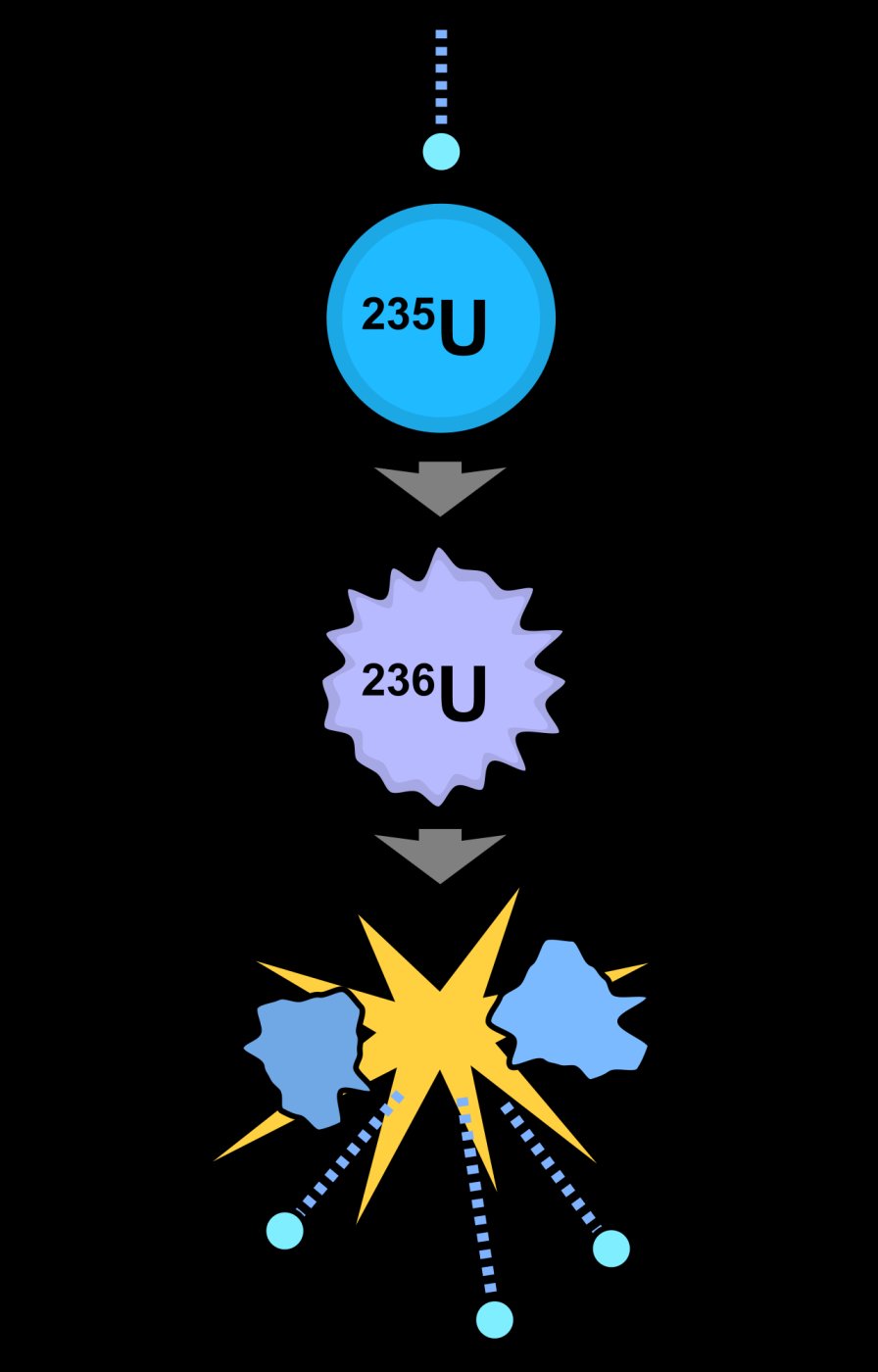
Nuclear Fission is the process by which an atomic nucleus splits into smaller parts, releasing significant energy, forming the basis of current nuclear power generation and early nuclear weapons.
Discovered just before the outbreak of World War II, this process of splitting atomic nuclei would soon power both civilian electricity grids and the most destructive weapons ever created by humankind.
Splitting the Atom
Nuclear fission occurs when an atomic nucleus, typically of a heavy element like uranium, splits into smaller nuclei, releasing substantial energy in the process.
Powering Nuclear Reactors
Controlled nuclear fission reactions form the basis of modern nuclear power plants, generating a significant portion of electricity in numerous countries without direct greenhouse gas emissions during operation.
The Basis of Early Nuclear Weapons
Uncontrolled fission reactions provided the destructive power behind the first nuclear weapons developed during the Manhattan Project in World War II.
Managing Radioactive Waste
Nuclear fission power generation produces radioactive waste requiring careful long-term storage and management, remaining a significant ongoing technical and political challenge for the nuclear power industry.