🔬 Science & Nature
Scientific concepts, discoveries, and the natural world

Saturn is the sixth planet from the Sun, renowned for its spectacular and extensive ring system composed primarily of ice particles, and the second-largest planet in the solar system.

Sea turtles are ancient marine reptiles that have existed for over 100 million years, known for their remarkable long-distance migrations and the vulnerability of several species to extinction.

Sharks are a diverse group of cartilaginous fish that have existed for over 400 million years, playing a crucial role as apex predators in ocean ecosystems worldwide.

Sleep is a naturally recurring state of reduced consciousness and activity essential for physical restoration, memory consolidation, and overall health across nearly all animal species.

Sound Waves are vibrations that travel through air or other mediums, studied extensively as a branch of physics and foundational to human communication and hearing.

Spiders are eight-legged arachnids found on every continent except Antarctica, known for producing silk and playing crucial roles in controlling insect populations worldwide.

Stem Cells are unique biological cells capable of developing into many different cell types, holding significant promise for treating a wide range of diseases and injuries.

Stephen Hawking was a British theoretical physicist known for his groundbreaking work on black holes and cosmology, and for his bestselling book A Brief History of Time.

A supernova is an extremely powerful stellar explosion occurring at the end of certain massive stars' life cycles, briefly outshining entire galaxies and dispersing heavy elements throughout space.

Symbiosis refers to close, long-term biological interactions between different species, ranging from mutually beneficial partnerships to parasitic relationships, observed extensively throughout nature.

The Big Bang Theory is the leading scientific explanation for the origin of the universe, describing its expansion from an extremely hot, dense initial state approximately 13.8 billion years ago.

The Circulatory System is the biological system responsible for transporting blood, oxygen, and nutrients throughout the body, centered on the heart as its primary pump.
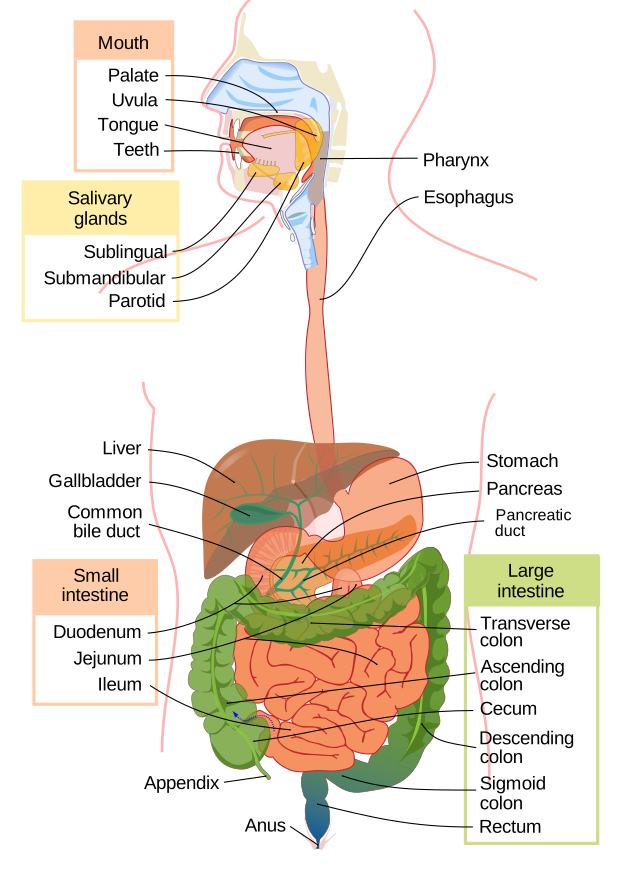
The Digestive System is the biological system responsible for breaking down food into nutrients the body can absorb and use, involving numerous organs working in coordinated sequence.

The Great Barrier Reef is the world's largest coral reef system, stretching over 1,400 miles off the coast of Queensland, Australia, and home to thousands of species of marine life.
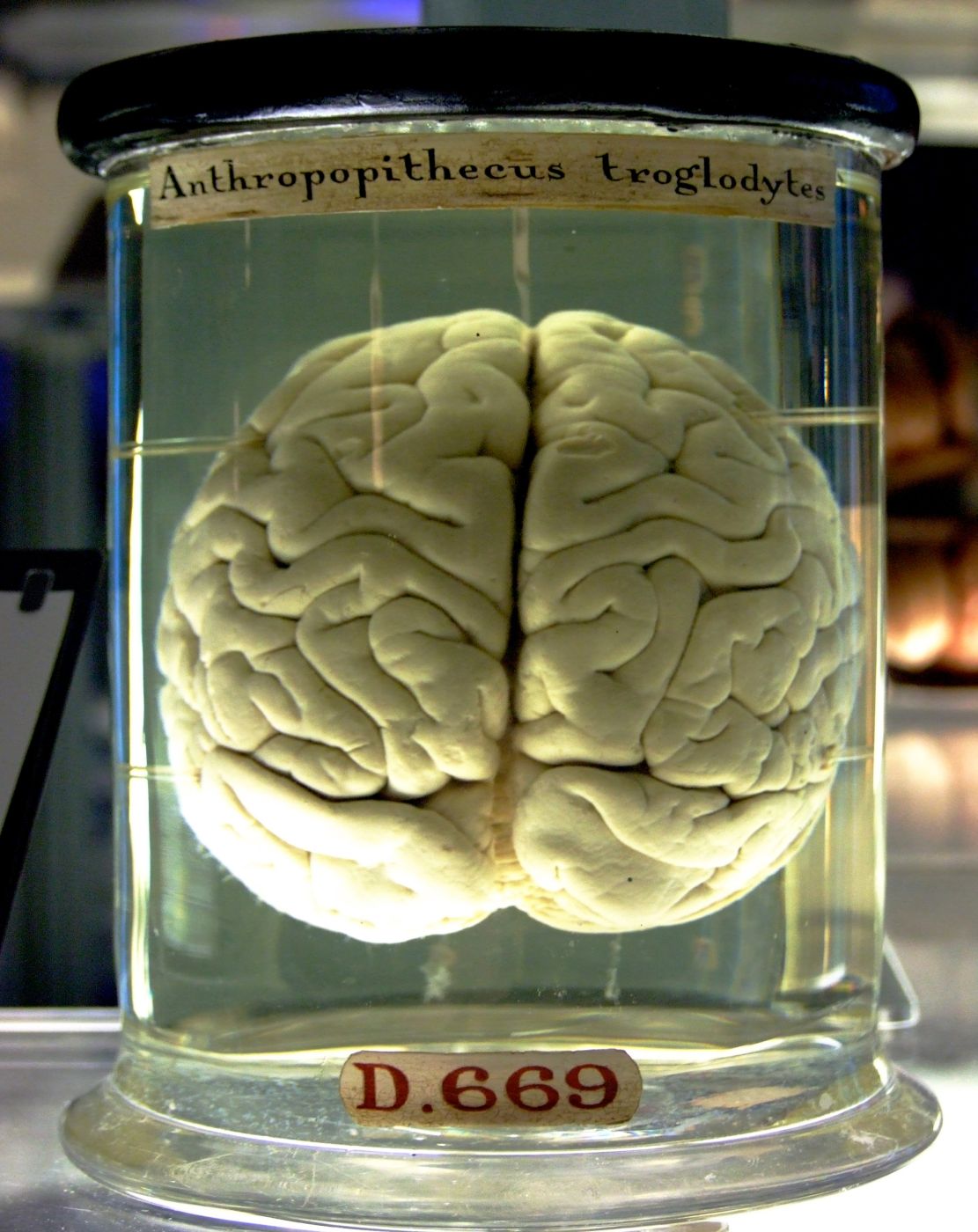
The human brain is the central organ of the nervous system, an extraordinarily complex structure responsible for thought, memory, emotion, and control of the body, containing an estimated 86 billion neurons.
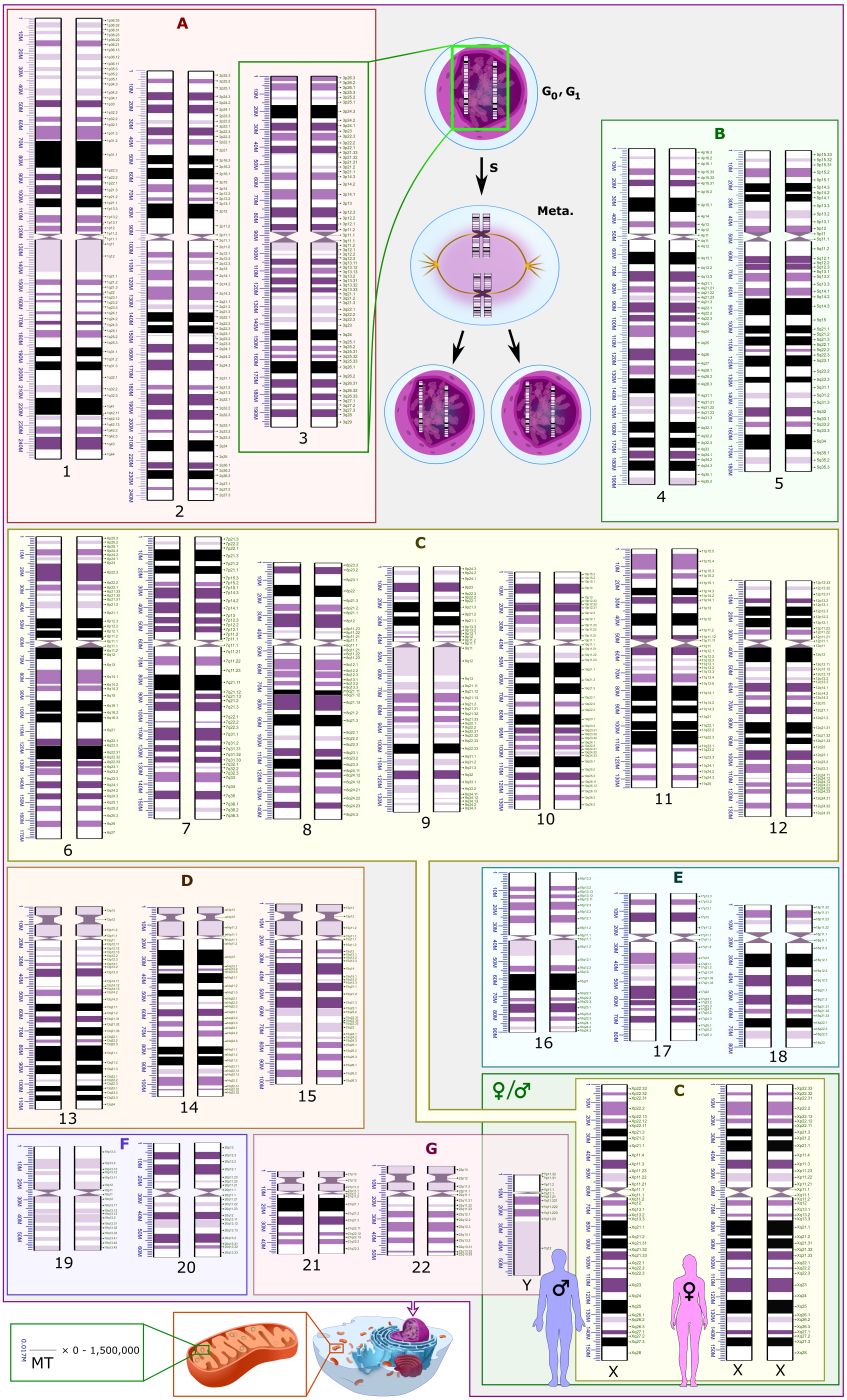
The Human Genome is the complete set of genetic instructions encoded in human DNA, fully mapped through the international Human Genome Project completed in 2003.

The Immune System is the body's complex network of cells, tissues, and organs that work together to defend against harmful pathogens and maintain overall health.

The James Webb Space Telescope is a space observatory launched in December 2021, designed to observe the universe primarily in infrared light, providing unprecedented views of distant galaxies and exoplanets.

The Milky Way is the galaxy containing Earth's solar system, a barred spiral galaxy containing an estimated 100 to 400 billion stars, of which our Sun is just one.

The Moon is Earth's only natural satellite, significantly influencing tides and Earth's stability, and the only celestial body beyond Earth that humans have physically visited.
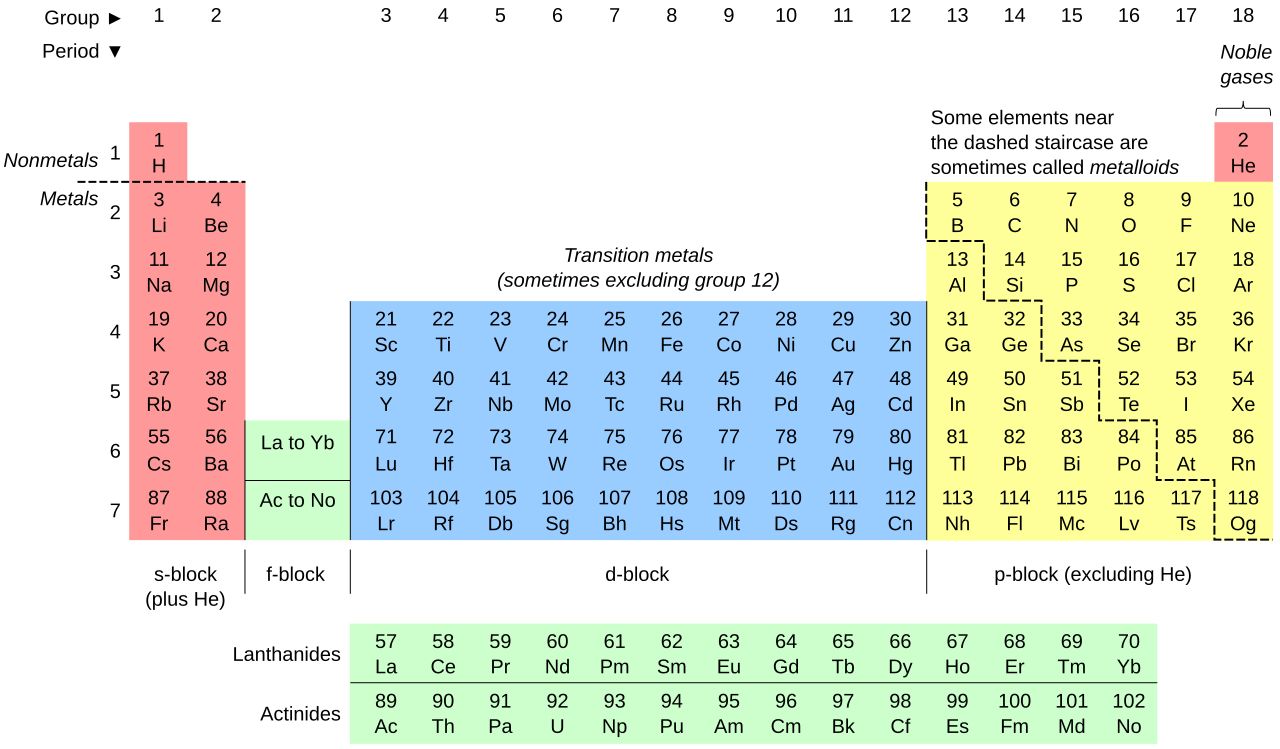
The Periodic Table is a systematic arrangement of all known chemical elements, organized by atomic structure and recurring chemical properties, forming a foundational tool of modern chemistry.
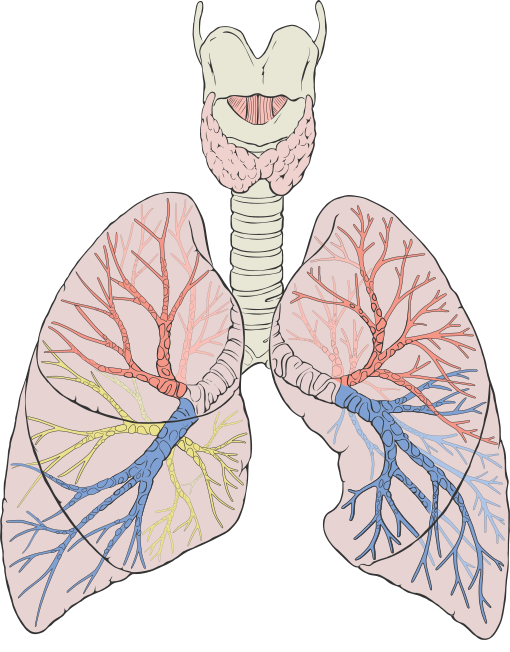
The Respiratory System is the biological system responsible for gas exchange, bringing oxygen into the body and removing carbon dioxide, centered on the lungs in most complex animals.

The Scientific Method is a systematic approach to acquiring knowledge through observation, hypothesis formation, experimentation, and analysis, forming the foundation of modern scientific inquiry.

The Solar System consists of the Sun and the celestial objects gravitationally bound to it, including eight planets, their moons, and countless asteroids and comets.