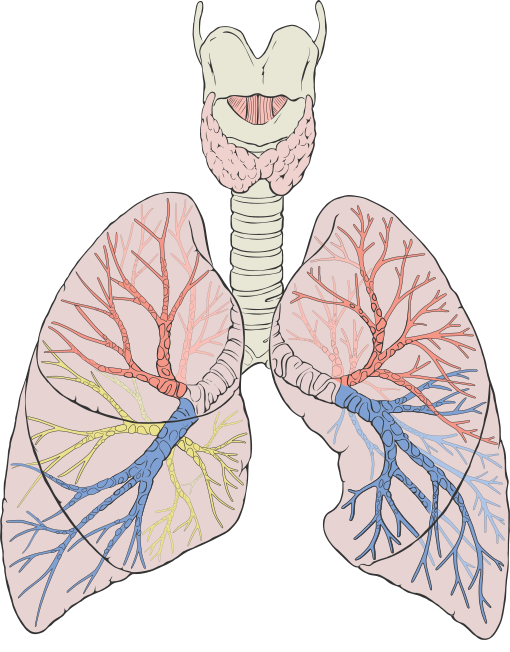
The Respiratory System
The Respiratory System is the biological system responsible for gas exchange, bringing oxygen into the body and removing carbon dioxide, centered on the lungs in most complex animals.
Performing tens of thousands of breaths every single day without conscious thought, this essential system continuously exchanges the gases required to keep every cell in the body alive.
Essential Gas Exchange
The respiratory system performs essential gas exchange, bringing oxygen into the body while removing carbon dioxide waste produced by cellular metabolism.
The Lungs as the Primary Organ
The lungs serve as the primary respiratory organ in most complex animals, containing millions of tiny air sacs called alveoli where gas exchange actually occurs.
Largely Automatic Function
Breathing occurs largely automatically, controlled by the brainstem, allowing the respiratory system to function continuously without requiring conscious effort or attention.
Vulnerable to Significant Disease
The respiratory system remains vulnerable to numerous significant diseases, including infections and chronic conditions that can significantly impair breathing function and overall health.