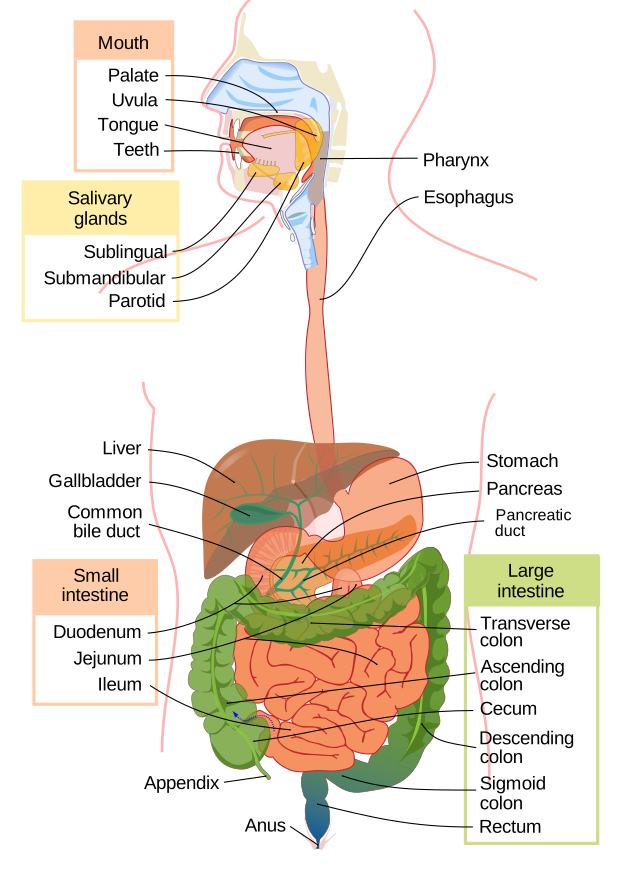
The Digestive System
The Digestive System is the biological system responsible for breaking down food into nutrients the body can absorb and use, involving numerous organs working in coordinated sequence.
Breaking down complex meals into the simple molecules the body can actually use, this coordinated system of organs performs one of the most fundamental processes required to sustain life.
Breaking Down Food into Nutrients
The digestive system breaks down consumed food into simple nutrients the body can absorb and use for energy, growth, and cellular repair.
A Coordinated Series of Organs
Digestion involves a coordinated series of organs, including the stomach, small intestine, and large intestine, each performing specific functions in the digestive process.
Enzymatic Breakdown
Digestive enzymes play a crucial role breaking down complex food molecules, including proteins, fats, and carbohydrates, into simpler absorbable components.
The Gut Microbiome's Significant Role
The digestive system hosts a significant population of beneficial bacteria, known as the gut microbiome, increasingly recognized as important to overall health.