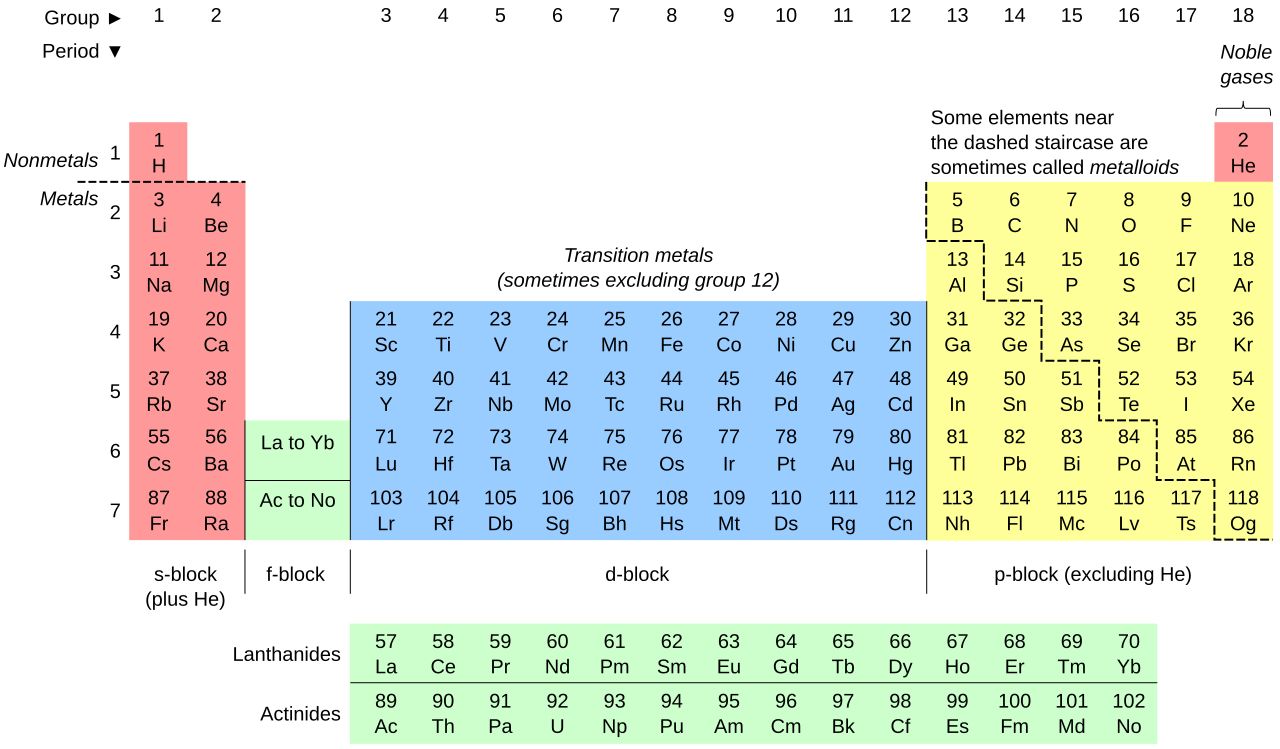
The Periodic Table
The Periodic Table is a systematic arrangement of all known chemical elements, organized by atomic structure and recurring chemical properties, forming a foundational tool of modern chemistry.
Organizing every known chemical element into a single elegant grid based on shared properties, this classification system has remained remarkably durable even as scientific understanding of atomic structure has evolved dramatically since its creation.
Mendeleev's Original Arrangement
Russian chemist Dmitri Mendeleev created the periodic table in 1869, arranging known elements by atomic weight and recurring chemical properties into a systematic, predictive framework.
Organized by Atomic Structure
The modern periodic table organizes elements by atomic number, reflecting the number of protons in an atom's nucleus, with elements in the same column sharing similar chemical properties.
Continually Expanding
The periodic table has continued expanding since Mendeleev's original version, with scientists synthesizing new, highly unstable superheavy elements in laboratory settings in recent decades.
A Universal Scientific Tool
The periodic table remains one of the most recognizable and universally used tools in chemistry education and research, providing a comprehensive framework for understanding chemical behavior.