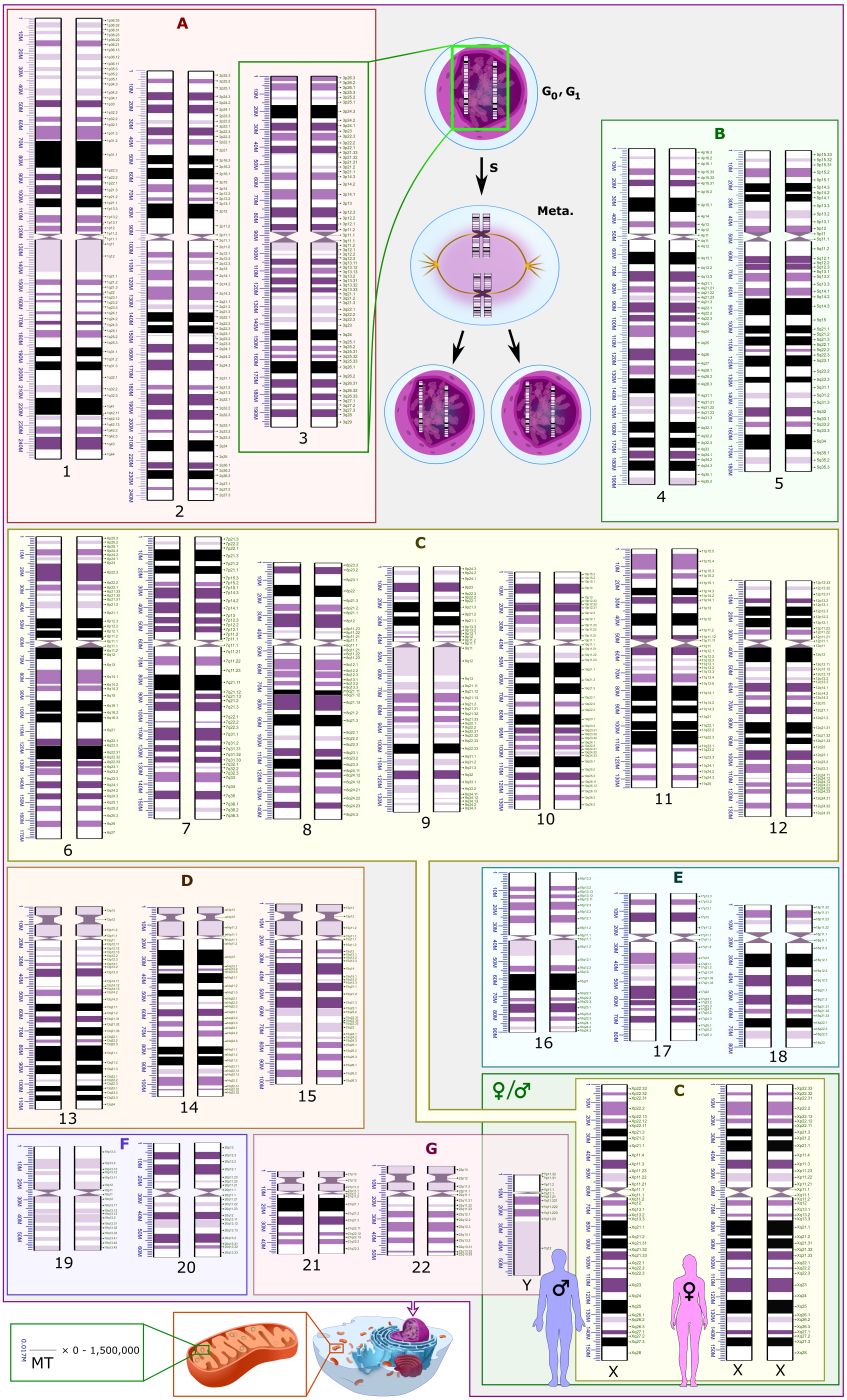
The Human Genome
The Human Genome is the complete set of genetic instructions encoded in human DNA, fully mapped through the international Human Genome Project completed in 2003.
Containing roughly the same number of genes as a much simpler roundworm, this complete genetic blueprint's mapping revealed that human complexity arises less from gene quantity than from how those genes interact.
The Human Genome Project
The Human Genome Project, an international scientific collaboration launched in 1990, successfully sequenced the complete human genome by 2003, a landmark achievement in biological science.
A Surprisingly Modest Gene Count
The completed genome revealed humans have approximately 20,000 genes, a surprisingly modest number similar to much simpler organisms, suggesting human complexity arises significantly from gene interaction and regulation.
Advancing Personalized Medicine
Understanding the human genome has enabled significant advances in personalized medicine, allowing doctors to better understand individual genetic disease risks and tailor treatments accordingly.
Ongoing Ethical Considerations
Genome sequencing raises significant ongoing ethical questions regarding genetic privacy, potential discrimination based on genetic information, and the appropriate use of increasingly detailed genetic data.