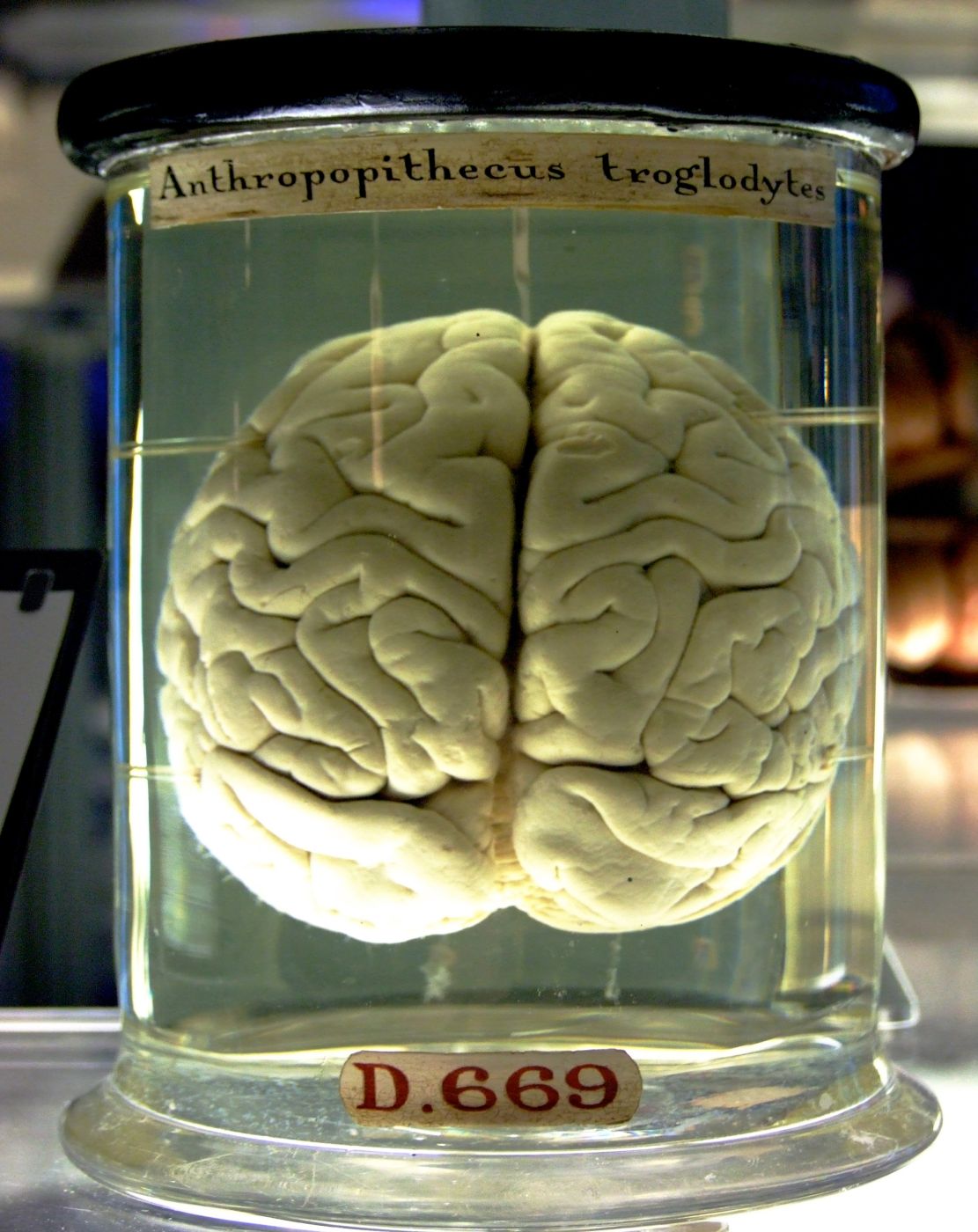
The Human Brain
The human brain is the central organ of the nervous system, an extraordinarily complex structure responsible for thought, memory, emotion, and control of the body, containing an estimated 86 billion neurons.
Roughly 86 billion neurons, wired together through trillions of connections, somehow produce everything from a simple reflex to the experience of self-awareness itself.
Three Major Regions
The brain is divided into several major regions, including the cerebrum, responsible for higher-level thinking, sensory processing, and voluntary movement; the cerebellum, which coordinates balance and fine motor movement; and the brainstem, which controls essential involuntary functions like breathing and heart rate.
An Immense Network of Connections
The brain's 86 billion neurons are connected by trillions of synapses, forming an immensely complex network that enables everything from basic reflexes to abstract reasoning, creativity, and self-awareness.
Seeing the Brain in Action
Modern neuroscience has been transformed by advanced imaging technologies, particularly MRI and fMRI scans, which allow researchers to observe brain activity in real time, dramatically expanding scientific understanding of how different brain regions contribute to specific behaviors and cognitive functions.
Remarkable Plasticity
Research has revealed that the brain possesses significant neuroplasticity, an ability to reorganize itself and form new neural connections throughout life, particularly important for recovery following brain injury and for learning new skills at any age.
Mysteries That Remain
Despite enormous scientific progress, much about the brain remains poorly understood, including the precise mechanisms underlying consciousness, the biological basis of memory formation, and the complex origins of neurological and psychiatric conditions.