Coral Reefs
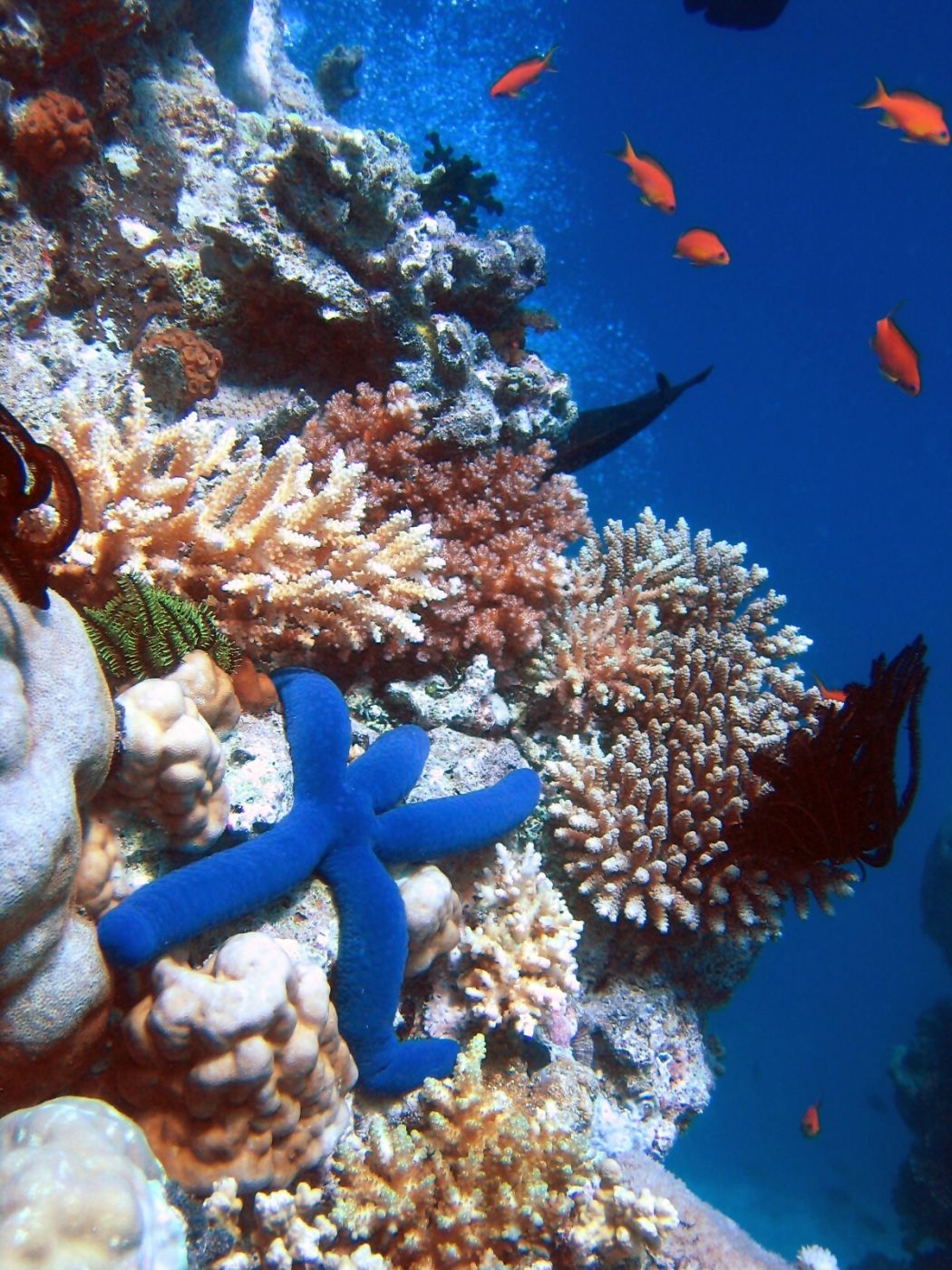
Coral reefs are diverse underwater ecosystems built by colonies of tiny marine organisms, supporting an estimated quarter of all marine species despite covering less than one percent of the ocean floor.
Built painstakingly over thousands of years by colonies of tiny living organisms, these underwater structures support an outsized share of all marine life relative to the tiny fraction of ocean floor they actually occupy.
Built by Tiny Living Organisms
Coral reefs are formed by colonies of small marine animals called coral polyps, which secrete calcium carbonate skeletons that gradually accumulate into massive reef structures over centuries.
Extraordinary Biodiversity
Despite covering less than one percent of the ocean floor, coral reefs support an estimated 25 percent of all marine species, making them among the most biodiverse ecosystems on Earth.
Vulnerable to Warming Waters
Rising ocean temperatures cause coral bleaching, a stress response in which corals expel the symbiotic algae that provide their color and much of their energy, potentially leading to coral death if conditions persist.
Significant Economic and Ecological Value
Coral reefs provide significant economic value through tourism and fishing industries, while also protecting coastlines from storm damage and erosion, underscoring the importance of their conservation.