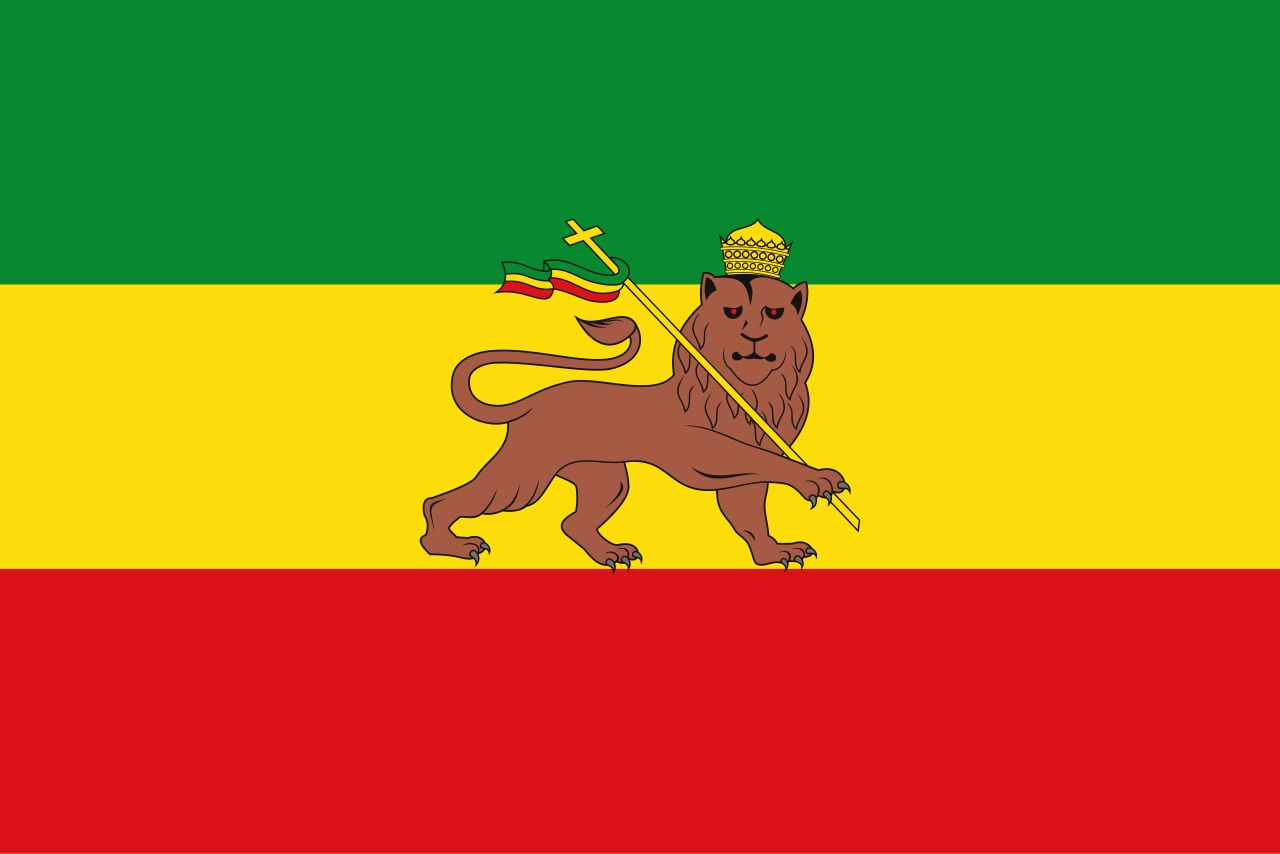
Rastafari
Rastafari is a religious and social movement that emerged in Jamaica in the 1930s, centered on African identity, spiritual redemption, and reverence for Ethiopian Emperor Haile Selassie I.
A movement born among Afro-Jamaican communities in the 1930s drew global attention decades later largely through the music of a single reggae artist.
Emerging from Colonial Jamaica
The movement developed among Afro-Jamaican communities in the 1930s, drawing on Christian scripture alongside a strong Pan-African consciousness that looked toward Africa, and particularly Ethiopia, as a spiritual and ancestral homeland.
A Coronation as Prophecy Fulfilled
Many early Rastafarians regarded the coronation of Haile Selassie I as Emperor of Ethiopia in 1930 as a fulfillment of biblical prophecy, and reverence for Selassie remains a central, though not universally interpreted, feature of Rastafarian belief.
Reggae's Global Voice
Rastafari became closely associated with reggae music, particularly through the enormous global popularity of musician Bob Marley, whose songs carried Rastafarian spiritual and social themes to audiences far beyond Jamaica.
Distinctive Cultural Practices
Rastafari is also recognized for distinctive cultural practices, including dreadlocks, worn partly in reference to biblical instructions and partly as a rejection of Western grooming conventions, and a natural, largely plant-based diet known as ital.
A Global Diaspora Movement
Adherents of Rastafari are found today particularly in Jamaica and across the broader African diaspora, with the movement's message of African pride and spiritual redemption continuing to resonate with communities worldwide.