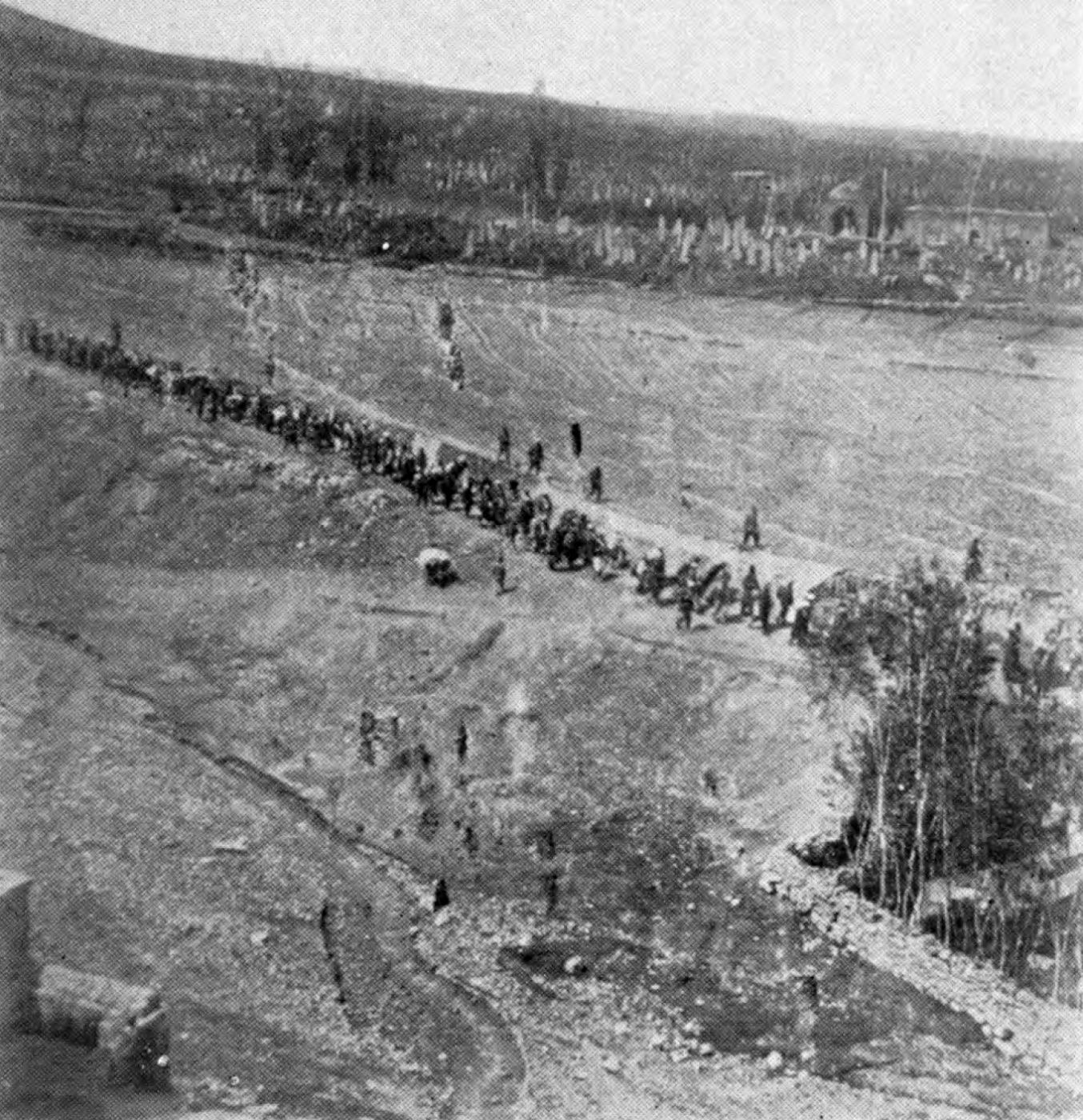
The Armenian Genocide
The Armenian Genocide was the systematic killing and deportation of Armenians by the Ottoman government during and after World War I, resulting in an estimated 1 to 1.5 million deaths.
Carried out under the cover of a world war, this systematic campaign against an ethnic minority remains one of the most significant and, in some countries, still-contested atrocities of the early 20th century.
Systematic Deportation and Killing
Beginning in 1915, the Ottoman government carried out mass deportations and killings of its Armenian population, framed as a wartime security measure but targeting Armenian civilians broadly.
Death Marches and Massacres
Armenians were subjected to forced death marches into the Syrian desert with little food or water, alongside direct massacres, resulting in an estimated 1 to 1.5 million deaths.
International Recognition and Denial
Many countries and historians formally recognize the events as genocide, though the Turkish government has historically disputed this characterization, making it a continuing point of international diplomatic tension.
A Defining Case in Genocide Studies
The Armenian Genocide is widely studied as one of the defining cases in the modern understanding and legal definition of genocide as a distinct category of atrocity.