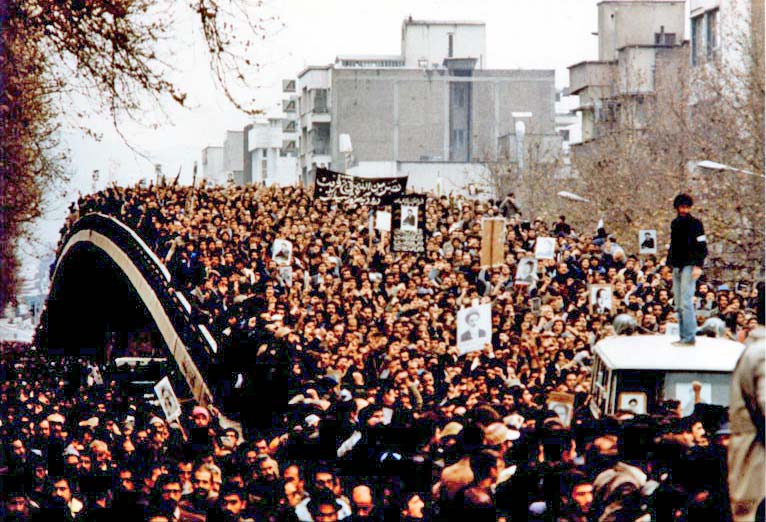
The Iranian Revolution
The Iranian Revolution was a 1979 uprising that overthrew Iran's monarchy and established an Islamic Republic, fundamentally reshaping the country's political and religious identity.
Toppling a monarchy that had ruled with extensive Western backing for decades, this revolution replaced it with an entirely new form of government that would reshape Iran's relationship with the world for the following half-century.
Discontent with the Shah
The revolution grew from widespread public discontent with Shah Mohammad Reza Pahlavi's autocratic rule, his close ties to Western powers, and perceived corruption and inequality under his government.
Khomeini's Return and Leadership
Exiled religious leader Ayatollah Ruhollah Khomeini returned to Iran amid the revolution, quickly emerging as its dominant leader and architect of the new government that would follow.
Establishing an Islamic Republic
The revolution culminated in the establishment of an Islamic Republic in 1979, fundamentally restructuring Iran's government around Islamic religious governance under a Supreme Leader.
Reshaping Middle East Geopolitics
The revolution dramatically altered Iran's relationship with the United States and the broader Middle East, including the subsequent Iran hostage crisis, with effects on regional geopolitics that continue today.