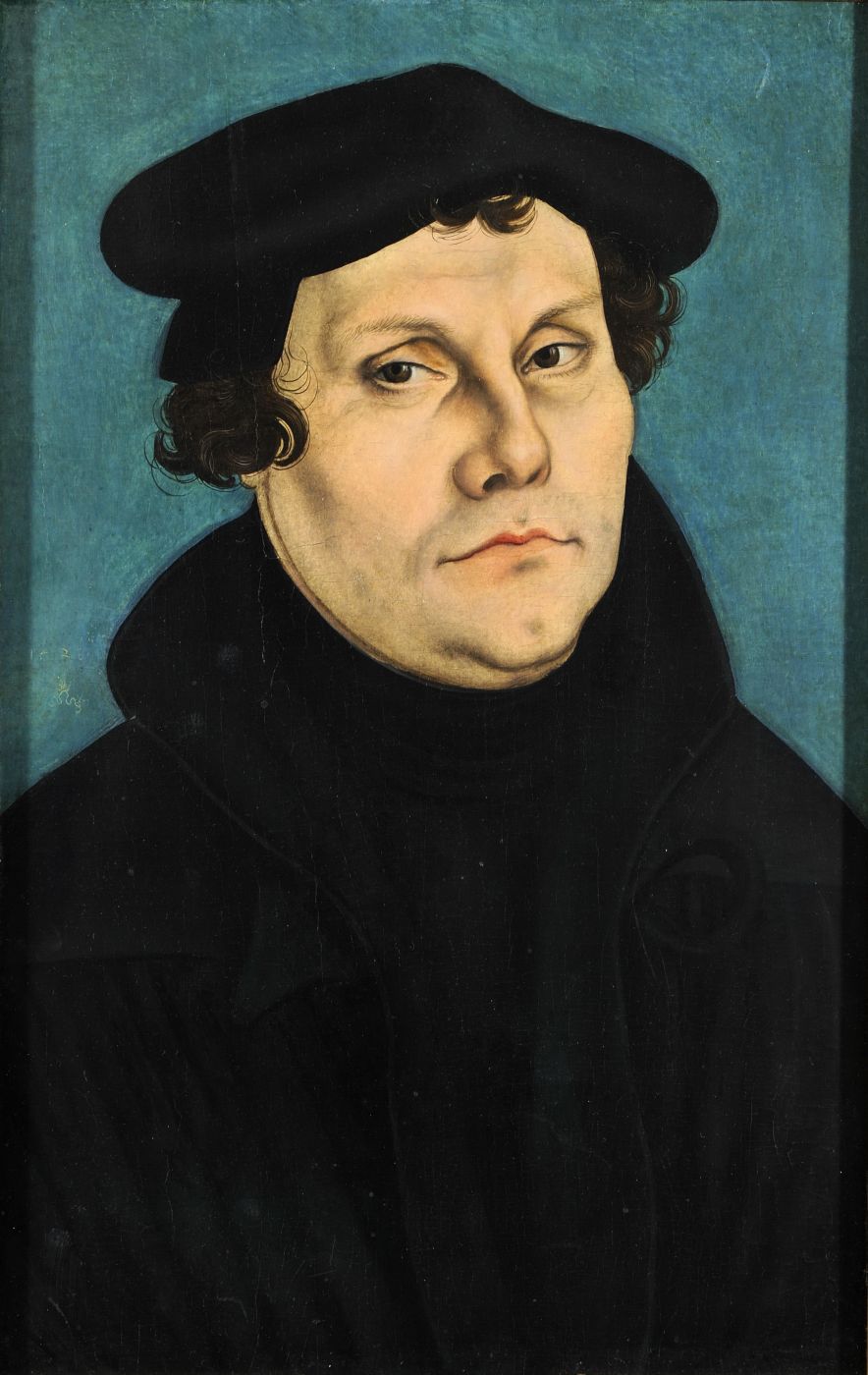
The Reformation
The Reformation was a 16th-century religious movement that permanently split Western Christianity, giving rise to Protestant denominations and reshaping European politics and society.
What began as one theologian's scholarly objections to Church practices spiraled, aided by a relatively new printing technology, into a continent-wide religious and political upheaval that permanently divided Western Christianity.
Luther's Challenge to Rome
The Reformation is traditionally dated to 1517, when Martin Luther published his Ninety-Five Theses criticizing Catholic Church practices, particularly the sale of indulgences.
Spreading Rapidly Through Print
Aided by the recently invented printing press, reformist ideas spread across Europe far faster than religious authorities could suppress them, reaching audiences well beyond Luther's original German context.
New Protestant Denominations
The movement gave rise to numerous new Protestant denominations, including Lutheranism, Calvinism, and Anglicanism, each developing distinct theological interpretations that diverged from Catholic doctrine.
Religious Wars and Political Upheaval
The Reformation triggered decades of religious conflict across Europe, including the devastating Thirty Years' War, as political and religious loyalties became deeply intertwined across the continent.
A Lasting Religious Divide
The Reformation permanently fractured Western Christianity's previous unity under the Catholic Church, establishing a religious diversity across Europe that persists in the region's denominational makeup today.