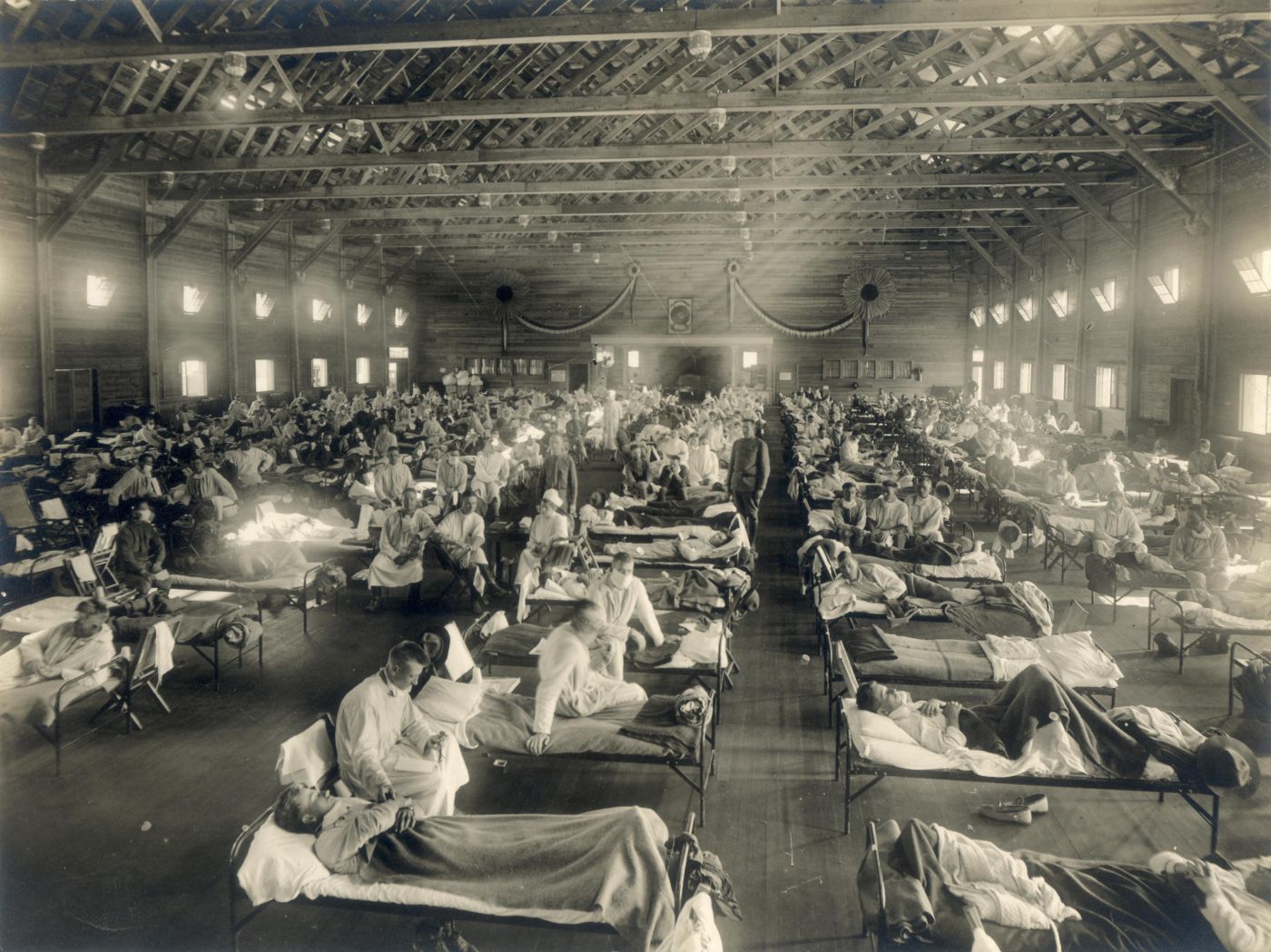
The Spanish Flu
The Spanish Flu was a devastating global influenza pandemic that struck in 1918, killing an estimated 50 million people worldwide, making it one of the deadliest pandemics in human history.
Striking a world already exhausted by the final year of World War I, this influenza pandemic ultimately killed far more people than the war itself, in one of the deadliest disease outbreaks in recorded history.
A Pandemic Amid War
The pandemic emerged in 1918, spreading rapidly in part due to the movement of troops during the final year of World War I, though its exact geographic origin remains debated among historians.
An Unusually Deadly Strain
Unlike typical influenza outbreaks, the Spanish Flu proved unusually deadly for young, healthy adults, a pattern that puzzled contemporary medical experts and contributed to its devastating impact.
A Staggering Global Death Toll
The pandemic killed an estimated 50 million people worldwide, more than the death toll of World War I itself, making it one of the deadliest disease outbreaks in recorded human history.
Lasting Public Health Lessons
The pandemic significantly influenced the later development of public health infrastructure and epidemiological understanding, lessons that would later inform responses to subsequent global pandemics.