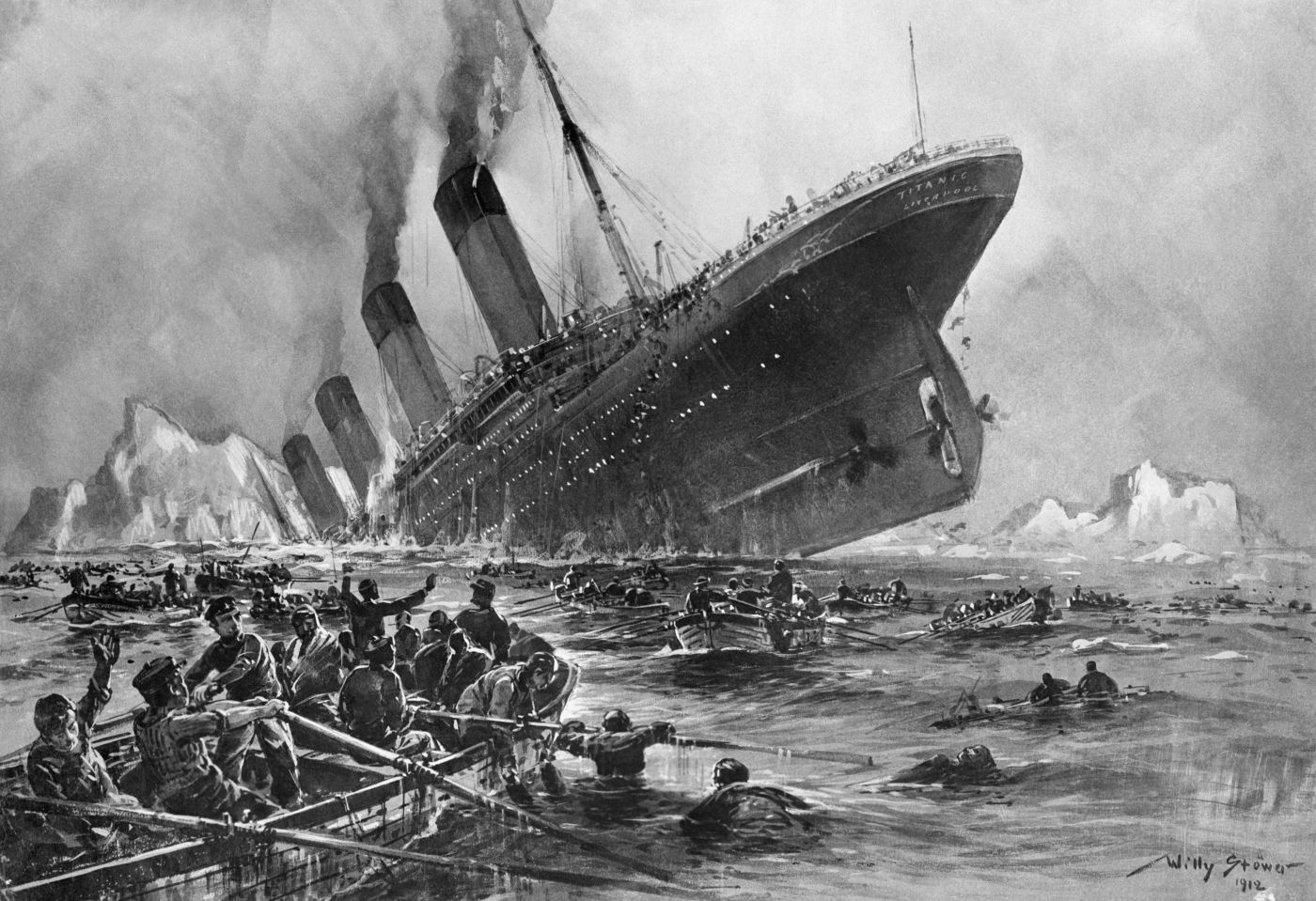
The Titanic Sinking
The sinking of the RMS Titanic in 1912 was one of history's deadliest peacetime maritime disasters, killing approximately 1,500 people and prompting sweeping international maritime safety reforms.
Billed as practically unsinkable, this luxury ocean liner struck an iceberg on its very first voyage, and the resulting tragedy exposed fatal gaps in maritime safety standards that would take a disaster of this scale to finally correct.
An "Unsinkable" Ship
The RMS Titanic was marketed as one of the safest and most luxurious ocean liners ever built, making the disaster on its very first transatlantic voyage all the more shocking to the public.
Striking an Iceberg
The ship struck an iceberg late at night on April 14, 1912, sustaining damage that caused it to sink within just a few hours, catching passengers and crew largely unprepared.
Insufficient Lifeboats
The ship carried lifeboats for only about half its passengers and crew, a critical safety failure that significantly contributed to the disaster's enormous death toll.
Approximately 1,500 Deaths
An estimated 1,500 people died in the disaster, making it one of the deadliest peacetime maritime disasters in history and a subject of enduring public fascination.
Sweeping Safety Reforms
The disaster prompted major international maritime safety reforms, including new requirements for sufficient lifeboats and the establishment of the International Ice Patrol to monitor iceberg danger.