The Fall of the Soviet Union
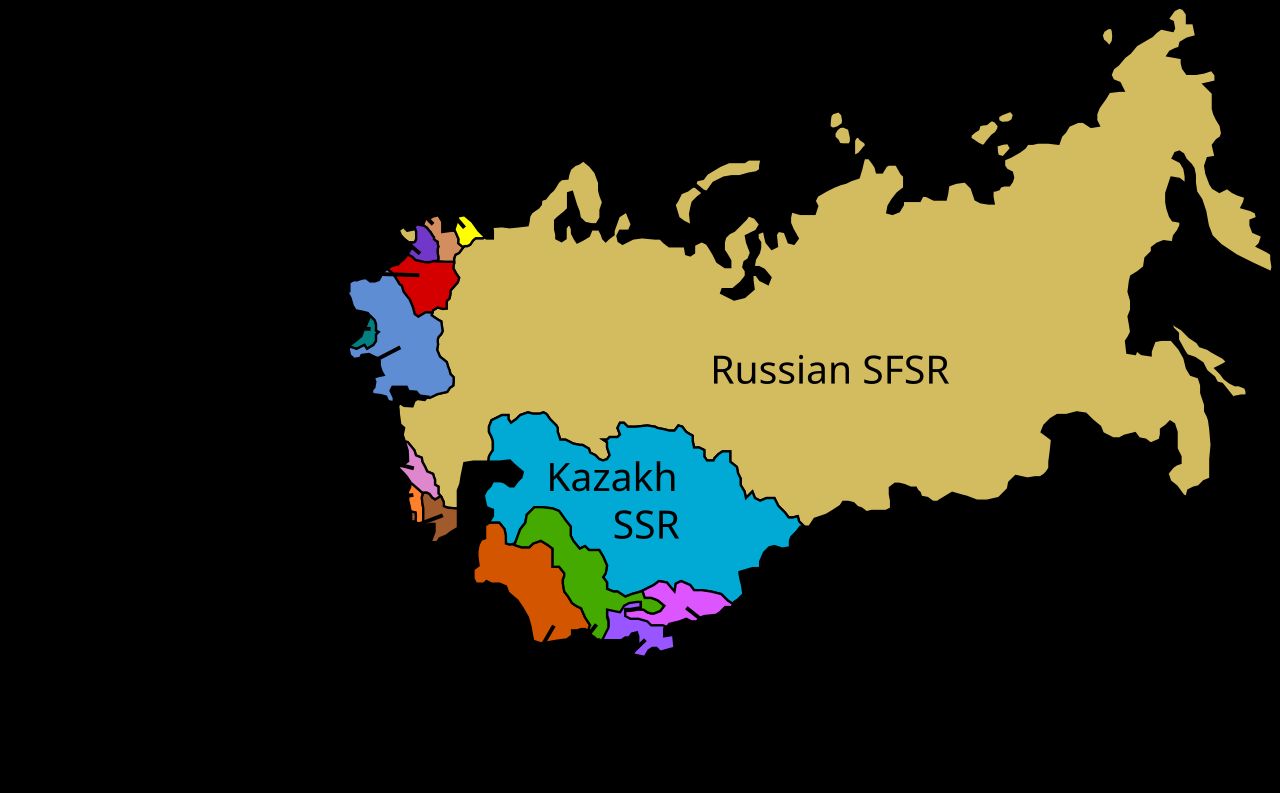
The Fall of the Soviet Union in 1991 marked the end of the Cold War and the dissolution of one of history's largest empires into 15 independent nations.
What had seemed like a permanent fixture of global geopolitics for nearly seven decades collapsed within the span of just a few remarkable years, reshaping the world's political map almost overnight.
Gorbachev's Reforms Unleash Change
Soviet leader Mikhail Gorbachev's reform policies of glasnost and perestroika, intended to modernize the Soviet system, instead accelerated nationalist movements across the union's constituent republics.
Eastern Europe Breaks Free
Communist governments across Eastern Europe collapsed in rapid succession throughout 1989, dramatically demonstrated by berlin-wall" class="wiki-link" data-preview-slug="the-fall-of-the-berlin-wall">the fall of the Berlin Wall, further weakening Soviet authority.
A Failed Coup Accelerates Collapse
A failed hardline coup attempt against Gorbachev in August 1991 further undermined central Soviet authority, accelerating the independence movements of individual Soviet republics.
Formal Dissolution
The Soviet Union formally dissolved on December 26, 1991, splitting into 15 independent nations, including Russia, and marking the definitive end of the Cold War.