🎭 Culture & Society
Traditions, customs, languages, and social topics
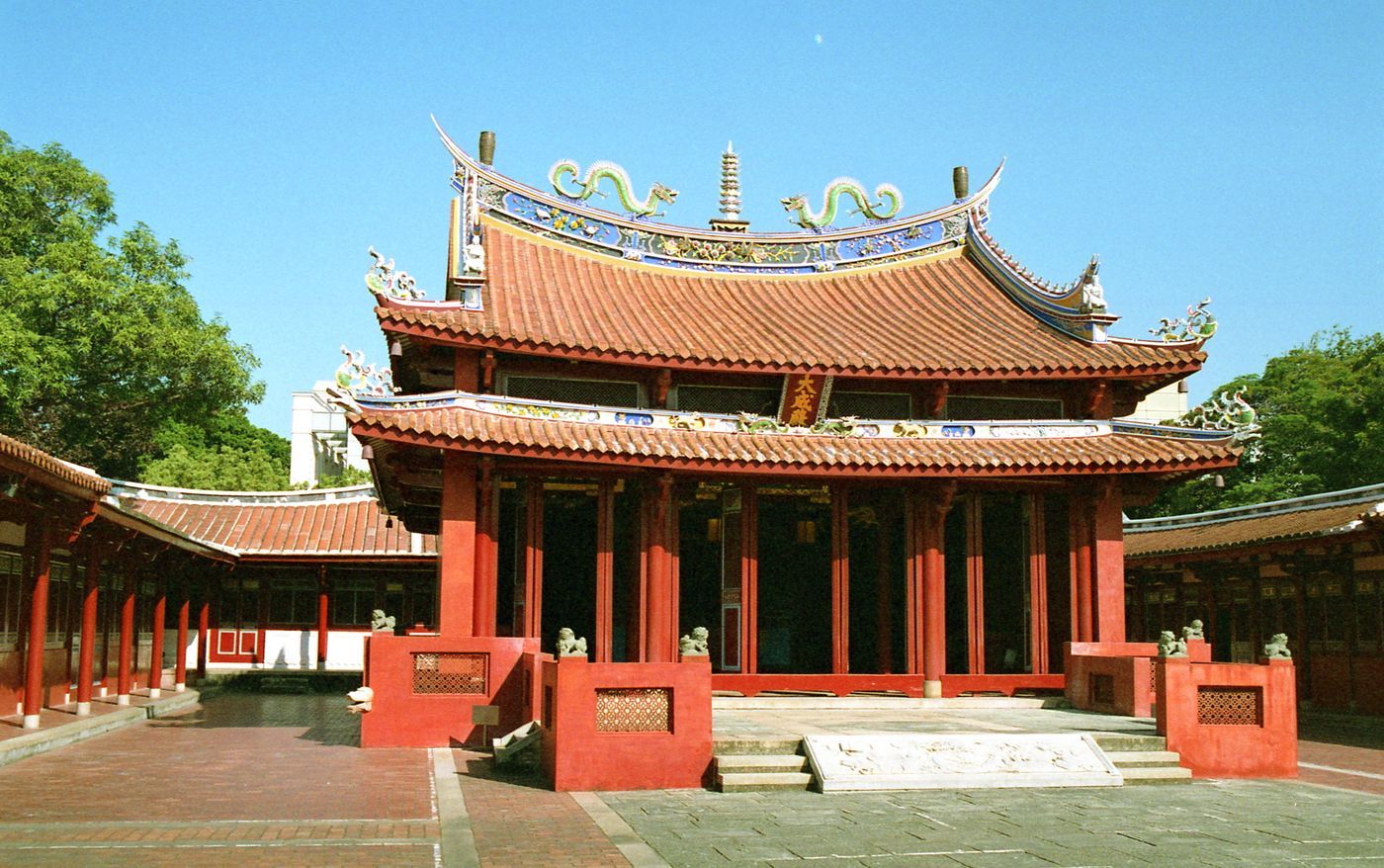
Confucianism is a system of philosophical and ethical teachings developed from the ideas of the Chinese philosopher Confucius, emphasizing morality, social harmony, and respect for family and tradition.

Consumerism is a social and economic ideology encouraging the acquisition of goods and services, developing significantly alongside 20th-century industrial capitalism and mass advertising.

Cosplay is the practice of dressing as fictional characters from media including anime, comics, and video games, developing significantly alongside fan convention culture worldwide.
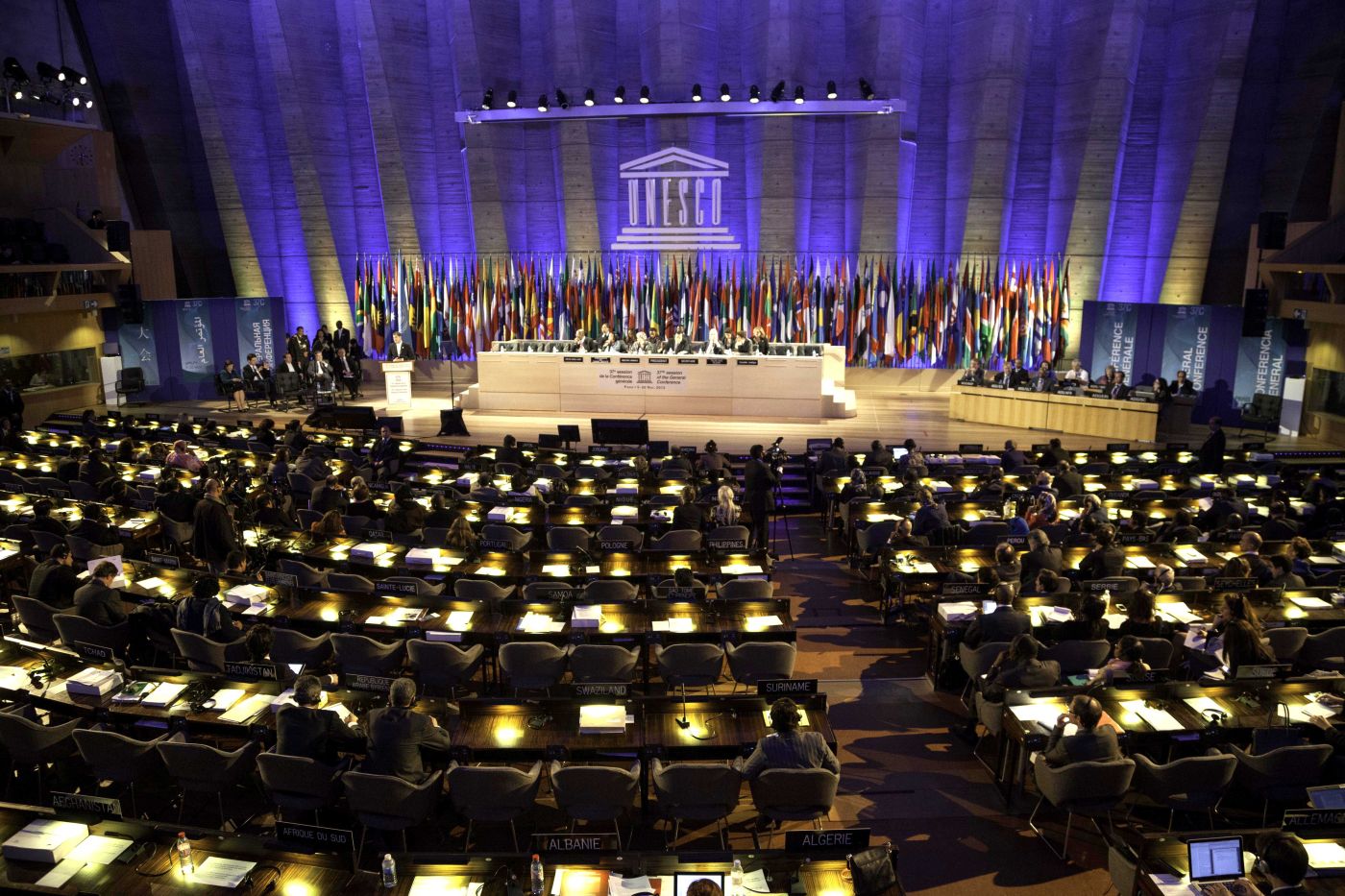
Cultural Appropriation refers to the adoption of elements from one culture by members of a different culture, a concept that has generated significant public discourse and debate in the 21st century.
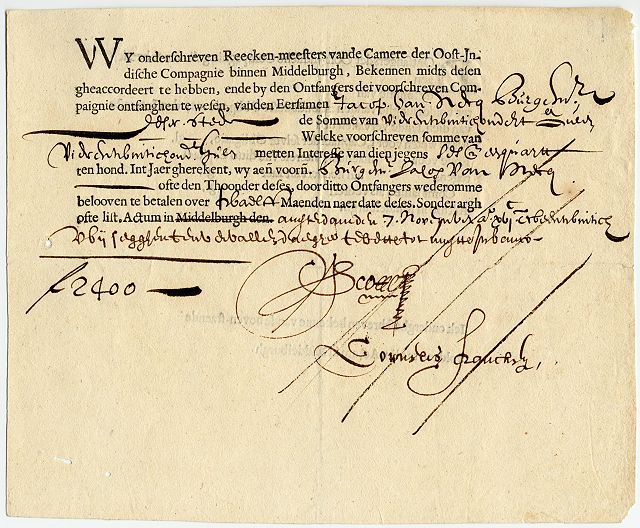
Currency refers to a system of money used as a medium of exchange, evolving from early bartering and commodity-based systems to the complex digital and paper currencies used worldwide today.

Day of the Dead is a Mexican holiday honoring deceased loved ones, blending indigenous Aztec traditions with Catholic influence, celebrated with colorful altars, marigolds, and festive remembrance rather than mourning.
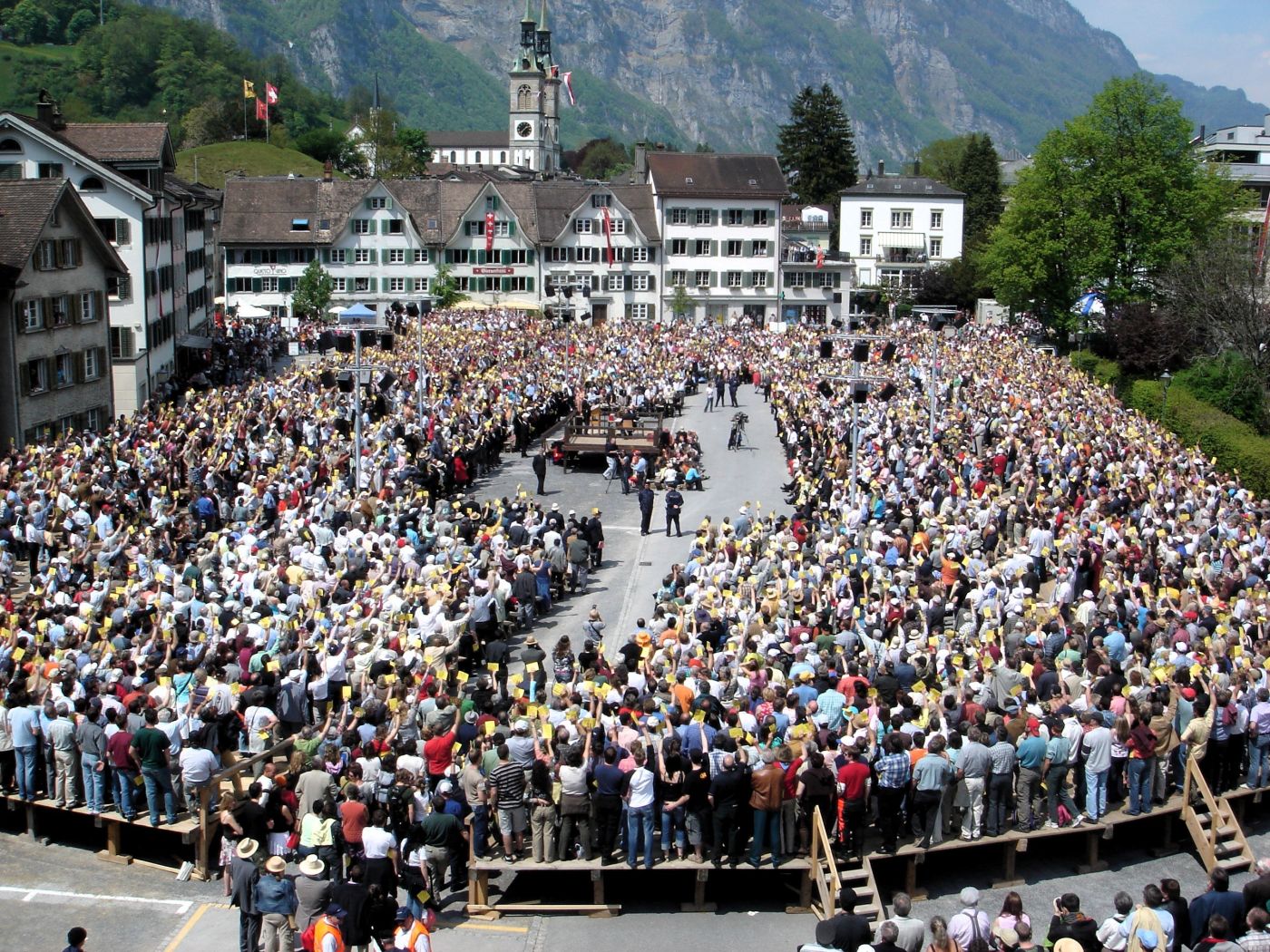
Democracy is a system of government in which political power derives from the people, typically exercised through elected representatives, and remains the most widely practiced form of government in the modern world.

Divorce is the legal dissolution of marriage, practiced across numerous legal systems throughout history with significantly varying social and legal approaches.

Diwali, also known as the Festival of Lights, is one of the most significant festivals in Hinduism, celebrated by hundreds of millions of people worldwide to symbolize the victory of light over darkness and good over evil.

Doctors Without Borders is an international humanitarian medical organization founded in France in 1971, providing emergency medical assistance in conflict zones and areas affected by disease outbreaks worldwide.

Earth Day is an annual global observance dedicated to environmental protection, first celebrated in 1970 and now recognized in nearly every country worldwide.

Easter is the most significant holiday in the Christian calendar, commemorating the resurrection of Jesus Christ and celebrated with distinct traditions across different cultures worldwide.

Eid al-Fitr is a significant Islamic holiday marking the end of the fasting month of Ramadan, celebrated by Muslims worldwide with communal prayer, feasting, and charitable giving.

Fashion Week refers to major fashion industry events held in cities including New York, Paris, Milan, and London, where designers showcase upcoming clothing collections to buyers, media, and the public.

Feminism is a range of social and political movements advocating for the political, economic, and social equality of women, achieving significant milestones since its emergence in the 19th century.

Folklore encompasses traditional stories, customs, and beliefs passed down through generations, practiced across virtually every human culture throughout history.

Freedom of Speech is a fundamental civil liberty protecting the right to express opinions and ideas without government censorship, forming a cornerstone of democratic societies worldwide.

Freedom of the Press is a fundamental principle protecting media independence from government censorship, developed significantly through Enlightenment-era political philosophy.

Freemasonry is a fraternal organization with origins tracing to early 18th-century England, known for its distinctive rituals, symbolism, and historical association with numerous prominent historical figures.

Funeral Traditions are cultural practices and rituals surrounding death and mourning, practiced across virtually every human culture throughout history to honor the deceased.

Garum was a pungent fermented fish sauce used as a primary condiment and flavor enhancer throughout the Roman Empire. Produced in large coastal factories, it was traded across the Mediterranean and formed a cornerstone of Roman cuisine and commerce.

Gentrification is an urban phenomenon in which wealthier residents move into previously lower-income neighborhoods, often resulting in rising property values and displacement of long-term residents.
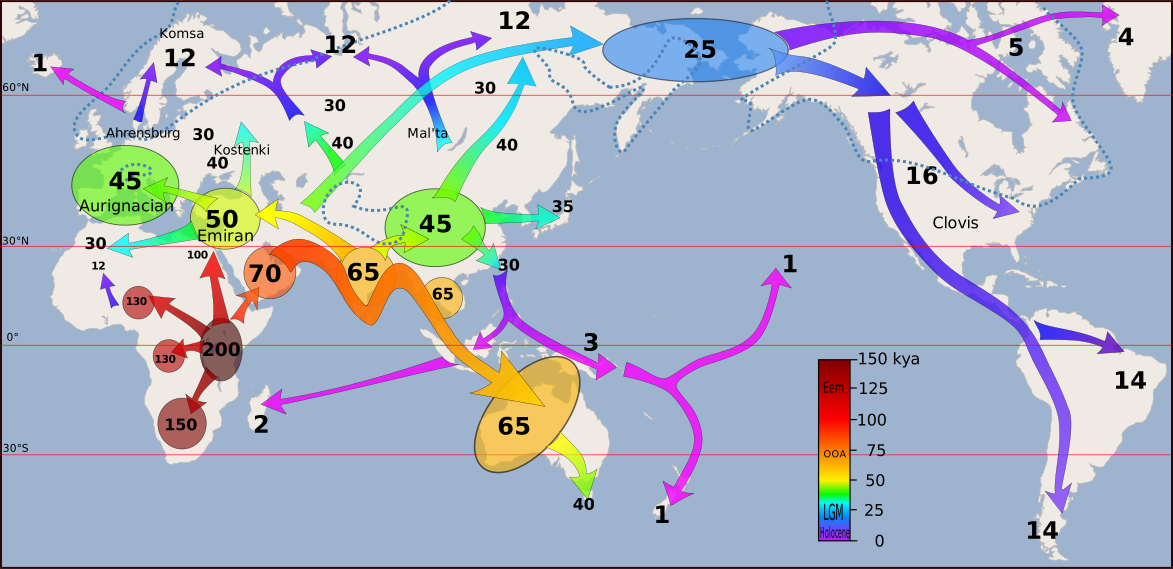
Globalization refers to the increasing interconnection of world economies, cultures, and populations, accelerating significantly in the late 20th century through advances in technology and trade.

Graffiti Art refers to images or text created in public spaces, typically without formal permission, evolving from urban vandalism into a widely recognized and sometimes highly valued art form.